Stop buying ingredients blindly. Start formulating with clarity.
One of the most common mistakes beginners make in cosmetic formulation is buying ingredients without fully understanding what they actually do.
I’ve seen this happen countless times and honestly, I’ve been there myself in my early days. We see a cosmetic ingredients trending, read big claims online, and assume it will magically transform our product. But formulation doesn’t work that way.
Not all oils moisturize the same way.
Not all butters feel rich or luxurious on skin.
And not all actives work the way Instagram promises.
Once you understand ingredient logic, formulation becomes intentional instead of confusing. You stop guessing, stop wasting money, and start creating products that actually perform.
What Are Cosmetic Raw Materials?
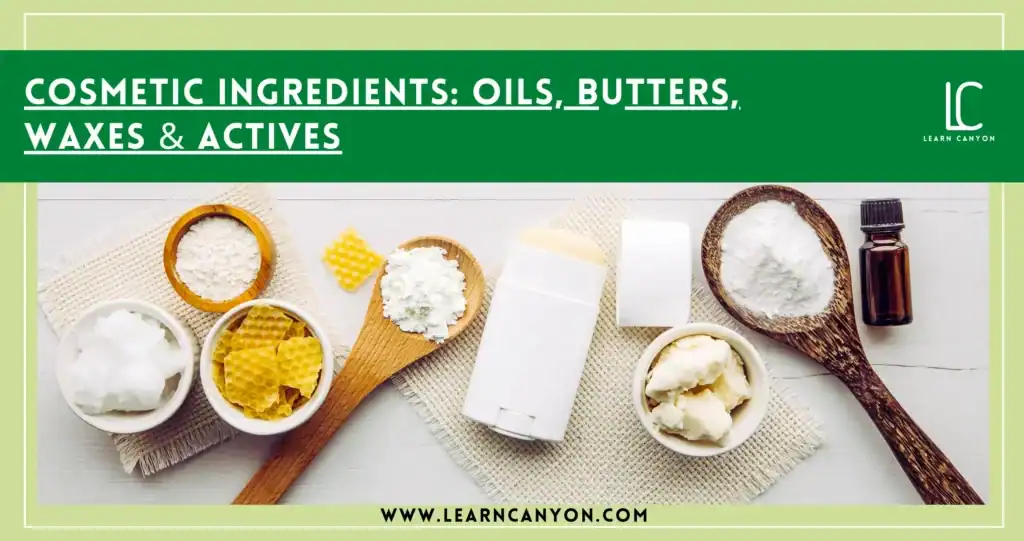
Cosmetic raw materials are the foundational building blocks of any formulation. Every product whether it’s a cream, serum, balm, or butter is created by combining raw materials that each serve a specific purpose.
They broadly fall into two categories:
- Base ingredients: These form the body of the product and decide texture, skin feel, spreadability, and absorption. Oils, butters, waters, and waxes fall into this category.
- Functional ingredients: These support performance and stability. Emulsifiers, preservatives, thickeners, chelators, and actives help the product stay safe, stable, and effective.
A mistake many beginners make is focusing heavily on actives before building a solid base. Over time, I’ve learned that a strong base formula always comes first actives only enhance what already works.
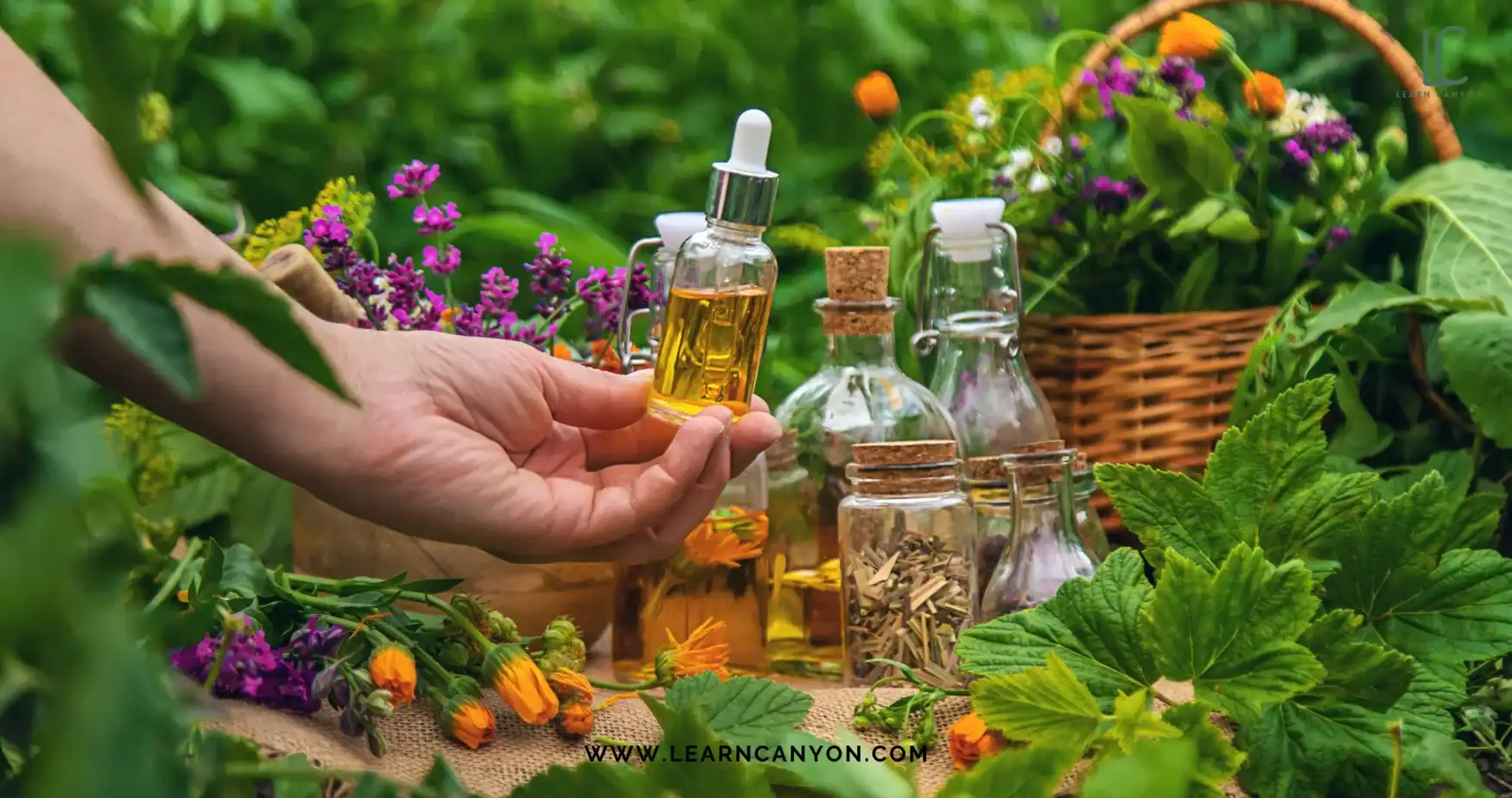
Oils :
Oils are often chosen based on skin type alone, but that’s an oversimplification. In formulation, oils are selected based on absorption speed, fatty acid profile, and skin feel, not just whether skin is oily or dry.
- Fast-absorbing oils sink into the skin quickly and give a dry, lightweight finish. Examples include jojoba, squalane, grapeseed, and rosehip. These work beautifully in facial serums, gel creams, and lightweight oils.
- Slow-absorbing oils stay on the skin longer and provide occlusion. Castor, olive, avocado, and sweet almond oil (in higher percentages) are better suited for body butters, massage oils, and hair oils.
Many beginners label certain oils as “bad” simply because they feel greasy, when in reality, the oil is being used in the wrong product format. Oils aren’t good or bad they’re functional tools that need the right context.
Butters
Butters are solid lipids that add nourishment, richness, and structure, but not all butters behave the same way.
- Soft butters have a lower melting point and feel creamy and spreadable on skin. Shea butter and mango butter are common examples. They improve slip and make products feel comforting.
- Hard butters have a higher melting point and add firmness and stability. Cocoa butter and kokum butter help products hold their shape, especially in balms and sticks.
Early in my formulation journey, I assumed more hard butter meant more luxury. In reality, too much hardness leads to draggy application and poor spread. True luxury comes from balance, not heaviness.
Waxes
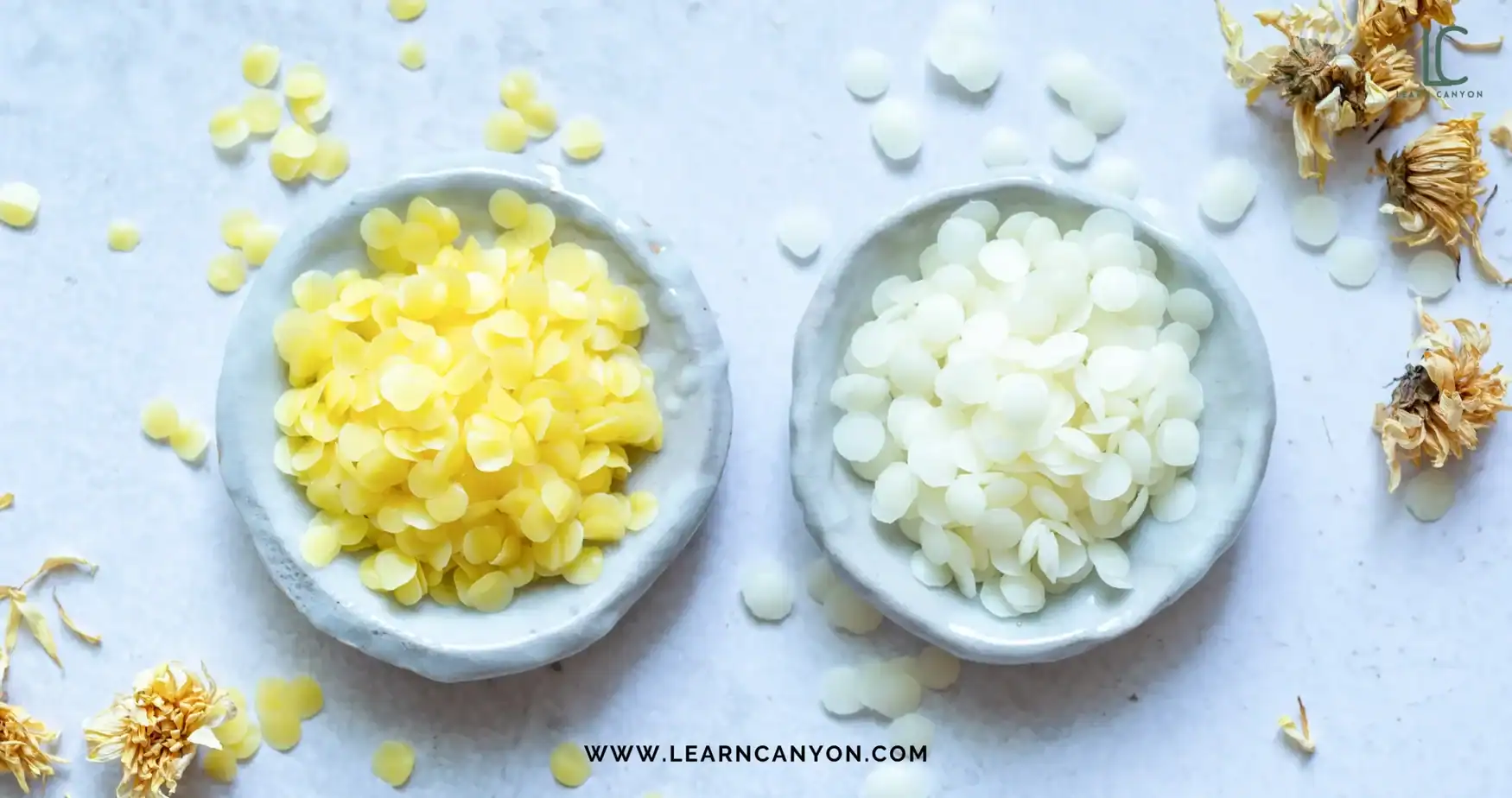
Waxes act as the structural backbone of many anhydrous products. They are not just for lip balms they control how a product behaves in real-world conditions.
Waxes help:
- Give structure and rigidity
- Improve heat stability
- Prevent oil bleeding
- Control glide and payoff
Beeswax, candelilla wax, and carnauba wax all serve slightly different roles. Too little wax can cause products to melt or collapse, while too much makes them hard, draggy, and uncomfortable to use. Finding the right wax percentage is what separates amateur formulations from professional ones.
What Are Cosmetic ingredients Actives?
Actives are ingredients added for targeted skin benefits such as brightening, exfoliation, hydration, or anti-aging. Common examples include niacinamide, vitamin C derivatives, PHAs, peptides, and botanical extracts.
However, actives only work when:
- The base formula is stable
- The pH is compatible
- The delivery system supports absorption
- The skin barrier is respected
Actives should not be added just because they’re trending. I’ve seen beautifully designed base formulas outperform active-heavy products simply because the skin could tolerate them better.
Natural vs Synthetic
There’s a lot of fear around synthetic ingredients, especially among beginners. The reality is more nuanced.
- Natural ingredients can be effective, but they can also be unstable, allergenic, and inconsistent.
- Synthetic ingredients offer predictability, safety, and improved shelf life.
Formulation isn’t about choosing sides. It’s about choosing what works best for the product, the skin, and long-term safety. A good formulator doesn’t fear ingredients they understand them.
Beginner Ingredient Buying Mistakes
Some of the most common mistakes I see include:
- Overbuying ingredients before understanding how they behave. It’s far better to master a few oils and butters than to collect dozens.
- Trend chasing, where ingredients are bought purely because they’re popular online, not because the formulation needs them.
- Skipping fundamentals, assuming ingredients work alone rather than as part of a system.
Formulation becomes far less overwhelming once you understand that every ingredient has a role and every role must be justified.
Cosmetic formulation isn’t about having the biggest ingredient shelf or the trendiest actives. It’s about understanding why each ingredient exists in your formula.
When you truly understand oils, butters, waxes, and actives:
- Your formulations improve
- Your confidence grows
- Your products start making sense
That’s when formulation stops feeling like trial and error and starts feeling like a skill you own.