Let me start with the truth most people won’t tell you.
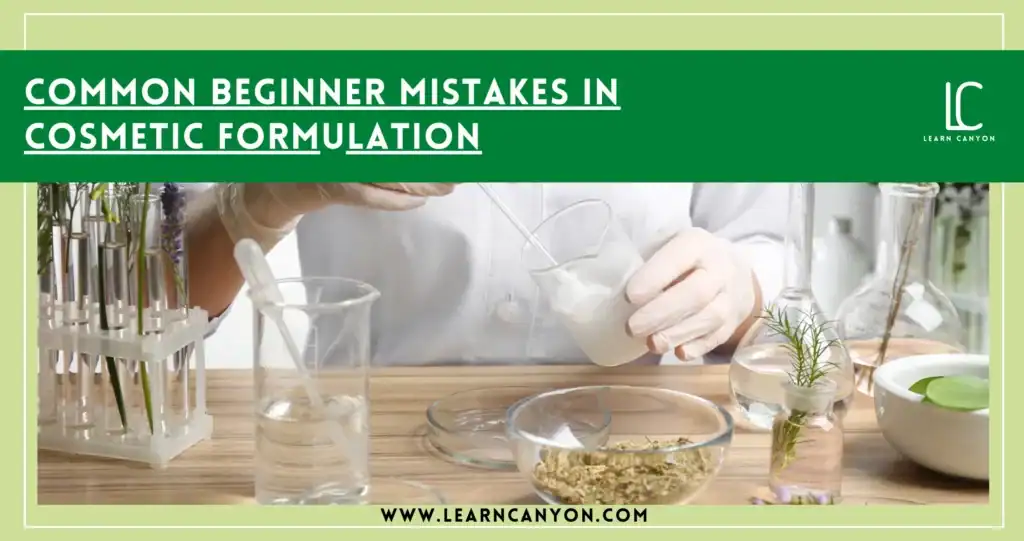
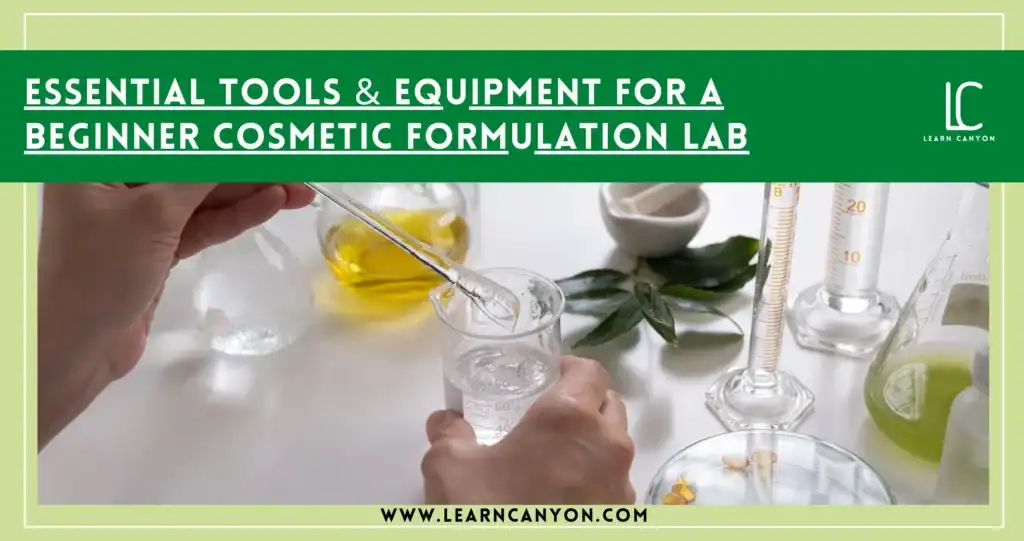
You don’t need a fancy lab to start formulating. You don’t need stainless steel tables, industrial machines, or expensive equipment to begin your journey.
But here’s the other side of the truth.
Using kitchen tools without understanding how formulation works can quietly ruin your products. I’ve seen formulations fail not because of bad ingredients, but because of wrong tools, poor hygiene, or inaccurate measurements. In my early days, when I was formulating from a small corner of my room, I learned this the hard way.
So let’s talk about what you actually need to start without fear, overwhelm, or unnecessary spending.
Do You Really Need a Lab to Start?
The simple answer is no you don’t need a lab.
What you need is a dedicated, controlled formulation space.
Think of a lab less as a room and more as a mindset.
- A clean, clutter-free surface
- Tools used only for formulation
- Basic hygiene discipline
- Accuracy and documentation
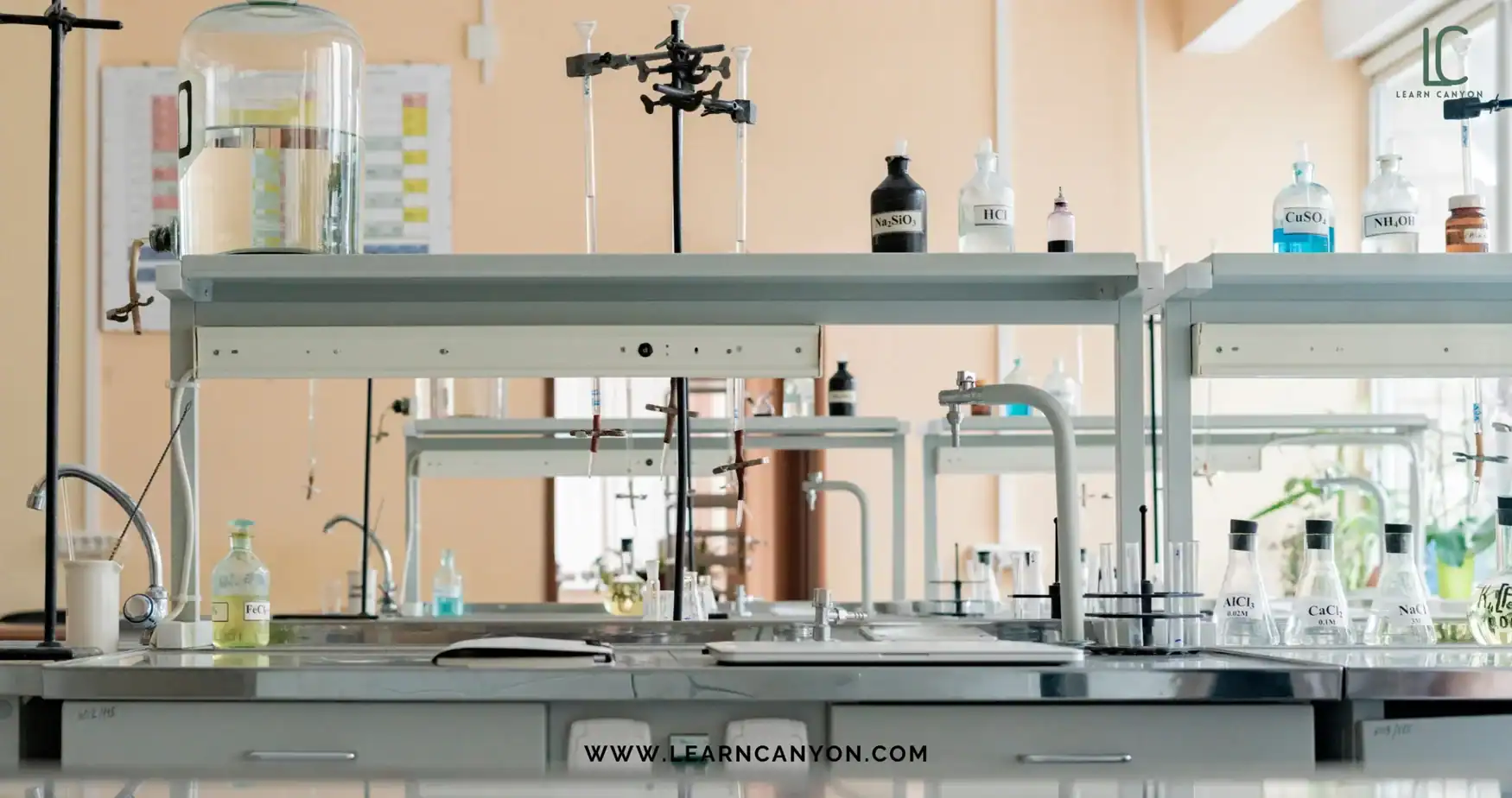
When I started in 2015, my setup was extremely simple. What mattered wasn’t the space it was the consistency. If you can control cleanliness, measurements, and storage, you’re already working like a professional.
Must-Have Tools for Beginners
Instead of listing fancy equipment, let’s break this down by function.
Weighing
If there’s one tool you should never compromise on, it’s a digital weighing scale.
- Choose a scale with 0.01 g accuracy
- Capacity of 500 g to 1 kg is enough for beginners
- Always formulate by weight, not spoons
I once used “approximate” measurements early on and wondered why the same formula behaved differently every time. The moment I switched to precise weighing, my formulations became consistent, predictable, and professional.
Heating
Heating should always be controlled and gentle.
- Double boiler setup is beginner-friendly
- Hot plate with temperature control works well
- Avoid direct flame heating
Direct heat can burn waxes, degrade actives, and destabilize emulsions. Even today, for small batches, I prefer a double boiler because it gives me better control.
Mixing
Mixing is about technique not speed.
- Silicone spatulas for manual mixing
- Glass rods for serums and gels
- Mini hand blender for emulsions only
One mistake I made early on was over-blending, thinking more mixing meant better emulsions. In reality, it caused air bubbles, instability, and texture issues. Gentle, controlled mixing always wins.
Why Weight Matters More Than Volume
This is one of the most important mindset shifts for beginners.
Cosmetic formulation is chemistry, not cooking.
- One teaspoon of oil does not weigh the same as one teaspoon of water
- Density differences affect stability and performance
- Volume-based measuring creates inconsistency
Once I moved fully to weight-based formulation, my results became repeatable and scalable. If you ever plan to sell, teach, or manufacture this step is non-negotiable.
Hygiene & Safety Basics
You don’t need hospital-grade sterilization, but you do need discipline.
- Clean tools before and after every batch
- Wipe work surfaces with alcohol
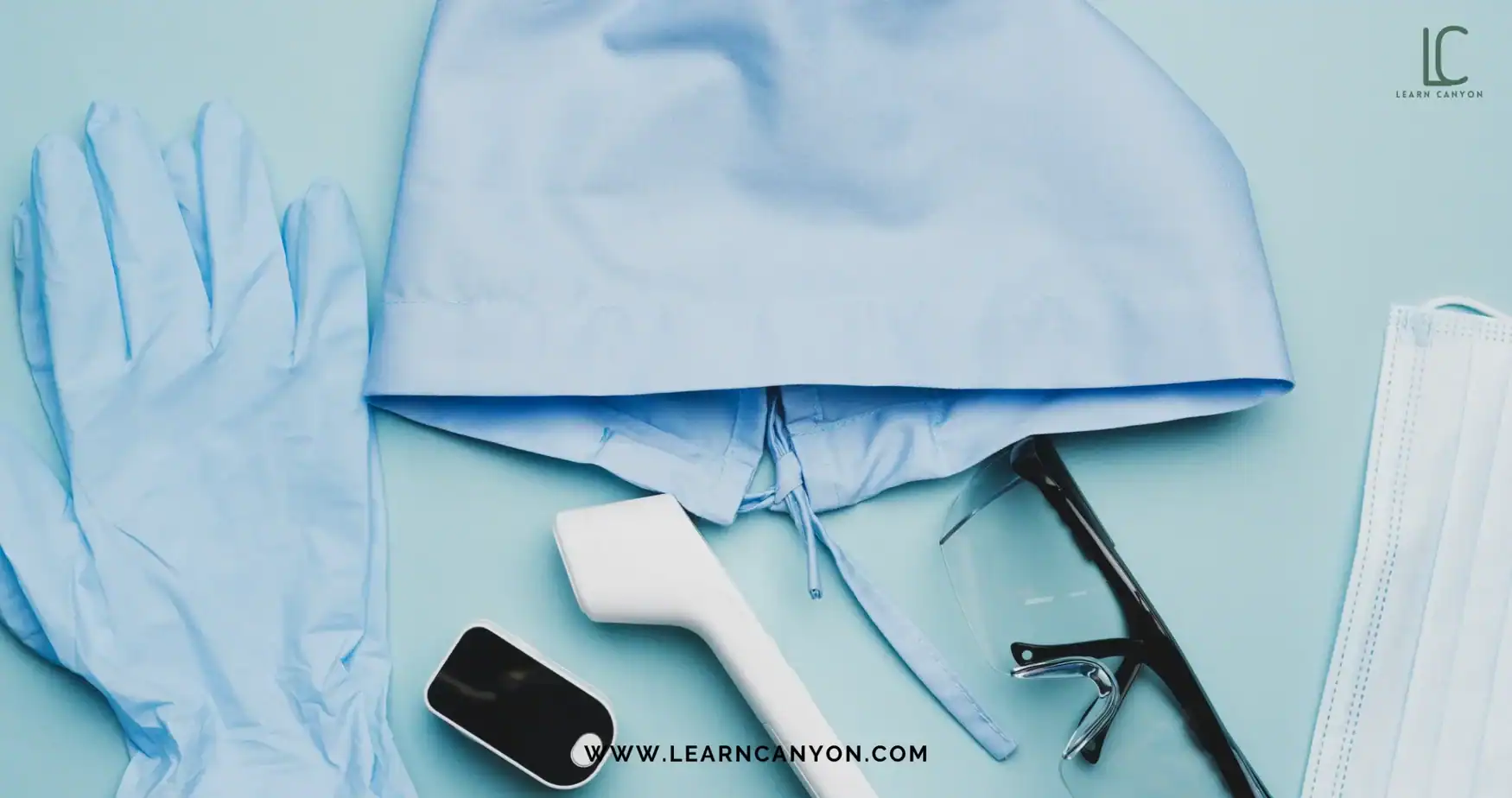
- Tie hair, use gloves when required
- Never reuse dirty containers
Most contamination problems don’t come from ingredients. They come from casual handling and skipped cleaning steps. Small habits here make a huge difference in product safety.
Storage, Labeling & Documentation
This is where many beginners unknowingly sabotage themselves.
- Use airtight containers
- Label every sample clearly
- Maintain a formulation notebook or digital record
Always record:
- Date of formulation
- Formula version
- Ingredient percentages
- Observations after 24 hours, 7 days, and 30 days
Some of my best formulas today came from notes I made years ago. Without documentation, growth becomes guesswork.
You don’t need to buy everything at once.
A smart beginner approach looks like this:
- Invest in accuracy first (weighing scale)
- Build tools slowly
- Upgrade as your skill improves
Professional results don’t come from expensive tools. They come from understanding how to use simple tools correctly.
Common Tool Mistakes I See All the Time
These are mistakes I see repeatedly and yes, I’ve made some myself.
- Using measuring cups instead of scales
- Sharing tools between kitchen and formulation
- Overheating sensitive ingredients
- Not cleaning tools immediately
- Not labeling samples (thinking you’ll remember later)
Awareness alone can save you months of frustration.
Formulation is not about having the best tools.
It’s about having the right tools, using them with intention, and respecting the process.
Start small.
Stay curious.
Document everything.
And please don’t wait for the “perfect lab” to begin. Every professional formulator you admire today once started with a very humble setup.
I know I did.