If there’s one plant that has earned its rightful place in every skincare lover’s routine, it’s aloe vera. Whether you’re a formulator like me or just someone who loves crafting clean, gentle skincare, you can’t help but admire how incredibly versatile and effective aloe is.
I often call aloe “nature’s hydrator in a leaf.” It’s soothing, cooling, anti-inflammatory, and deeply moisturizing, all without feeling heavy or greasy. And the best part? It’s suitable for all skin types, from oily and acne-prone to dry, sensitive, or mature skin.
As a professional formulator, I’ve seen firsthand how aloe transforms a formulation, giving it that fresh, lightweight feel while delivering powerful skin benefits. It blends beautifully into emulsions, gels, and serums, and plays well with both botanical actives and cosmeceuticals.
In this blog, I’ll guide you through crafting your very own aloe-infused moisturizer, from understanding aloe’s skin benefits to formulation tips, and of course, sharing one of my favorite glow-boosting recipes you can try at home. So, let’s dive into this juicy, skin-loving journey together!
Aloe Vera’s Skin Benefits
Let’s talk about why aloe vera is such a superstar in skincare, and why it’s more than just a sunburn soother.
Aloe vera is packed with over 75 active compounds, including vitamins, minerals, enzymes, amino acids, and antioxidants. When you apply it to the skin, it doesn’t just sit on the surface, it penetrates deeply, delivering hydration right where your skin needs it most. That’s thanks to its high water content and mucopolysaccharides (like acemannan), which help lock in moisture and keep the skin plump and supple.
But hydration is just the beginning.
Aloe also brings anti-inflammatory properties, making it perfect for calming irritated or sensitive skin. It helps reduce redness, soothes itchiness, and even supports skin recovery after breakouts, waxing, or minor abrasions. In fact, I often recommend aloe-based products for post-peel care in professional facial treatments because of how gentle and restorative it is.
From an Ayurvedic lens, aloe vera, known as Kumari, is revered for its cooling, rejuvenating, and anti-aging qualities. It balances Pitta dosha and supports tissue regeneration, which makes it ideal in formulations aimed at restoring skin vitality.
Whether you’re creating a moisturizer, a hydrating mist, or even a gel-based serum, aloe is one of those ingredients that fits in seamlessly, doing a lot, without ever stealing the spotlight.
It’s gentle. It’s powerful. And yes, your skin will absolutely love it.
Choosing the Right Aloe – Gel, Juice, Powder, or Extract?
Aloe vera comes in many forms, and while they all come from the same magical plant, not all are created equal when it comes to formulation.
Let’s break it down, formulator to formulator.
Aloe Vera Gel (Fresh or Store-Bought):
This is what most people think of first. It’s that thick, jelly-like substance straight from the leaf. Fresh aloe is lovely if you’re making a one-time-use mask or soothing treatment, but it isn’t shelf-stable and can oxidize or develop microbial growth quickly unless properly preserved. Store-bought gels are often diluted or full of thickeners, so always read the label. If you’re formulating for resale or long-term use, this isn’t the most reliable option.
Aloe Vera Juice (Liquid Extract):
This is a water-thin, filtered version that works beautifully in emulsions, toners, and serums. It gives that hydrating boost without adding viscosity. Look for decolorized and de-aloinated versions to avoid potential skin irritation. Aloe juice is ideal for when you want a soothing, lightweight touch that feels instantly refreshing.
Aloe Vera Powder (1:100 or 200x Concentrate):
Now this is a formulator’s secret weapon! A tiny amount goes a long way, and it’s super convenient to store. The 200x powder, for example, is highly concentrated, meaning just 0.5g reconstituted in 100g of distilled water gives you the equivalent of 100% aloe juice. It’s amazing for precise formulation, offers a longer shelf life, and blends well in both water-based and emulsified products.
Aloe Extracts (Glycerites or Oil-Soluble Versions):
These are usually infusions or bioactives suspended in a carrier like glycerin or oil. While they don’t replace the hydrating properties of aloe juice or powder, they’re excellent for layering skin benefits, like antioxidant support or calming effects, in a complex formulation. Use them as supporting actives, especially in serums or creams.
Priya’s Tip:
If you’re formulating a moisturizer and want hydration, go for aloe vera juice or reconstituted powder (200x) as part of your water phase. They’re stable, skin-safe, and give you full control over your formulation’s consistency and performance.
Moisturizer Magic: What Makes a Great Aloe-Infused Formula?
Now that we’ve fallen in love with aloe (again!), let’s talk about what actually makes an aloe-infused moisturizer work, because just throwing aloe into a cream isn’t enough. As a formulator, balance is everything.
A great moisturizer is all about hydration + nourishment + barrier support, and aloe fits beautifully into that equation, especially when you understand how to pair it with the right ingredients.
Here’s the structure I always follow:
- Humectants (like aloe vera, glycerin, hyaluronic acid, sodium PCA): These draw moisture into the skin. Aloe, in particular, brings hydration and anti-inflammatory benefits, making it a standout base for any soothing formula.
- Emollients (like jojoba oil, squalane, or apricot kernel oil): These soften the skin and add that silky, luxurious glide. Since aloe is water-based, it needs the cushion of a well-chosen oil phase to give your moisturizer that supple, creamy feel.
- Occlusives (like shea butter, cetyl alcohol, or natural esters): These help seal in moisture and protect the skin barrier. Think of them as the finishing touch that prevents all the goodness from evaporating.
And of course, let’s not forget the emulsifier, the one that brings water and oil together in harmony. Choosing a natural, stable emulsifier system that complements aloe (like Olivem 1000, Montanov 68, or Emulsan) is key to achieving a smooth, non-greasy, aloe-kissed texture.
Aloe tends to bring a light, gel-like character to your formula, so I often balance it with film-forming agents or skin-loving actives like panthenol, green tea extract, or allantoin for added performance.
Priya’s Pro Tip:
Test your final moisturizer for spreadability, pH compatibility (aloe is happiest between 4.5–6), and texture stability. Aloe can sometimes thin out an emulsion, so don’t be afraid to adjust your thickener or stabilizer ratio.
Hero Ingredients to Pair with Aloe for a Radiant Boost
Aloe is already a skin savior, but when you pair it with the right ingredients, it turns into a glow-boosting powerhouse. Think of aloe as your base note in a beautiful symphony, it sets the tone, but the right supporting actives elevate the entire experience.
As a formulator, I love creating synergy. And with aloe, that’s incredibly easy to do. Here are some of my all-time favorite ingredient partners that play beautifully with it:
Hyaluronic Acid
Aloe hydrates, HA holds it in. This combo is like giving your skin a long, juicy drink of water and then locking in the glow. I recommend using low and high molecular weights together for multi-depth hydration.
Panthenol (Provitamin B5)
This is one of my go-to ingredients in calming formulations. It works with aloe to soothe inflammation, support barrier repair, and give the moisturizer a lush, comforting feel. Bonus: it adds a lovely slip to your final texture.
Green Tea Extract
Loaded with antioxidants and caffeine, green tea adds anti-aging and brightening benefits. When paired with aloe, it helps reduce puffiness, balance oily skin, and neutralize oxidative stress. It’s perfect for tired or acne-prone skin.
Niacinamide (Vitamin B3)
Want radiance? Niacinamide + aloe = glow goals! It brightens, evens out skin tone, and improves texture. Just keep your formula pH-friendly for both ingredients (ideally around 5–6) to keep them stable and effective.
Cucumber Extract
For an ultra-refreshing feel, cucumber is an amazing addition. It reinforces aloe’s soothing nature, calms down sensitivity, and gives your moisturizer that cooling “spa-fresh” sensation.
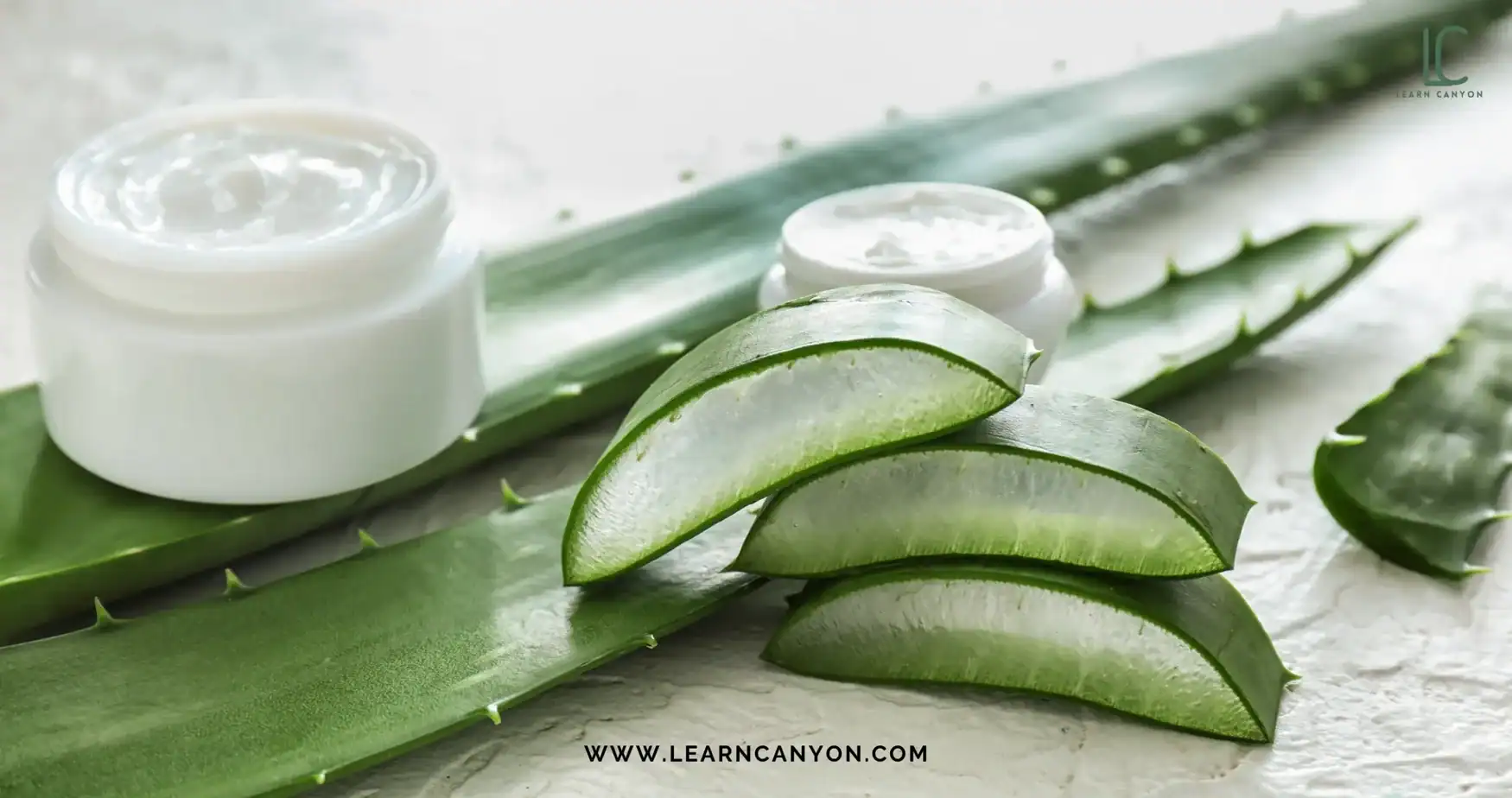
Jojoba Oil or Squalane
Both of these mimic skin’s natural sebum, making them ideal lightweight emollients in aloe-rich formulations. They keep things balanced, hydrated but not greasy, nourished but still breathable.
Priya’s Pro Tip:
Don’t overcrowd your formula! Choose 2–3 hero ingredients that align with your product’s intent. Aloe already brings so much to the table, let your other actives support its strengths without overshadowing its gentle magic.
Formulator’s Tip: Preserving Aloe-Based Products Naturally
Let’s get real for a second, aloe might be amazing for your skin, but it’s also a magnet for microbial growth if not preserved properly. I see this mistake far too often with DIYers who think natural means preservative-free. Trust me, even if your formula is clean and green, it still needs protection.
Aloe vera, especially in juice or gel form, is water-based, which means it’s the perfect breeding ground for bacteria, yeast, and mold. If you’re making an aloe-infused moisturizer, proper preservation isn’t optional, it’s essential.
Here are my tried-and-tested go-to preservation tips for aloe-rich formulas:
Use a Broad-Spectrum Preservative
Choose something that’s eco-friendly and effective. I often reach for:
- Geogard ECT (Benzyl Alcohol, Salicylic Acid, Glycerin, Sorbic Acid) – gentle, globally approved, and works well in natural emulsions.
- Leucidal® SF Complete – a natural, fermented alternative that pairs nicely with aloe (though it may need pH tweaking and sometimes a booster).
- Germall Plus – not natural-certified but very effective if you’re okay with using safe synthetic options in tiny amounts.
Watch the pH
Aloe naturally sits between pH 4.5–5.5. Make sure your final product stays within the preservative’s effective range. For example, Geogard ECT works best below pH 5.5. Always measure and adjust with lactic acid or sodium bicarbonate as needed.
Sanitize Like a Pro
Even the best preservative won’t help if you’re formulating in a contaminated environment. Clean tools, sanitized containers, and hygienic processes are non-negotiables in my lab, and they should be in yours, too.
Store Smart
Even with preservation, advise your customers (or yourself!) to store aloe-based products in a cool, dry place away from direct sunlight. And always include a PAO (period after opening) label or shelf life if you’re selling.
Priya’s Pro Tip:
If you’re using fresh aloe or fresh juice, don’t skip preservation even if it’s just for personal use. Nature is powerful, but so is mold. Preserve with love, and your aloe formula will stay safe, stable, and glow-worthy.
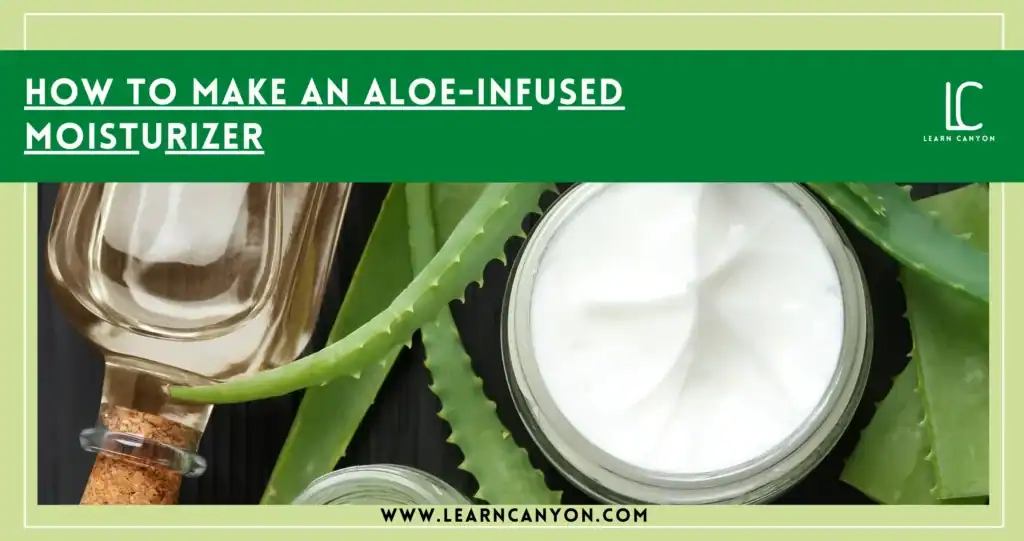
How to Make an Aloe-Infused Moisturizer
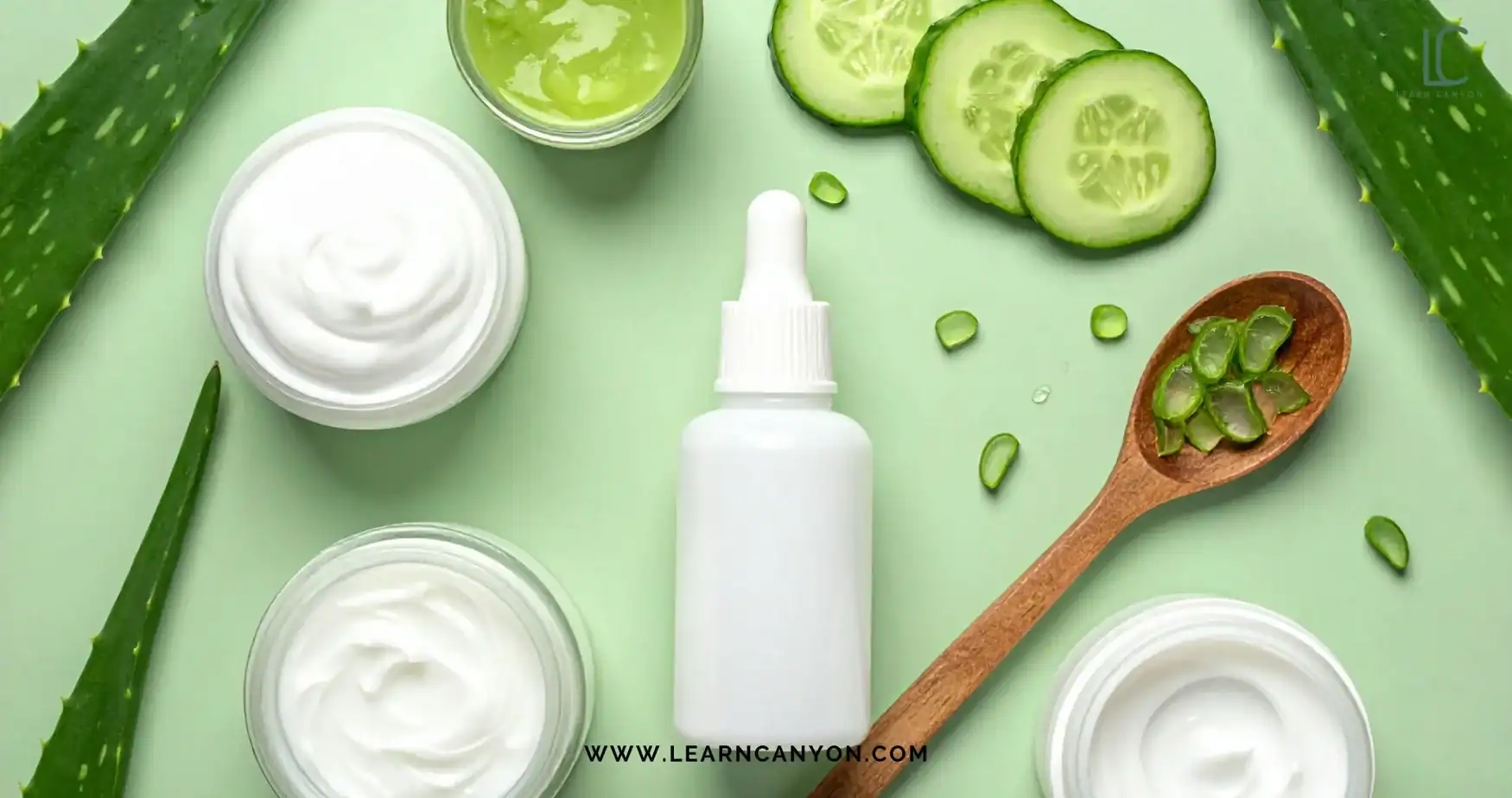
Alright, formulator friends, this is where the magic happens! Whether you’re just starting your formulation journey or you’re a pro who loves the feel of a fresh aloe emulsion, this step-by-step guide will walk you through making a lightweight, hydrating aloe moisturizer that’s perfect for everyday use.
This formula is designed to be gentle, non-greasy, and glow-enhancing, exactly what your skin craves!
What You’ll Need (for 100g batch)
Aqueous Phase:
- Distilled Water – Qs%
- Aloe Vera Juice (or 1% Aloe 200x Powder reconstituted in water) – 20%
- Glycerin – 3%
- Panthenol (Provitamin B5) – 2%
Oil Phase:
- Jojoba Oil – 5%
- Squalane – 2%
- Emulsifier (e.g., Olivem 1000 or Montanov 68) – 4%
- Cetyl Alcohol (for slip and texture) – 1.5%
Cool Down Phase:
- Niacinamide – 2%
- Preservative (Geogard ECT or Leucidal Complete) – 1%
- Essential oil or natural fragrance (optional) – 0.5%
Equipment Checklist:
- Digital scale
- Two beakers or heat-safe containers
- Mini whisk or immersion blender
- Thermometer
- Sanitized jar or container
Method:
- Phase Prep:
In Beaker A, combine your water phase ingredients (distilled water, aloe juice, glycerin, panthenol).
In Beaker B, add your oil phase (jojoba oil, squalane, emulsifier, cetyl alcohol). - Heat Both Phases:
Heat both beakers in a double boiler (or hot water bath) until they reach 70–75°C. Stir occasionally to melt everything evenly. - Emulsify Like a Pro:
Once both phases are at temperature, slowly pour the oil phase into the water phase while blending with a stick blender. Mix for a good 2–3 minutes to form a smooth, uniform emulsion. - Cool Down Phase:
Allow the mixture to cool below 40°C, then add niacinamide, your preservative, and essential oil (if using). Mix gently to combine. - Check & Adjust:
Measure the pH (aim for 5–5.5) and adjust if necessary using a drop of lactic acid or sodium bicarbonate solution. - Bottle It Up:
Pour into a sanitized container or airless pump bottle. Label it with your batch date and shelf life.
Priya’s Pro Tip:
If you’re making this for sensitive skin, you can skip the essential oils and even substitute jojoba with apricot kernel oil for a softer finish. Always patch-test new formulas, even if they’re natural!
Priya’s Pro Formula: Lightweight Aloe Day Cream for All Skin Types
Now it’s time for my favorite part, sharing a tried-and-true formula straight from my own formulation journal! This Lightweight Aloe Day Cream is one of those beautiful, versatile products that works across all skin types. Whether someone’s dealing with oily patches, dry areas, or just wants a daily dose of hydration with zero greasiness, this cream delivers.
It’s silky, fresh, and breathable, powered by the humectant magic of aloe and panthenol, a featherlight oil phase, and just the right touch of niacinamide for that radiant finish.
Priya’s Aloe Day Cream Formula (100g batch)
Aqueous Phase
- Distilled Water – Qs%
- Aloe Vera Juice (or 1% reconstituted Aloe 200x powder) – 20%
- Glycerin – 3%
- Panthenol – 2%
Oil Phase
- Jojoba Oil – 4%
- Squalane – 2%
- Emulsifier (Montanov 68 or Olivem 1000) – 4%
- Cetyl Alcohol – 1.5%
Cool Down Phase
- Niacinamide – 3%
- Green Tea Extract (water-soluble) – 1%
- Preservative (Geogard ECT or Leucidal Complete) – 1%
- Natural Fragrance or Essential Oil (optional) – 0.5%
Method Overview
- Heat the water and oil phases separately to 70–75°C.
- Blend oil into water phase using an immersion blender until creamy and uniform.
- Let it cool to 40°C, then add cool-down ingredients.
- Adjust pH to 5–5.5 and bottle in a pump or jar.
- Let it sit for 24 hours before first use, it gets creamier and more luxurious!
Priya’s Pro Tip:
This formula is a perfect base, you can customize it for different skin concerns. Add licorice root for brightening, swap in rosehip oil for mature skin, or infuse calendula extract for sensitive skin support. Just remember to preserve and pH-check your final formulation!
Customization Tips for Different Skin Types
One of the best things about this aloe-infused day cream? It’s beautifully adaptable. Just like every skin is unique, so should be your formulation approach. Whether you’re formulating for yourself, your clients, or your skincare line, these tweaks will help you personalize your aloe cream to suit every skin type with intention and care.
Let’s dive into how you can adjust the base formula to make it feel just right for each skin type:
For Oily or Acne-Prone Skin
- Swap jojoba oil with hemp seed oil or grapeseed oil for a lighter, more balancing emollient.
- Add white willow bark extract or azelaic acid (at 1–2%) for gentle exfoliation and oil control.
- Consider increasing the niacinamide to 4–5% (while keeping an eye on pH stability).
- Optional: Add a touch of zinc PCA for sebum regulation.
Priya’s Tip: Keep the texture gel-cream-like and avoid heavy occlusives. Less is more for oily skin!
For Dry or Dehydrated Skin
- Add a richer emollient like avocado oil, rosehip oil, or murumuru butter for deep nourishment.
- Increase glycerin to 4–5% and add low molecular weight hyaluronic acid for lasting hydration.
- Include colloidal oats or beta-glucan for soothing and moisture-binding benefits.
- Optional: Add a bit of plant-based cholesterol or ceramide complex to support barrier repair.
Priya’s Tip: Don’t fear richer textures here, dry skin thrives with a plush, cushiony finish.
For Sensitive or Reactive Skin
- Keep the oil phase minimal and use apricot kernel oil or shea olein for their gentle, barrier-supporting properties.
- Skip essential oils or strong actives. Instead, go for chamomile extract, calendula, or allantoin for extra comfort.
- Add bisabolol or oat extract to further reduce redness and irritation.
- Be meticulous with pH, keep it around 5.0 for best skin compatibility.
Priya’s Tip: Less is better. Focus on calming and barrier-friendly ingredients, and always patch test.
For Mature or Dull Skin
- Boost your emollient phase with rosehip oil, pomegranate seed oil, or a few drops of coenzyme Q10.
- Incorporate bakuchiol (natural retinol alternative) at 0.5–1% for gentle rejuvenation.
- Add vitamin C derivative (like sodium ascorbyl phosphate) for brightening and antioxidant protection.
- Optional: Use peptides or fermented extracts for a touch of luxe age support.
Priya’s Tip: Mature skin loves richness, renewal, and radiance, so aim for actives that support collagen and glow.
No matter the skin type, the base formula with aloe offers flexibility and freshness. That’s the beauty of conscious formulation, you can create something safe, supportive, and stunning for every face that finds its way to your cream jar.
Conclusion
Formulating with aloe vera is like giving your skin a little moment of peace, a botanical hug that hydrates, soothes, and restores balance. It’s gentle enough for daily use, yet powerful enough to make a visible difference in how your skin looks and feels.
What I love most about working with aloe is how versatile and forgiving it is. Whether you’re keeping things simple or layering in luxurious actives, aloe always plays well. It supports your skin without overwhelming it, and when paired with the right ingredients, it can elevate a basic moisturizer into something truly nourishing, radiant, and soul-soothing.
So, whether you’re a budding formulator or a skincare enthusiast crafting for yourself or your loved ones, I hope this guide inspires you to infuse your next creation with the calming, hydrating magic of aloe. Trust the process, trust your instincts, and remember, your skin loves plants that love it back.
Here’s to glowing skin and formulas made with intention.