
Let’s be real, when you open that luxurious cream jar or pump out that silky lotion, the last thing on your mind is what’s holding it all together. But as a formulator, that’s exactly where the magic begins. And that magic? It’s the emulsifier.
In skincare formulations, Natural vs Synthetic emulsifiers are like skilled matchmakers. They take two ingredients that don’t naturally get along, oil and water, and blend them into a smooth, stable union. Without an emulsifier, your gorgeous lotion would separate faster than you can say “phase separation.”
But emulsifiers do so much more than just mix oil and water. They influence texture, stability, absorption, and even how your product feels on the skin. A light lotion, a rich buttercream, or a satin-finish serum, all of them owe their character to the emulsifier system behind the scenes.
And here’s where it gets even more interesting, emulsifiers can be natural, derived from plant-based sources, or synthetic, created in the lab for performance and precision. Each has its strengths, limitations, and ideal use cases. Choosing the right one isn’t just a technical decision, it’s a philosophical one too. Especially if you’re building a clean beauty brand, creating an Ayurvedic formulation, or working toward COSMOS approval.
In this blog, we’re going to dive deep into the world of emulsifiers, comparing natural and synthetic options so you can choose wisely and formulate with confidence. Let’s blend science and nature, one smooth formula at a time.
What Are Natural Emulsifiers
Let’s talk about the darlings of the green beauty world, natural emulsifiers.
Natural emulsifiers are ingredients derived from plant-based, renewable sources, think olives, sugarcane, soy, corn, or even coconut. They’re processed in ways that retain their origin’s “naturalness,” which is why many of them are approved by COSMOS, ECOCERT, or similar certification bodies. These emulsifiers allow us to create beautiful, stable formulations without straying from nature’s path.
Some of my personal favorites? Olivem 1000, made from olive oil, gives a soft, cushiony feel that’s ideal for face creams and sensitive skin products. Then there’s Sucrose Stearate, a gentle sugar-derived emulsifier that’s great for lighter lotions. We also have Cetearyl Olivate and Sorbitan Olivate, which come from olive oil and work wonderfully to mimic the skin’s natural lipid structure, perfect for barrier-supportive formulations.
The beauty of using natural emulsifiers lies in how skin-friendly and biodegradable they are. They’re often non-irritating, support the skin barrier, and align beautifully with Ayurvedic and herbal formulations. They also work well when you want your product to feel as natural as its ingredient list sounds, light, nourishing, and close to nature.
But of course, they’re not without quirks. Natural emulsifiers sometimes need a bit of formulation finesse, like stabilizers or co-emulsifiers, to maintain long-term stability. Some can be pH-sensitive, or may not hold up well under high heat. That’s why understanding how they behave in your formula is key.
Still, if you’re formulating for sensitive skin, baby care, or a conscious beauty brand, natural emulsifiers are a wonderful place to start. They’re your bridge between functionality and clean label claims, without compromising on the integrity of your formulation.
What Are Synthetic Emulsifiers
Now let’s shift gears and talk about the other side of the formulation spectrum, synthetic emulsifiers.
Synthetic emulsifiers are man-made compounds, often created through chemical reactions or modifications of natural materials. They’re not necessarily bad or unsafe, in fact, many of them are rigorously tested, extremely stable, and used widely in both dermatological and luxury skincare products. Think of them as the lab-engineered perfectionists of the emulsifier world.
Examples include Polysorbates, Ceteareth-20, PEG-100 Stearate, and Glyceryl Stearate SE. These emulsifiers offer high performance, are easy to work with, and give your formulas that luxurious, silky slip many consumers love. They’re reliable, even under tough conditions like extreme pH ranges or high heat. If you’re formulating with tricky actives like AHAs or retinoids, synthetic emulsifiers can be your best friends, they hold the formula together without a fuss.
Now, here’s the catch, while synthetic emulsifiers are functional superheroes, they don’t always align with natural or green beauty philosophies. Some are derived from petroleum or may undergo processes involving ethoxylation, which raises concerns about contaminants like 1,4-dioxane. These concerns don’t mean they’re toxic, but they do push conscious formulators (like you and me) to look deeper into the ingredient source and manufacturing method.
Also, from an Ayurvedic or holistic perspective, synthetic emulsifiers can feel a little disconnected from nature’s rhythm. They might not resonate with consumers seeking a more earth-aligned or skin-minimalist experience.
But here’s the truth, formulation is all about balance. Synthetic emulsifiers offer unmatched consistency and stability, which is why many formulators still rely on them, especially in pharmaceutical-grade or mass-market products where efficacy and shelf-life take center stage.
In the end, it’s not about good vs. bad, it’s about purpose. Understanding where synthetic emulsifiers shine helps you decide when to use them strategically, or when to look for natural alternatives that still deliver stellar results.
Key Differences Between Natural and Synthetic Emulsifiers
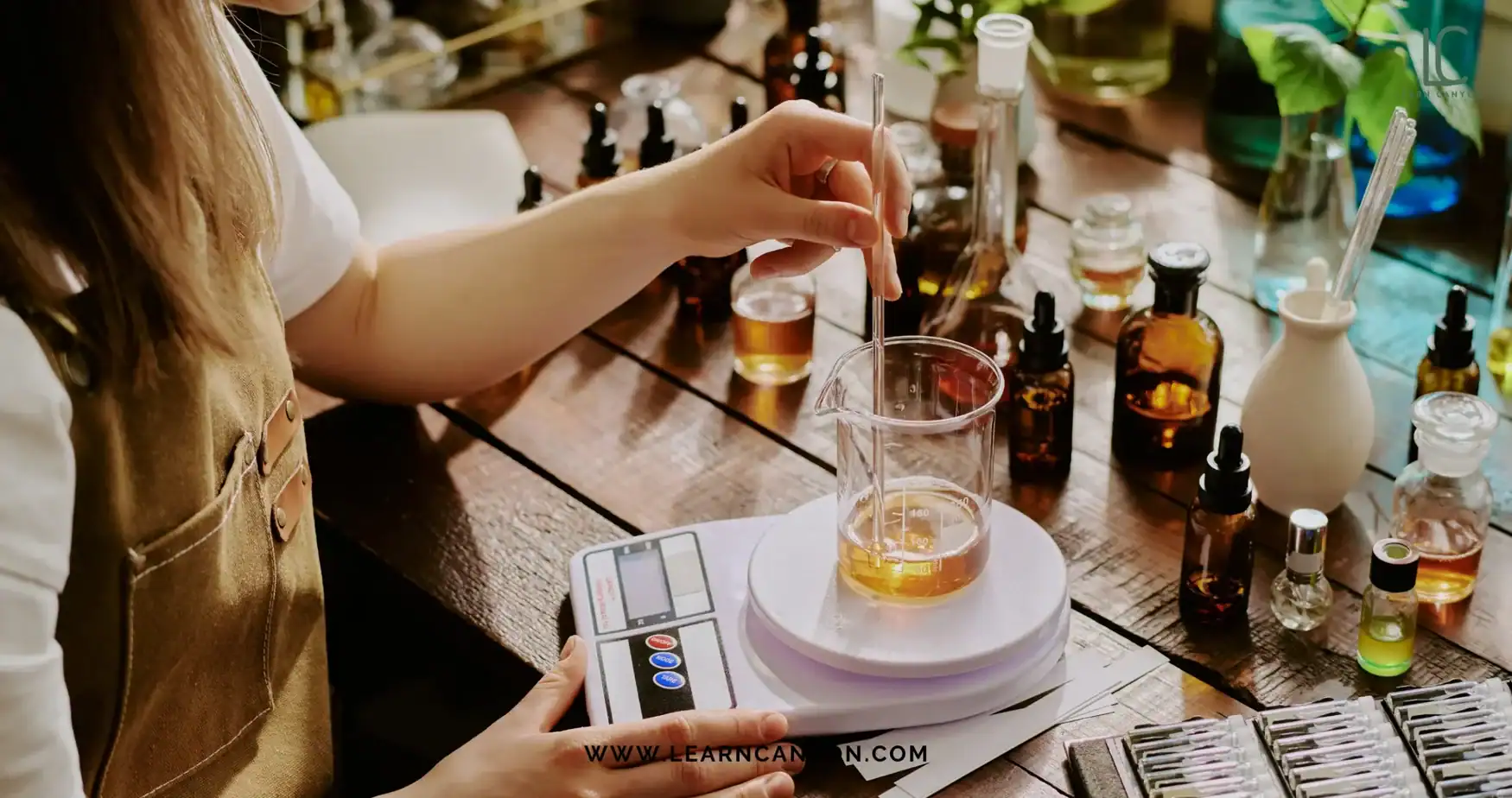
Alright, let’s get into the real formulator talk, what actually sets natural and synthetic emulsifiers apart? Because on the surface, both do the same job: they blend oil and water into a stable emulsion. But under the microscope (and inside your formula), they behave quite differently.
Let me break it down the way I do with my students and clients, through the lens of what really matters in formulation:
1. Source & Philosophy
- Natural emulsifiers are plant-based, eco-certified, and align beautifully with green beauty, Ayurvedic skincare, and holistic wellness brands.
- Synthetic emulsifiers are lab-created, often derived from petrochemicals or chemically modified ingredients, making them better suited for pharma, dermocosmetics, or high-performance actives.
If your brand is rooted in clean beauty or Ayurveda, natural emulsifiers support your ethos beautifully.
2. Stability & Emulsification Strength
- Synthetic emulsifiers are incredibly robust, they create highly stable emulsions even under harsh pH, temperature, or preservative systems.
- Natural emulsifiers, while gentle and skin-friendly, often need co-emulsifiers or stabilizers (like gums or fatty alcohols) for long-term stability.
If your formula includes pH-sensitive actives or needs a long shelf life in hot climates, synthetics can offer better reliability.
3. Sensory Feel & Texture
- Natural emulsifiers tend to give a more “buttery,” nourishing feel, perfect for facial creams, body butters, and baby products.
- Synthetic emulsifiers offer that silky, non-greasy, elegant glide you find in high-end moisturizers and serums.
Want a quick-absorbing, ultra-light finish? Synthetic systems shine. But if you’re after a skin-loving, wholesome touch, go natural.
4. Safety & Skin Sensitivity
- Natural emulsifiers are generally gentle, non-irritating, and perfect for sensitive or compromised skin.
- Synthetic emulsifiers can sometimes be problematic for reactive skin, especially if PEGs or ethoxylated compounds are involved.
Always patch test your formulas, especially if you’re formulating for baby care or eczema-prone skin.
5. Sustainability & Green Certifications
- Natural emulsifiers win here, they’re biodegradable, ethically sourced, and often COSMOS or ECOCERT approved.
- Synthetic emulsifiers can have a higher environmental impact depending on how they’re processed.
Eco-conscious consumers are reading those labels closely, natural emulsifiers help you tick that green box.
So, what’s the verdict? Honestly, there’s no one-size-fits-all answer. Your emulsifier choice should reflect the purpose of your product, your audience, your formulation style, and your brand values. The beauty of being a skilled formulator is knowing when to lean into nature and when to embrace science, or sometimes, how to balance both.
How Emulsifier Choice Impacts Your Final Formula
Here’s where formulation really becomes an art. Choosing an emulsifier isn’t just about blending oil and water, it’s about shaping the entire personality of your product.
Yes, your emulsifier affects the technical stability of your cream or lotion, but it also influences how it feels on the skin, how well it absorbs, how long it stays fresh, and even how your actives perform.
Let’s break this down with a formulator’s lens:
Texture and Skin Feel
Some emulsifiers create rich, cushiony creams that feel like a comforting hug on the skin (hello, Olivem 1000 or Montanov 68). Others whip up ultra-light, quick-absorbing emulsions that vanish like silk (think PEG-100 Stearate or Polysorbates).
So if you’re making a night cream that feels indulgent and nourishing, you’d probably go with a natural emulsifier that supports that buttery richness. But for a summer moisturizer or mattifying day cream? You might want something lightweight and synthetic that gives a powdery or non-greasy finish.
Absorption & Spreadability
Ever noticed how some lotions glide beautifully while others feel sticky or draggy? That’s emulsifier chemistry at work! Some emulsifiers improve spreadability and glide, helping the product feel more luxurious and user-friendly.
Compatibility with Actives
Here’s a golden rule I live by, always match your emulsifier to your actives. Some natural emulsifiers can destabilize in the presence of strong acids, retinoids, or vitamin C derivatives. Synthetic systems often give you more room to play with challenging actives without the risk of separation or texture shift.
Stability and Shelf Life
Your emulsifier system has a big role in how well your product holds up over time, especially in heat, humidity, or during transit. Synthetic emulsifiers often give you long-term reliability, while natural emulsifiers may require a more supportive formulation with stabilizers and antioxidants to keep things fresh and smooth.
Brand Alignment
Let’s not forget, your emulsifier also tells a story. Natural emulsifiers resonate with green, Ayurvedic, or minimalist beauty brands. Synthetic emulsifiers are better aligned with high-performance or cosmeceutical lines. Your choice supports not just your formula’s function but your brand’s promise.
So, the next time you’re designing a cream or lotion, don’t treat the emulsifier as an afterthought. It’s one of your core structure-builders, and the wrong choice can make a formula feel “off”, even if every other ingredient is perfect.
Trust me, once you start choosing emulsifiers intentionally, you’ll start seeing a whole new level of finesse in your formulations.
When to Choose Natural vs. Synthetic Emulsifiers
So now that we’ve explored both natural and synthetic emulsifiers, the big question becomes, how do you decide which one to use?
Honestly, this is where formulating turns into a bit of a dance. It’s not always about choosing the “better” option, but the one that aligns with your formulation goals, your brand story, and the needs of your customers.
Let’s walk through a few scenarios I often share with my students and consulting clients:
Choose Natural Emulsifiers When…
- You’re formulating for a clean beauty brand, Ayurvedic line, or organic-certified product.
- Your ideal customer values transparency, sustainability, and natural ingredients.
- You’re working on baby care, sensitive skin, or barrier-repair products where gentle, minimal formulations are key.
- Your product needs to align with ECOCERT/COSMOS certifications or carry a “100% natural origin” label.
- You want your formula to feel nourishing, rich, and plant-powered.
Think emulsifiers like Olivem 1000, Montanov 68, Cetearyl Olivate, they’re stars in this space.
Choose Synthetic Emulsifiers When…
- You need a formula that’s exceptionally stable, especially in extreme temperatures or pH ranges.
- Your product includes challenging actives like acids, retinoids, or vitamin C, and you don’t want any separation drama.
- You’re formulating for a dermatology-led or high-performance skincare line, where results and shelf life outweigh the “natural” label.
- You want a very lightweight, fast-absorbing texture or a serum-like finish.
- Your target market is okay with science-backed ingredients and not fixated on “all-natural” claims.
Emulsifiers like PEG-100 Stearate, Ceteareth-20, or Polysorbate 60 are solid choices here.
Or… Use a Strategic Blend of Both
Here’s something I often do in my own lab, combine a natural emulsifier with a small amount of a synthetic co-emulsifier to get the best of both worlds. This helps improve stability without completely stepping away from the natural ethos. It’s all about balance.
The bottom line?
Start with your purpose. What kind of product are you creating? Who is it for? What’s the experience you want them to have?
Once you’re clear on those things, your emulsifier choice will feel a lot less overwhelming, and a lot more intuitive. Trust your knowledge. Trust your vision. And never be afraid to test until the formula feels just right.
Priya’s Picks – Favorite Natural Emulsifiers and Why I Love Them
Ah, now we’re getting to the fun part, my go-to natural emulsifiers. These are the quiet heroes in my lab that I keep reaching for, whether I’m creating a calming baby lotion, a barrier-repair cream, or a luxurious facial moisturizer rooted in Ayurvedic botanicals.
Let me walk you through my absolute favorites and why they’ve earned a permanent spot on my shelf.
Olivem 1000 (Cetearyl Olivate & Sorbitan Olivate)
If I had to pick just one emulsifier to take on a desert island, it would probably be Olivem 1000. Derived from olives, it’s incredibly skin-friendly and creates that buttery, cushiony texture we all love in high-end creams. It mimics the skin’s lipid layer, supports barrier function, and plays beautifully with sensitive skin.
I especially adore it for facial creams, night treatments, and calming moisturizers. It gives that comforting, nourishing glide that makes you say “ahh” when you apply it.
Montanov 68 (Cetearyl Alcohol & Cetearyl Glucoside)
This one is my go-to for eco-certified, lightweight emulsions that need a bit more stability. It gives a silky, soft finish, not too greasy, not too matte, and pairs really well with hydrating actives like hyaluronic acid or botanical extracts.
Montanov 68 is perfect when I want to create a product that feels modern and clean, but still deeply moisturizing. I love it for body lotions, scalp serums, and even natural conditioners.
Emulsifying Wax NF (Vegetable-Based)
Now, this one often gets overlooked in the “natural” world because it sits in that grey zone. But when derived from plant sources (non-petroleum), it’s a versatile and budget-friendly option that works great in beginner-friendly formulas.
I reach for this when I’m working with students or brands that want something simple, reliable, and easy to scale. It’s fantastic for body butters, foot creams, and massage lotions that need a smooth, consistent texture.
Sucrose Stearate & Other Sugar-Based Emulsifiers
These are the gentle sweethearts of the emulsifier family. I love using sugar-based emulsifiers in light lotions and face milks where I want minimal interference with botanical actives. They’re great for leave-on products with minimal irritation potential.
They don’t always work alone, so I often pair them with co-emulsifiers or stabilizers like xanthan gum or cetyl alcohol to round things out.
Why I Love Natural Emulsifiers Besides the obvious alignment with clean beauty, Ayurveda, and sustainability, what I truly love is how these emulsifiers make the skin feel nourished, not coated. There’s an integrity in working with ingredients that come from the earth and still offer science-backed functionality.
Natural emulsifiers let me create formulas that feel alive, gentle, effective, and soul-connected. And that’s exactly the kind of energy I want to pass on through my skincare creations and teachings.
Formulator’s Tip – Blending Emulsifiers for Better Results
Let me tell you something that changed the way I formulate, you don’t always have to stick to one emulsifier. In fact, some of the most stable, luxurious, and high-performance emulsions I’ve ever created happened because I blended emulsifiers like a true skincare chef.
Yes, emulsifier blends are a game-changer.
When you pair a primary emulsifier (like Olivem 1000 or Montanov 68) with a co-emulsifier or stabilizer (like cetyl alcohol, cetearyl alcohol, or even xanthan gum), you create a support system that holds your formula together beautifully, longer shelf life, better texture, smoother application.
Why Blending Works So Well:
- Improved stability: Especially helpful when formulating in hot/humid climates or with delicate actives.
- Better texture control: You can make the formula richer, lighter, or silkier, depending on how you tweak the combination.
- Greater compatibility: Some emulsifiers don’t play well solo, but in a duo or trio, they shine.
- Enhanced skin feel: Want a velvety matte finish? Or a glowy dewy feel? Blending gives you that control.
A Few of My Go-To Combinations:
- Olivem 1000 + Cetyl Alcohol: For rich, cushiony night creams with extra stability and structure.
- Montanov 68 + Glyceryl Stearate + Xanthan Gum: For lightweight face lotions that spread like a dream and don’t separate over time.
- Emulsifying Wax NF + Stearic Acid: For thick body butters that hold up well in summer but still melt into skin beautifully.
The key is to experiment in small batches and note how each blend affects the feel, viscosity, and longevity of the emulsion. It’s like building a flavor profile in cooking, one emulsifier gives structure, another adds slip, and a third brings harmony.
If you’re ever dealing with a formula that keeps splitting or feels a bit “meh,” try adjusting the emulsifier blend before tossing out the whole thing. Sometimes, just 2% of the right co-emulsifier can transform your entire formulation.
So don’t be afraid to get creative. Your emulsifiers don’t have to work alone, give them a partner, and watch the magic happen.
Sample Formula – Natural Emulsifier Cream or Lotion
Let’s take all that emulsifier theory and turn it into something real and practical, a simple, luxurious natural face cream you can actually whip up in your lab (or kitchen if you’re just starting out).
This is one of my favorite base formulas to teach because it’s gentle, stable, and customizable. Perfect for dry to normal skin types, and a dream for showcasing the soft elegance of natural emulsifiers.
Soothing & Nourishing Natural Face Cream
PHASE A (Oil Phase)
- Shea Butter – 5%
- Jojoba Oil – 7%
- Olivem 1000 – 6%
- Cetyl Alcohol – 2% (co-emulsifier for better structure)
PHASE B (Water Phase)
- Rose Hydrosol – Qs%
- Glycerin – 3% (humectant)
- Panthenol (Provitamin B5) – 1%
PHASE C (Cool Down Phase)
- Aloe Vera Extract – 5%
- Preservative (e.g., Geogard ECT or a natural-approved option) – 1%
- Essential Oil (optional: lavender or frankincense) – 0.5%
- Vitamin E (Tocopherol) – 0.5%
Method:
- Heat Phase A and Phase B separately to 70–75°C using a double boiler.
- Once both are at the correct temperature, slowly pour Phase B into Phase A, while blending continuously with a stick blender or high-shear mixer.
- Blend for 2–3 minutes, then continue stirring gently as the emulsion cools to around 40°C.
- Add Phase C ingredients one by one, mixing thoroughly after each addition.
- Check pH and adjust if needed (aim for 5.0–5.5). Pour into a sterilized jar or airless pump bottle.
Why I Love This Formula:
It’s simple, but doesn’t feel basic. The combination of Olivem 1000 and cetyl alcohol gives it that plush, creamy feel without greasiness. You can easily switch out the hydrosol, change the oil (like rosehip or marula for mature skin), or infuse the water phase with a calming herbal decoction for more Ayurvedic flair.
Whether you’re teaching students, making your first herbal cream, or refining your brand’s next best-seller, this formula is the perfect foundation to build from.
Conclusion
At the heart of every well-crafted skincare product lies a simple but powerful principle, balance.
Whether you choose a natural emulsifier that honors Ayurvedic roots and plant-powered healing, or a synthetic one designed for high-performance actives and long-term stability, the goal is always the same: to create something that feels good, works beautifully, and respects both the skin and the formulation journey.
As a formulator, you’re not just mixing ingredients, you’re crafting experiences, solving problems, and telling a story through texture, scent, and feel. Your emulsifier is more than just a technical choice. It’s a bridge between oil and water, between science and nature, between function and philosophy.
What matters most is that your decision is intentional.
Ask yourself, what does this formula need to do? Who is it for? What values do I want it to embody? Then choose your emulsifier with that clarity in mind. Whether it’s the earthy gentleness of Olivem 1000 or the silky strength of a synthetic blend, let your formulation reflect your purpose.
And remember, there’s no one right answer. Just like skincare, formulation is deeply personal. It’s a craft. And the more you explore, the more intuitive and creative it becomes.
So go ahead, blend wisely, and let your emulsifier help you create something truly special.




1 thought on “Natural vs Synthetic Emulsifiers in Skincare Formulas”
Interested