So, you’ve decided you want to learn cosmetic formulation for beginners.
Maybe you’ve been fascinated by skincare ingredients for years. Perhaps you’ve watched countless videos of people making beautiful creams, serums, and body butters. Or maybe your dream is to eventually launch your own skincare brand.
You’ve probably even purchased a few ingredients, saved some recipes, and tried making something yourself.
But then reality hits.
Your cream separates. Your lotion feels too greasy. You’re not sure which emulsifier to choose, and every new tutorial seems to recommend something different.
Suddenly, something that looked so simple starts feeling surprisingly complicated.
Here’s what we want you to understand: cosmetic formulation isn’t about knowing how to mix ingredients. It’s about understanding why you’re mixing them in the first place.
And once you begin to understand that difference, learning becomes much more meaningful.
If you’re wondering where to begin, what to learn first, or whether you need a science background to become a cosmetic formulator, this guide will help you find your starting point.
Before You Start Making Cosmetics, Understand What Formulation Really Means
Let’s say you find a recipe for a moisturising cream online.
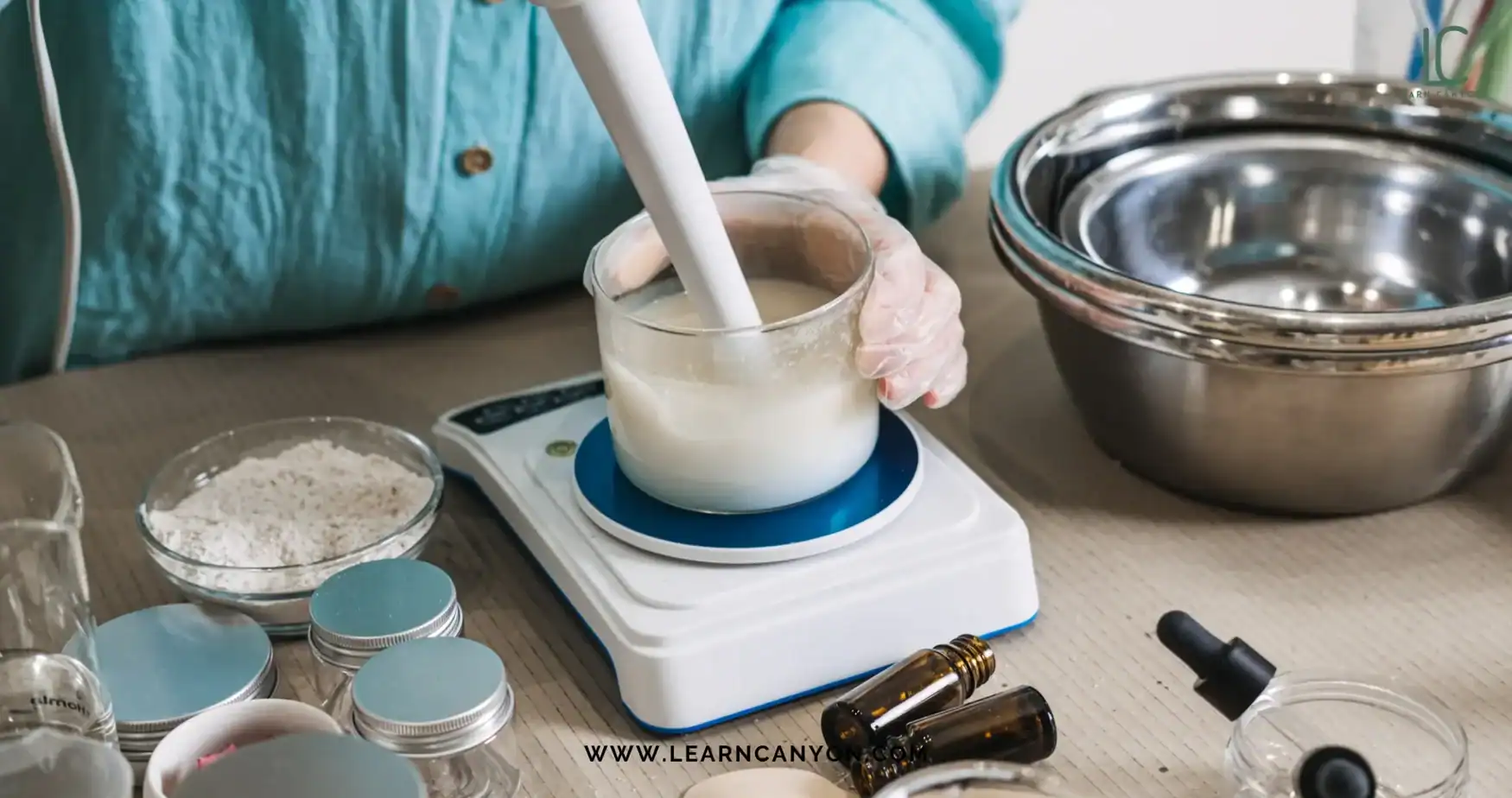
It tells you to combine water, oils, an emulsifier, a thickener, and a preservative. You follow every step, and eventually, you have something that looks like a cream.
That’s exciting, especially when it’s your first attempt.
But here’s something worth thinking about.
What would you do if the cream separated after a week? What if you wanted a lighter texture? What if your supplier discontinued one of the ingredients?
Would you know how to make those changes?
This is where the difference between following recipes and understanding cosmetic formulation becomes clear.
Learning the Science Behind Your Ingredients
When professional formulators develop products, they don’t simply choose ingredients because they’re popular or sound impressive.
They consider what each ingredient contributes to the formulation.
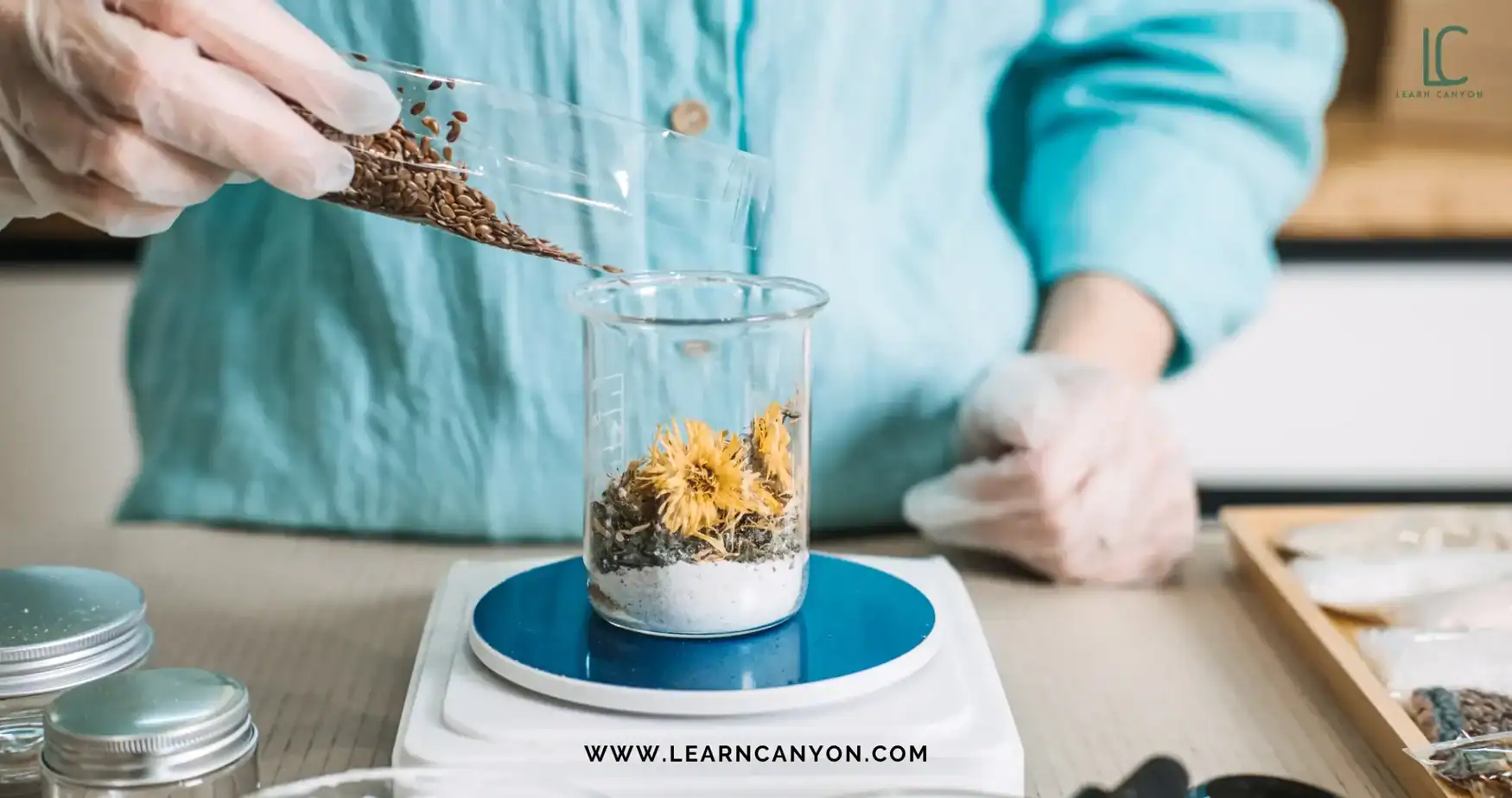
An oil might improve skin feel. A humectant may help attract and retain moisture. An emulsifier helps create a system where oil and water can remain dispersed together.
But these ingredients also need to work within the same formulation. Their concentrations, compatibility, manufacturing requirements, and influence on product stability all matter.
You don’t have to master every aspect of cosmetic chemistry immediately. But the earlier you start learning these principles, the easier it becomes to understand what you’re doing in the laboratory.
Start Small – You Don’t Need to Formulate Everything at Once
One of the most common things we notice among aspiring formulators is the excitement to make everything.
A facial serum today. A shampoo tomorrow. A body butter over the weekend. Maybe even a sunscreen next week.
We understand the enthusiasm. Cosmetic formulation is fascinating, and there are so many products to explore.
But trying to learn several completely different formulation systems at once can leave you feeling overwhelmed.
Our advice is simple: choose one product category and give yourself time to understand it.
Your First Product Doesn’t Have to Be Complicated
If you’re completely new, you might begin by studying an anhydrous product, such as a body oil or balm.
These can introduce you to ingredient selection, weighing, product texture, and good manufacturing habits without immediately involving the additional complexity of water-based emulsions.
As your knowledge grows, you can progress towards lotions and creams, where you’ll need to understand emulsifiers, pH, preservation, and emulsion stability.
And don’t feel discouraged if your first attempt doesn’t turn out exactly as expected.
Even experienced formulators develop multiple laboratory trials while refining a product. The important thing is to understand what happened, document your observations, and use that information to guide your next experiment.
Get Comfortable With Cosmetic Ingredients Before Buying More
Let’s talk about something nearly every beginner experiences.
You visit a cosmetic ingredient supplier’s website, intending to purchase a few materials. Within minutes, your shopping cart is filled with botanical extracts, oils, butters, actives, emulsifiers, and ingredients you’ve never even heard of.
Everything sounds useful. But when your package arrives, you’re not entirely sure what to do with half of it.
Sound familiar?
Here’s something we’d encourage every beginner to remember: having more ingredients doesn’t necessarily make you a better formulator. Understanding your ingredients does.
Focus on Ingredient Functions First
Before purchasing more raw materials, take some time to understand the essential categories you’ll encounter in cosmetic formulation.
| Ingredient Category | What It Does |
|---|---|
| Humectants | Help attract and retain moisture |
| Emollients | Contribute softness and improve skin feel |
| Emulsifiers | Help create emulsions containing oil and water |
| Surfactants | Provide cleansing and other surface-active functions |
| Thickeners | Help modify texture and viscosity |
| Preservatives | Help protect susceptible formulations from microbial contamination |
| Chelating agents | Bind certain metal ions that can affect formulation performance |
Take glycerin and shea butter, for example. Both are commonly used in moisturising products, but they serve different functions. Glycerin is primarily a humectant, while shea butter contributes richness and emollience.
Once you understand these differences, ingredient selection becomes more intentional.
Learn to Read Technical Data Sheets
Whenever you purchase a cosmetic ingredient, don’t just read the supplier’s product description. Look at the technical data sheet.
Pay attention to its INCI name, recommended usage level, solubility, processing conditions, and compatibility information.
For some ingredients, you’ll also need to understand pH limitations, active concentration, or specific manufacturing requirements.
This might feel technical at first, but it’s one of the most valuable habits you can develop. Over time, you’ll become much more confident when deciding whether an ingredient actually belongs in your formulation.
Cosmetic Chemistry Doesn’t Have to Feel Intimidating
Many aspiring formulators worry that they need an advanced chemistry degree before they can start learning.
While professional cosmetic formulation certainly involves scientific knowledge, you can begin by understanding the fundamentals and gradually build your technical expertise.
You don’t need to learn everything overnight. Start with the concepts that directly influence the products you want to create.
Understanding Why Creams Sometimes Separate
Imagine you’ve made a beautiful facial cream. On the first day, everything looks perfect.
A few days later, you notice a layer forming at the top. Eventually, the cream begins to separate.
What happened?
There could be several reasons. Perhaps the emulsifying system wasn’t appropriate for the formulation. Maybe the manufacturing temperature, mixing process, or ingredient balance affected the emulsion structure.
Understanding emulsification and stability helps you investigate these possibilities instead of randomly adding more emulsifier and hoping the problem disappears.
Why pH and Preservation Deserve Your Attention
Another area beginners often overlook is preservation.
Just because a product contains natural-origin or botanical ingredients doesn’t mean it’s automatically safe from microbial contamination.
Water-containing cosmetic products generally require a suitable preservation strategy, and its effectiveness needs to be verified through appropriate testing.
The pH of a formulation can also influence ingredient stability, preservative performance, and product suitability.
These details may seem less exciting than choosing beautiful oils or botanical extracts, but they’re fundamental to developing products responsibly.
A successful cosmetic formulation needs more than an appealing texture. It needs to be appropriately evaluated for stability, safety, and performance.
Learn Formulation Percentages Before You Start Experimenting
If you’ve been making cosmetics using teaspoons, tablespoons, or drops, it’s time to become comfortable with percentages.
Professional cosmetic formulations are generally developed using weight-based percentages. This allows you to manufacture different batch sizes while maintaining the intended proportions of ingredients.
For example, if glycerin makes up 3% of a 100g formulation, you’d need 3g. If you increase the batch size to 500g, you’d need 15g.
The largest ingredient – usually water – is often listed as q.s. to 100%, which means adding a sufficient amount to bring the total formulation to exactly 100%.
Of course, formulation mathematics eventually becomes more detailed. You’ll need to understand how to calculate the water required to complete a formulation to 100%, account for ingredient concentrations, and make adjustments without accidentally changing the overall balance.
It takes practice, but becoming confident with these calculations will make your formulation work more accurate and organised.
Set Up a Simple Workspace and Start Thinking Like a Formulator
You don’t need a large laboratory or expensive equipment to start practising basic cosmetic formulation.
What you do need is a clean, organised workspace and equipment appropriate for the products you’re making.
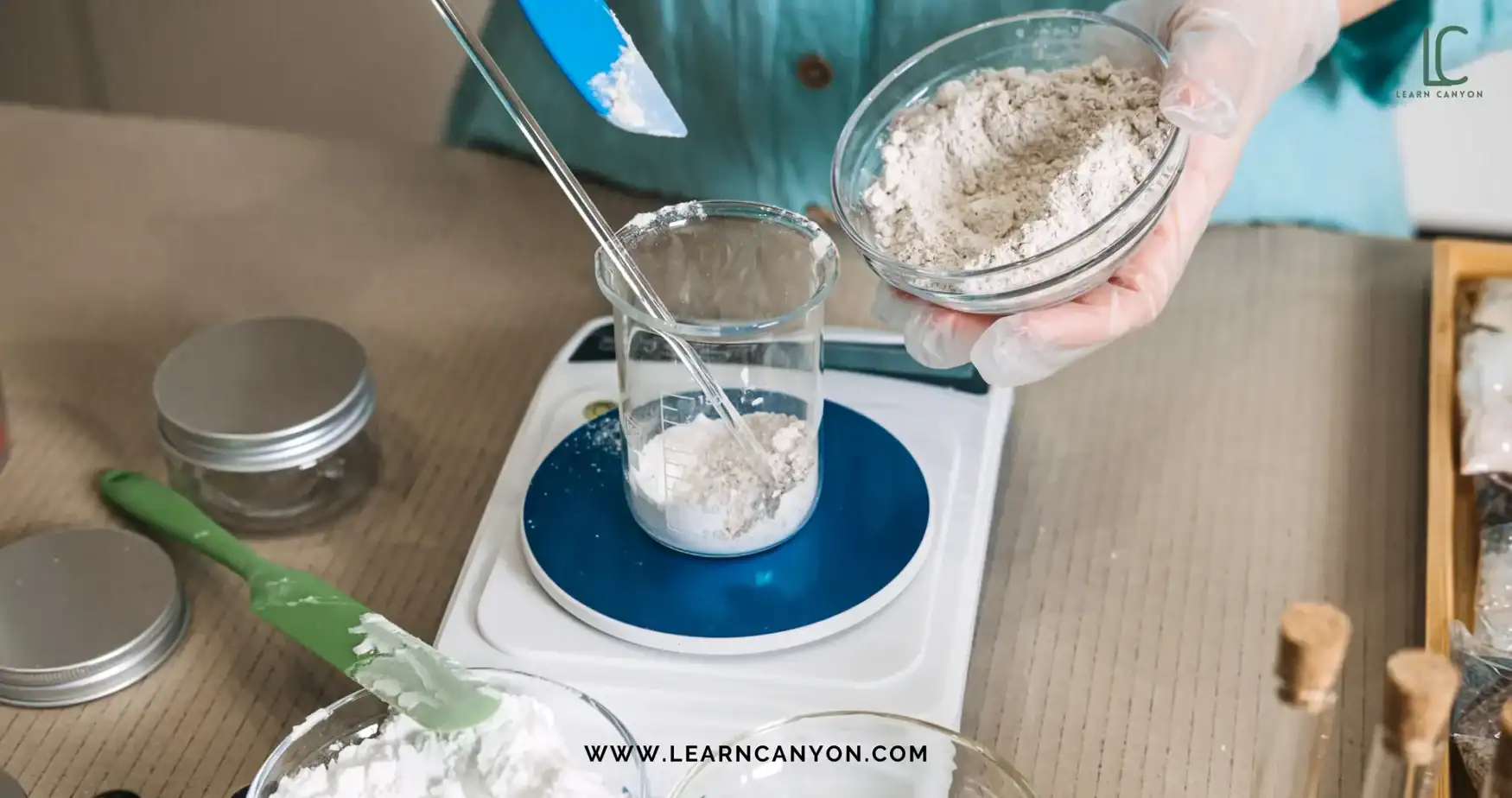
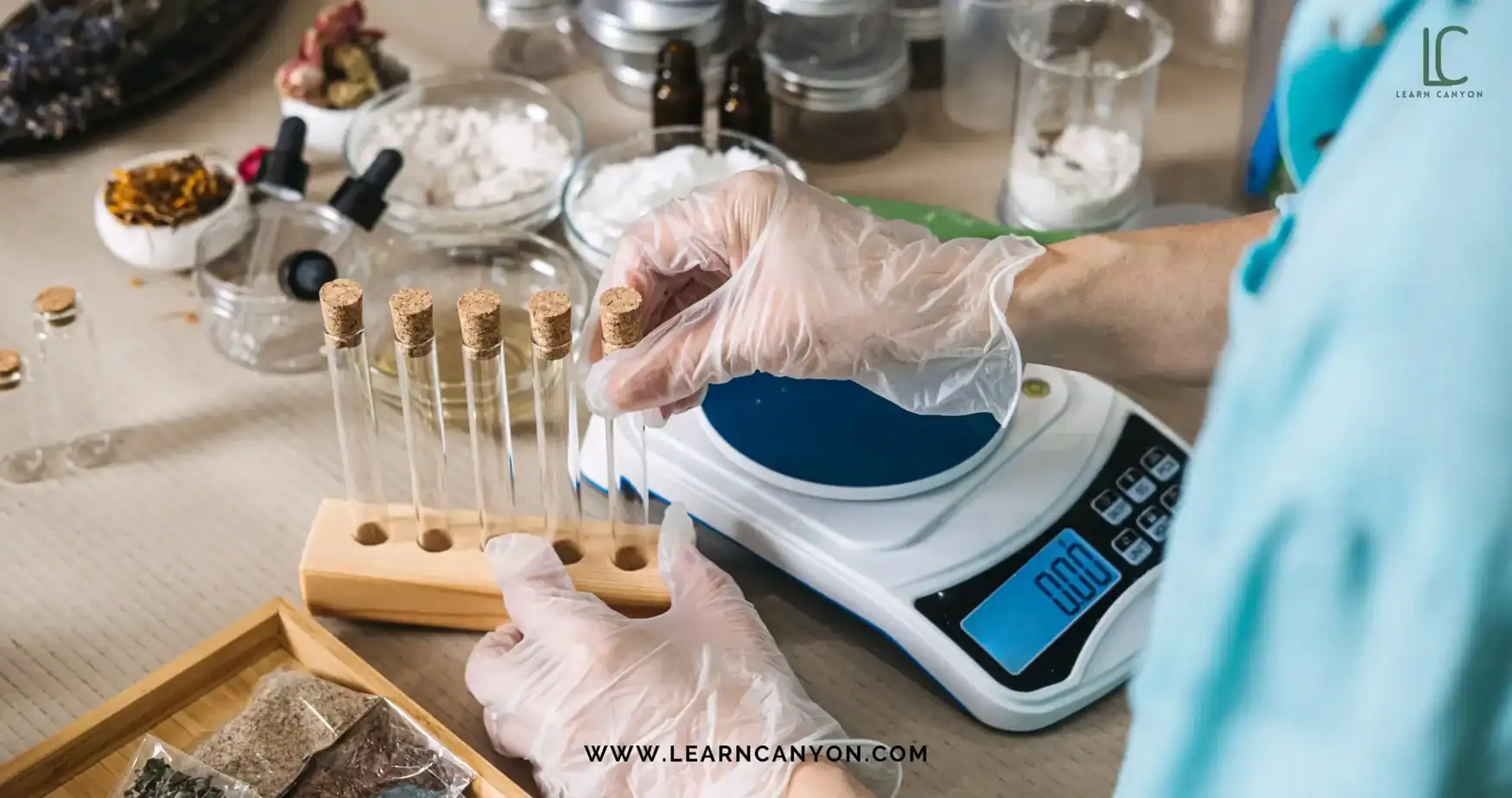
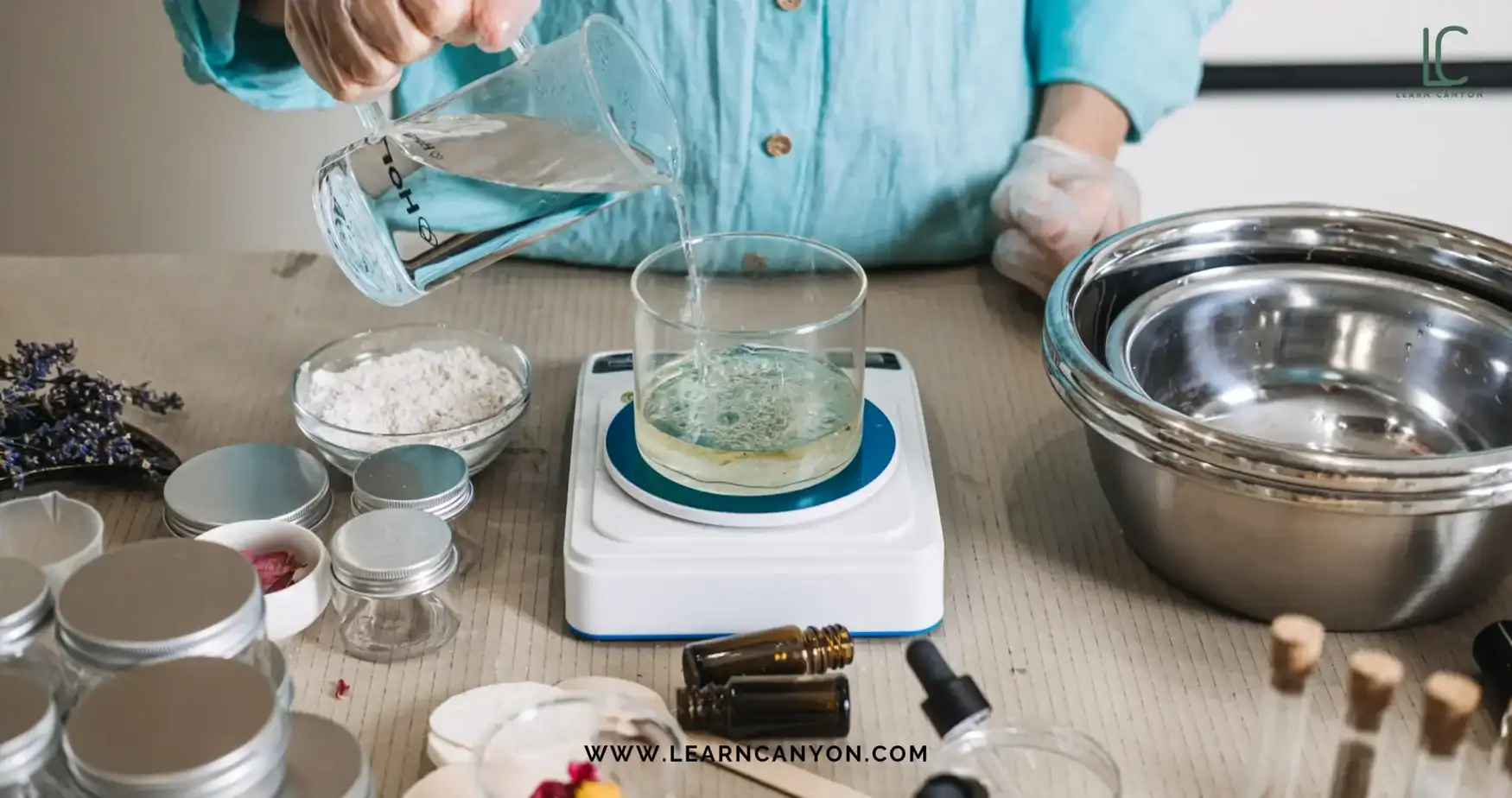
A beginner’s setup may include a precision weighing balance, suitable beakers, a thermometer, mixing equipment, a calibrated pH meter for applicable formulations, and appropriate protective equipment.
Start with smaller experimental batches, where practical, so you can learn without wasting unnecessary quantities of ingredients.
The One Habit That Will Make You a Better Formulator
Keep a formulation journal.
It might sound simple, but you’ll be surprised how useful it becomes. Every time you make a product, record the ingredients, percentages, batch size, processing temperatures, manufacturing steps, and observations.
Did your cream become thicker after 24 hours? Did your balm develop a grainy texture? Did the colour change during storage?
Write it down.
When you decide to improve a formulation, try changing one relevant variable at a time wherever practical. This makes it easier to understand how a particular change influenced the result.
Your First Formulation Doesn’t Need to Be Perfect
We often see beginners becoming discouraged when a product doesn’t turn out as planned.
You’ve spent money on ingredients, followed the procedure carefully, and expected to have a beautiful finished product. Instead, the texture is wrong – maybe it’s too thick, too thin, sticky, greasy, or unstable.
It’s frustrating, especially when you’re just starting.
But here’s something important to understand.
A formulation that doesn’t perform as expected can still teach you something valuable, provided you investigate it properly.
The mistake isn’t necessarily that your first cream separated. The bigger problem is making the same cream repeatedly without understanding what might be causing the separation.
Learn to approach your experiments with curiosity and structure. Observe what happened. Review your formulation. Check your ingredient information and manufacturing process. Identify possible causes, then design an appropriate next trial.
A product that looks good immediately after manufacturing hasn’t automatically passed stability or safety testing. If you eventually plan to sell your cosmetics, you’ll need appropriate product testing, safety assessment, documentation, and regulatory compliance.
Don’t Rush Into Launching a Skincare Brand Before Learning Formulation
For many beginners, learning cosmetic formulation is connected to a bigger dream. You want to create your own products, build a skincare brand, and offer something meaningful to customers.
That’s an exciting goal.
But before investing in packaging, branding, and product photography, make sure you understand the technical foundations of the products you want to develop.
Beautiful packaging cannot compensate for an unstable formulation. And a trending ingredient doesn’t automatically make a product effective.
The strongest starting point is to understand your target product, its ingredients, manufacturing requirements, testing needs, and intended claims.
You don’t necessarily need to manufacture every product yourself to become a skincare brand founder. But a sound understanding of formulation will help you communicate with manufacturers, evaluate product development decisions, and ask better questions.
Building that knowledge early can help you avoid expensive mistakes later.
Give Yourself a Structured Learning Path
One of the reasons cosmetic formulation can feel confusing is that beginners often learn from disconnected information.
You watch one tutorial about emulsifiers, another about preservatives, and a third about making a vitamin C serum. Each lesson might teach you something useful, but you may still struggle to understand how everything fits together.
That’s why learning in a structured sequence can make such a difference.
Start with the basics of ingredients and cosmetic chemistry. Then build your understanding of formulation calculations, manufacturing processes, preservation, and stability. As your confidence grows, progress into more advanced formulation systems and practical troubleshooting.
Learning Cosmetic Formulation With Learn Canyon
At Learn Canyon, we believe cosmetic formulation education should help you understand more than just how to follow a recipe.
Our professional formulation courses are designed to guide aspiring formulators through ingredient knowledge, formulation principles, practical techniques, and the technical considerations involved in developing cosmetic products.
Whether you’re learning for personal interest, professional development, or because you dream of creating your own cosmetic brand, having a structured learning path can make your journey more purposeful.
We want learners to understand the reasoning behind formulation decisions, rather than simply memorising instructions.
So, Where Should You Actually Begin?
If you’ve made it this far and you’re still wondering what your very first step should be, here’s what we’d suggest.
Don’t start by purchasing twenty new ingredients. Don’t try to develop five products over the weekend. And don’t feel pressured to understand every technical term before you begin.
Start by choosing one product category that genuinely interests you.
Learn the basic ingredient functions. Study how that type of product is structured. Understand the equipment and calculations involved. Then begin practising through carefully documented experiments.
Give yourself permission to learn gradually.
Because becoming a confident cosmetic formulator isn’t about how quickly you can make a cream. It’s about reaching a point where you understand what you’re making, why each ingredient is there, and how to evaluate and improve your work.
Common Questions About Cosmetic Formulation for Beginners
Can I learn cosmetic formulation without a chemistry background?
Yes. While professional cosmetic formulation involves scientific knowledge, you can begin by understanding the fundamentals and gradually build your technical expertise. You don’t need to learn everything overnight. Start with the concepts that directly influence the products you want to create – such as ingredient functions, emulsification basics, pH, and preservation. A structured course designed for beginners will help you build that foundation step by step.
What is the best first product for a beginner cosmetic formulator?
If you’re completely new, an anhydrous product such as a body oil or balm is an excellent starting point. These introduce you to ingredient selection, weighing, product texture, and good manufacturing habits without the additional complexity of water-based emulsions. Once comfortable, you can progress towards lotions and creams, where you’ll need to understand emulsifiers, pH, preservation, and emulsion stability.
Why do homemade creams separate?
Cream separation usually points to a problem in the emulsification system. The emulsifier may not be appropriate for the formulation, the phase ratio may be off, or the manufacturing temperature and mixing process may have affected the emulsion structure. Understanding emulsification and stability helps you investigate and fix these issues systematically rather than randomly adjusting ingredients and hoping for a different result.
How do I calculate cosmetic formulation percentages?
Professional cosmetic formulations use weight-based percentages. The formula is: Ingredient weight = (Ingredient percentage / 100) x Total batch weight. For example, if glycerin is 3% of a 100g batch, you need 3g. Scale to 500g and you need 15g. The largest ingredient – usually water – is often listed as q.s. to 100%, meaning you add enough to bring the total to exactly 100%.
Ready to Take Your Cosmetic Formulation Skills Further?
If you’re passionate about learning the science behind skincare, haircare, and cosmetic products, we’d love to help you build that foundation.
At Learn Canyon, our goal is to make professional cosmetic formulation education accessible to aspiring formulators who want to develop genuine technical understanding and practical skills.
We don’t teach you to follow recipes. We teach you to understand why every decision is made – so that over time, you can create and refine products with real confidence.
Explore Cosmetic Formulation Courses at Learn Canyon and take your next step towards becoming a more knowledgeable and confident formulator.