If you have been in the skincare world for any amount of time, you have heard the word “glow” used to describe everything from serums to supplements to jade rollers. It is one of those words that has been stretched so far it sometimes feels meaningless.
But as a formulator, glow is actually one of the most technically interesting things you can work toward — because real, lasting radiance is not a product of one ingredient. It is the result of a complete, well-designed system.
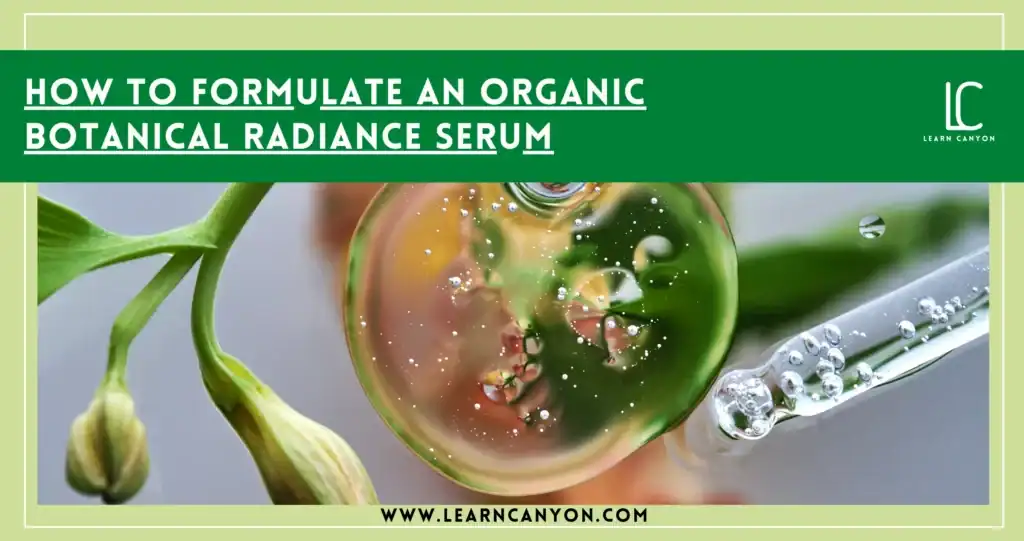
In this blog, we are going to break down how to professionally formulate an organic botanical radiance serum from the ground up. Not just what ingredients to use, but why you use them, how they work together, what can go wrong, and how to think about the formula like a professional.
This is the kind of formulation thinking we teach inside the Diploma in Organic Skincare and Haircare Formulation at Learn Canyon — and we are bringing a piece of that depth to you here.
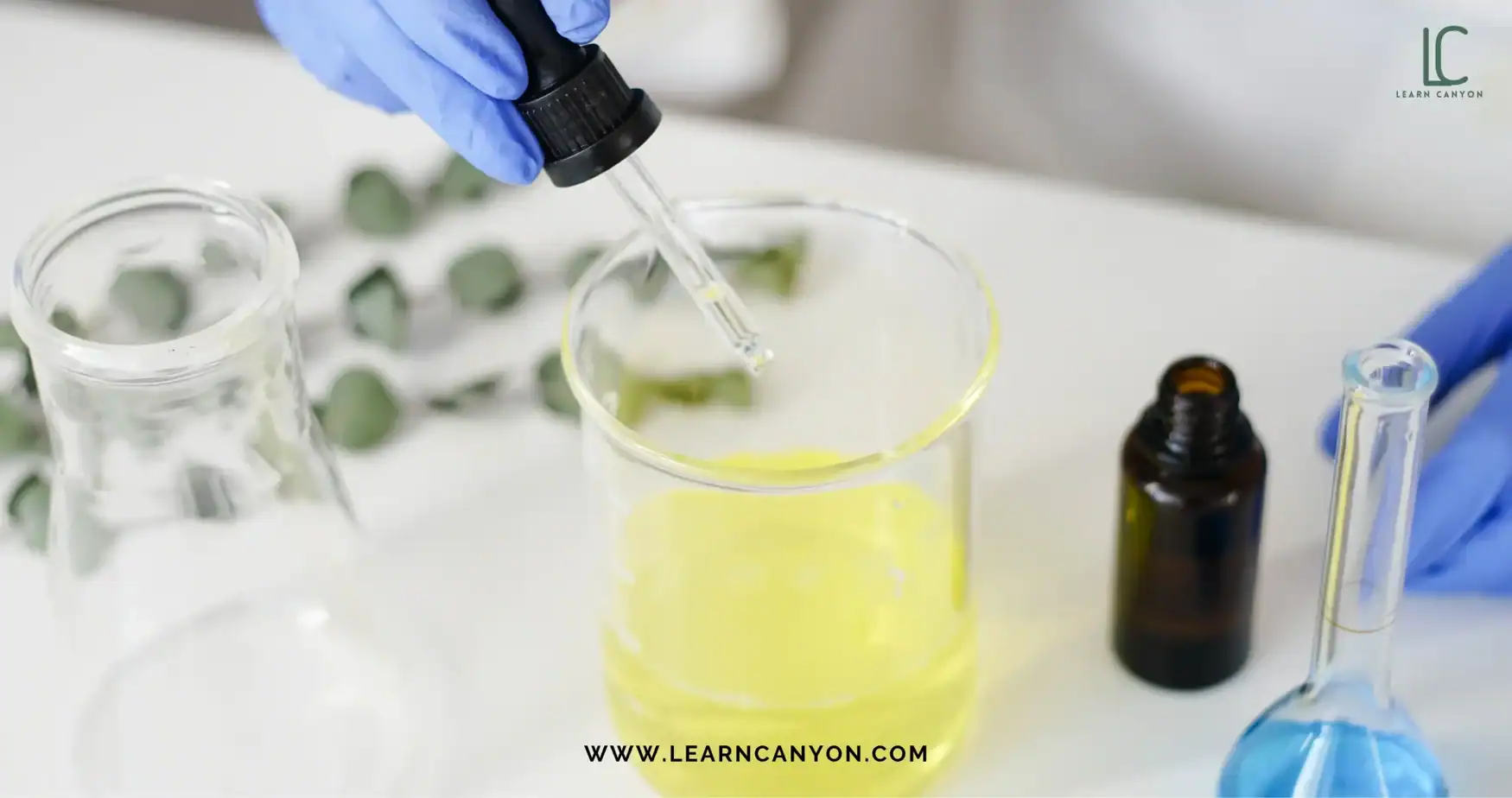
What Is a Botanical Radiance Serum, Really?
A botanical radiance serum is a lightweight, water-based product designed to make the skin look and feel more hydrated, calm, even-toned, and naturally luminous — using plant-derived ingredients rather than synthetic actives.
The word “serum” gets misused quite a bit. Technically, a serum is simply a lightweight product, usually water-based — that delivers concentrated ingredients to the skin. It is not defined by a particular texture or any one ingredient. What makes it a serum is the intent: to work efficiently, absorb quickly, and deliver functional ingredients in a stable, elegant vehicle.
In organic formulation, this typically means:
- Plant hydrosols as the aqueous base (not just plain water)
- Aloe vera juice for its functional skin-soothing and hydrating profile
- Botanical extracts chosen for antioxidant, calming, or radiance-supporting properties
- Natural humectants to attract and hold moisture
- A gum-based thickener for elegant gel-serum texture
- A properly chosen broad-spectrum preservative system
One important thing to say upfront: an organic serum is not a less effective product. When formulated well, it can deliver a genuinely beautiful skin experience that a thoughtful consumer will love and return to.
Why Does Skin Actually Look Dull? (And Why This Matters for Your Formula)
Before you can design a formula to address dullness, you need to understand what causes it. This is a step many beginner formulators skip — and it shows in the product.
Dull skin is not a single condition. It is a description of an outcome that can have multiple causes:
- Dehydration — when the skin lacks water, it looks flat and rough rather than plump and reflective
- Barrier disruption — a compromised barrier loses moisture and becomes inflamed, which scatters light unevenly
- Environmental oxidative stress — pollution, UV exposure, and free radicals dull the skin’s surface over time
- Accumulation of surface cells — without gentle and regular exfoliation, dead skin cells can build up and reduce light reflection
- Poor circulation and fatigue — tired or stressed skin often looks grey and lifeless
- Uneven skin texture — texture differences cause irregular light reflection, which reads as dullness
This is exactly why this serum is designed around five functional pillars rather than one trending botanical. More on that shortly.
The Five Pillars of a Professional Organic Glow Serum
Think of these as the non-negotiables. Every ingredient in a well-designed glow serum should fit into at least one of these categories — and the best ingredients serve more than one function.
Pillar 1Hydration
Hydration is not optional — it is foundational. Skin that lacks water cannot look radiant. It looks flat, creased, and tired. Humectants are ingredients that attract water molecules, either from the environment or from deeper layers of the skin, and hold them at the surface.
For an organic formula, excellent humectant options include:
- Vegetable glycerin — reliable, effective, and widely accepted in COSMOS and Ecocert certification
- Aloe vera juice — a multitasking ingredient that hydrates, soothes, and contributes to skin feel
- Betaine — a gentle osmolyte derived from sugar beet that also helps reduce the tackiness of glycerin-heavy formulas
- Sodium PCA — a naturally occurring humectant that mimics the skin’s own moisturisation factors
Vegetable glycerin is one of the most effective humectants available, but it needs to be used at the right percentage. In a serum, 3–6% total glycerin is usually where you want to be. Go above 8–10% and you risk a sticky, uncomfortable skin feel — especially in humid climates. This is exactly why betaine is included alongside glycerin in this formula: it smooths out the feel and gives the product a more sophisticated finish.
Botanical Calm
Here is something that does not get talked about enough: irritated skin does not glow. Inflammation causes redness, uneven tone, and barrier disruption — all of which contribute to dullness. A glow serum that ignores the calming function is working against itself.
Botanical calming agents serve two purposes here: they make the formula genuinely more comfortable and effective, and they allow it to be used daily without accumulating irritation over time.
- Chamomile hydrosol — rich in bisabolol and apigenin, both of which support a calm, even-looking complexion
- Rose hydrosol — gentle and skin-loving, also adds a premium sensory and brand story to the product
- Aloe vera juice — works here as both a humectant and a calming agent
- Calendula extract — a beautifully comforting botanical with a long history of use in sensitive skin formulation
Antioxidant Support
Environmental stressors — UV radiation, pollution, blue light — generate free radicals that damage skin cells and contribute to dullness, uneven tone, and premature ageing. Antioxidants help neutralise these free radicals before they cause further damage.
In organic formulation, antioxidants come from botanicals rich in polyphenols, flavonoids, catechins, and tannins. These are naturally occurring plant defence compounds, and they perform very well in skincare.
- Green tea extract — one of the most researched antioxidant botanicals available; rich in EGCG (epigallocatechin gallate)
- Pomegranate extract — high in ellagic acid and punicalagins
- Hibiscus extract — contains anthocyanins and vitamin C precursors
- Amla extract — exceptionally high in natural vitamin C
- Rosehip extract — rich in carotenoids and tocopherols
Gentle Radiance Support
This is where the “glow” part of the formula comes in — but approached responsibly. In professional organic formulation, we do not reach for harsh exfoliating acids or high-percentage vitamin C at low pH to create radiance. Instead, we use botanicals that have traditional and emerging evidence for supporting a brighter, more even-looking complexion.
- Licorice root extract — contains glabridin, which is one of the most studied plant compounds for supporting a more even-looking skin tone; works by gently modulating melanin activity
- Hibiscus extract — supports smoother, fresher-looking skin; contains mild naturally occurring acids
- Amla extract — dual-purpose antioxidant and radiance-supporting ingredient
- Turmeric extract — useful in very small amounts for an antioxidant and warming skin-tone effect, but must be used carefully due to potential staining
These ingredients support the appearance of brightness and evenness. They are not the same as medical depigmentation treatments. A professionally made organic serum can deliver genuinely noticeable results over time — but your claims need to reflect that honestly. We will cover claims in detail later.
Texture and Skin Feel
A serum that feels sticky, slimy, or heavy will not get consistent use — no matter how well-formulated the actives are. Texture is a formulation variable, not an afterthought, and getting it right is one of the marks of a professional product.
For a lightweight gel-serum, the standard approach is to use a small amount of a clear gum to provide body and structure without weighing the formula down.
- Xanthan gum clear — a microbially fermented polysaccharide that creates an elegant, clear gel texture; easy to work with for beginners
- Sclerotium gum — creates a more silky, skin-like feel; excellent in luxury positioning
- Hydroxyethylcellulose (HEC) — plant-derived, creates a clean, non-stringy texture; accepted in many natural certifications
Keep xanthan gum clear in a serum between 0.2% and 0.45%. Below 0.2% you will lose structure. Above 0.5% the serum can become stringy, ropy, or drag on the skin — none of which feels premium. Always disperse the gum in glycerin before adding to your water phase to prevent clumping.
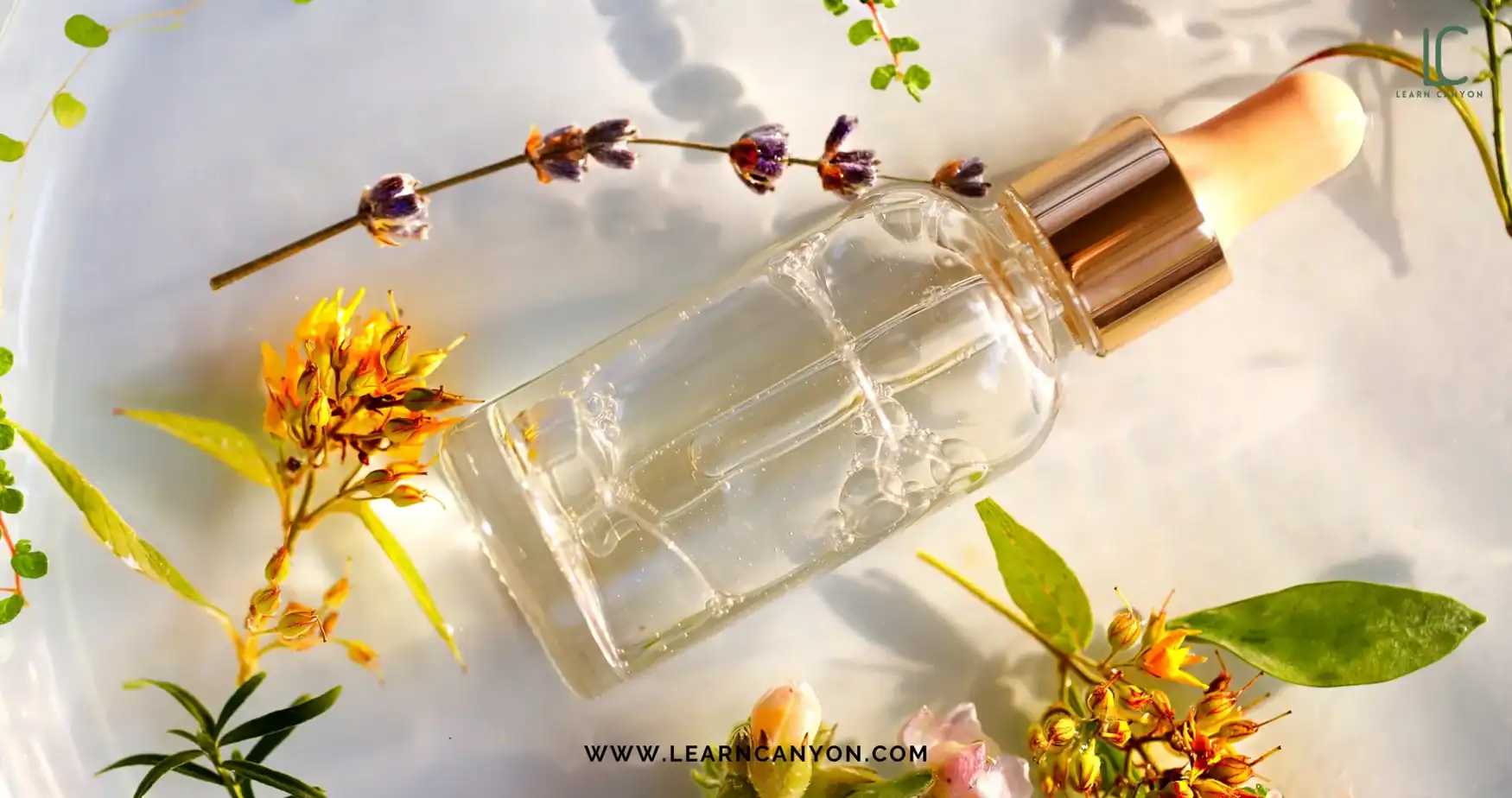
Botanical Dew Glow Serum
This formula is designed as a teaching formula — meaning it is built to illustrate principle-based formulation decisions. Every ingredient is included for a reason. Nothing is filler.
Product Type: Water-based organic gel serum
Skin Types: Normal, dry, dull, tired-looking, sensitive
Skin Feel: Lightweight, fresh, hydrating, non-greasy
Target pH: 5.0 to 5.5
| Phase | Ingredient | % |
|---|---|---|
| Phase A | Organic Aloe Vera Juice | 40.00% |
| Phase A | Organic Rose Hydrosol | 25.00% |
| Phase A | Organic Chamomile Hydrosol | 15.00% |
| Phase A | Organic Vegetable Glycerin | 4.00% |
| Phase A | Betaine | 2.00% |
| Phase B | Xanthan Gum Clear | 0.35% |
| Phase B | Organic Vegetable Glycerin (for slurry) | 2.00% |
| Phase C | Organic Green Tea Extract | 3.00% |
| Phase C | Organic Licorice Root Extract | 3.00% |
| Phase C | Organic Calendula Extract | 2.00% |
| Phase C | Organic Hibiscus Extract | 2.00% |
| Phase C | Sodium Phytate | 0.20% |
| Phase C | Broad-Spectrum Natural Preservative | 1.00% |
| Phase C | Citric Acid or Lactic Acid Solution | q.s. |
| Phase C | Distilled Water | q.s. to 100% |
A target pH of 5.0 to 5.5 sits within the skin’s natural slightly acidic range. This is important for two reasons: it supports the skin’s acid mantle (which is a key part of barrier function), and it is compatible with most natural preservative systems. Always check your specific preservative supplier’s recommended pH window before finalising.
Ingredient Deep-Dive: Why Each One Earns Its Place
Let us go through every ingredient and explain the decision-making behind it. This is the part that separates a formulator from someone who just follows a recipe.
| Ingredient | Why It Is In This Formula |
|---|---|
| Organic Aloe Vera Juice | Aloe is the workhorse of this formula’s water phase. It is not just a watery filler — it contains polysaccharides, amino acids, and enzymes that soothe, hydrate, and support the skin barrier. It also contributes to a smooth, silky skin feel. At 40%, it forms the dominant aqueous base. For an organic formula, using a certified organic aloe juice (not powder reconstituted without disclosure) is important for both performance and integrity. |
| Organic Rose Hydrosol | Rose hydrosol does several things here. It replaces a portion of plain distilled water with a value-added botanical, it contributes gentle skin-comforting compounds including geraniol and phenylethyl alcohol, and it positions the product in the premium organic segment. From a sensory perspective, a light rose note also contributes to product experience without needing added fragrance. |
| Organic Chamomile Hydrosol | Chamomile hydrosol brings bisabolol and apigenin to the water phase. Both compounds are recognised for their calming and comforting properties on sensitised skin. Together, rose and chamomile hydrosols create a water phase that is functionally richer than plain water — and they reinforce the formula’s skin-calming narrative. |
| Vegetable Glycerin (Phase A) | Glycerin is one of the best-studied humectants available. At 4% in Phase A, it supports water retention at the skin surface and improves the formula’s overall hydration delivery. It is also a COSMOS-approved ingredient, making it straightforward to use in certified formulations. |
| Betaine | Betaine, derived from sugar beet, is both a humectant and a skin-feel modifier. Its key functional role in this formula is to counteract the potential tackiness of glycerin. It creates a smoother, more elegant finish and is very gentle — suitable even for sensitive or reactive skin. |
| Xanthan Gum Clear (Phase B) | Xanthan gum provides the gel structure of the serum. The ‘clear’ grade is specifically chosen for serums because it forms a transparent gel — important for a product that should look clean and refined. At 0.35%, it provides enough viscosity for a light gel-serum without creating ropiness or drag on the skin. |
| Vegetable Glycerin (Phase B) | This second portion of glycerin is used specifically to create the gum slurry. Dispersing xanthan gum in glycerin before adding it to the water phase is a critical processing step — it prevents dry clumping and ensures the gum hydrates evenly. If you skip this step, you will get lumps. |
| Organic Green Tea Extract | Green tea extract is one of the most well-researched antioxidant botanicals available to formulators. It is rich in catechins, particularly EGCG, which are potent free-radical scavengers. It supports the formula’s environmental-stress-defence narrative and is effective for skin exposed to daily pollution and urban stressors. |
| Organic Licorice Root Extract | Licorice root extract is included here as the formula’s primary radiance-supporting active. Its key compound, glabridin, works by supporting a more even distribution of melanin at the skin surface, without bleaching or stripping the skin. It is gentle enough for daily use and suitable for sensitive skin. At 3%, it contributes meaningfully to the formula’s performance story. |
| Organic Calendula Extract | Calendula is included as the formula’s primary comfort and skin-support botanical. It is exceptionally well tolerated, even by reactive skin, and helps ensure the serum does not accumulate any irritation with daily use. It also reinforces the ‘botanical’ identity of the product in a way that resonates strongly with conscious beauty consumers. |
| Organic Hibiscus Extract | Hibiscus contributes anthocyanins and a natural source of mild exfoliating compounds (including citric and malic acid in their natural, low-concentration form within the extract). It supports a fresher, smoother skin appearance and acts as an antioxidant. Note: claims about hibiscus as a ‘botox plant’ are marketing language and should be avoided in professional or regulatory contexts. |
| Sodium Phytate | This is a professional-grade addition that many beginners overlook. Sodium phytate is a chelating agent derived from phytic acid, a naturally occurring compound in plant seeds. It binds metal ions (calcium, iron, magnesium) that may be present in water, botanical extracts, or packaging. Metal ions can destabilise preservatives, accelerate oxidation, and cause colour or odour changes. At 0.20%, sodium phytate quietly protects the formula’s stability and preservative efficacy. |
| Broad-Spectrum Natural Preservative | Any water-containing product — regardless of how ‘natural’ or ‘organic’ it is — requires an effective broad-spectrum preservative. This means coverage against bacteria, yeast, and mould. Examples of commonly used natural and Ecocert/COSMOS-compatible options include Geogard ECT, Preservative Eco, and Geogard Ultra. Always follow supplier dosage and pH guidelines, and conduct challenge testing (preservative efficacy testing) before commercialisation. |
Step-by-Step Manufacturing Method
This method is written for small-batch lab production. Scale and equipment will differ at manufacturing scale, but the principles remain the same.
Step 1Sanitise Everything
Before you begin, clean and sanitise your workspace, all beakers, utensils, scale, spatulas, and any packaging components you will be using. Use 70% isopropyl alcohol or your lab’s standard sanitisation protocol.
This is not just good practice — it is a formulation safety baseline. A water-based product is a perfect environment for microbial growth, and contamination introduced at the manufacturing stage can compromise even a well-preserved formula.
Step 2Prepare Phase A (Water Phase)
Weigh out the aloe vera juice, rose hydrosol, chamomile hydrosol, vegetable glycerin (Phase A portion), and betaine into a clean beaker.
Stir gently until the mixture is uniform. Avoid vigorous mixing at this stage — you are working with hydrosols and aloe, not a phase that needs emulsification. Introducing excessive air bubbles at this stage makes the finished serum harder to fill cleanly.
Step 3Prepare the Gum Slurry (Phase B)
In a separate small beaker, combine the xanthan gum clear with the Phase B vegetable glycerin. Mix until you have a uniform paste — the gum should be thoroughly wetted by the glycerin.
This step is critical. Xanthan gum added directly to a water phase will clump immediately on contact with water, forming lumps that are extremely difficult to disperse even with prolonged mixing. The glycerin pre-dispersion eliminates this problem.
Step 4Hydrate the Gum
While stirring the water phase continuously, slowly add the gum slurry. Do not add it all at once.
Once incorporated, allow the mixture to hydrate and thicken for 20 to 30 minutes. The serum will gradually increase in viscosity. If you have a low-speed mixer, use it here. If you are working by hand, stir gently every few minutes.
The formula should look like a light, smooth gel with no visible lumps. If lumps are present, continue stirring — do not heat, as heat is not required for xanthan gum hydration at this concentration.
Step 5Add Phase C Botanicals
Once the gel is smooth and well-hydrated, add the botanical extracts, sodium phytate, and any other Phase C ingredients (except preservative and pH adjuster) one at a time, stirring gently between each addition.
Work slowly here. Adding multiple extracts too quickly makes it difficult to see if anything is affecting the colour, texture, or clarity of the gel.
Step 6Add Preservative
Add your chosen preservative according to the supplier’s dosage and incorporation instructions. Some preservatives are added neat; others may need to be pre-dissolved in a small amount of water or glycerin.
Mix well but gently. Avoid high-speed mixing if the formula is already at target viscosity — you risk thinning the gel or introducing bubbles.
Step 7Check and Adjust pH
Using a calibrated pH meter, check the pH of the formula. The target is 5.0 to 5.5.
If the pH is above 5.5, add a small amount of citric acid or lactic acid solution (typically a 10% w/w aqueous solution) in small increments, stirring well after each addition. Recheck after each adjustment. Do not rush this step — overshooting the target pH is easy and difficult to correct.
Lactic acid is often preferred over citric acid in serum formulas because it also has some mild humectant properties and a skin-compatible feel.
Step 8Rest, Recheck, and Evaluate
Allow the formula to rest for two to four hours, then check:
- pH (it may shift slightly as the gum finishes hydrating)
- Appearance — clarity, colour, any particles or haze
- Texture and viscosity
- Odour
Only proceed to filling once the formula looks stable and consistent.
Step 9Fill into Packaging
Fill into amber glass dropper bottles, opaque airless pumps, or frosted serum pumps. Avoid clear packaging — the botanical extracts in this formula are sensitive to light, and UV exposure will accelerate colour change and ingredient degradation.
Label, seal, and move immediately to your stability monitoring protocol.
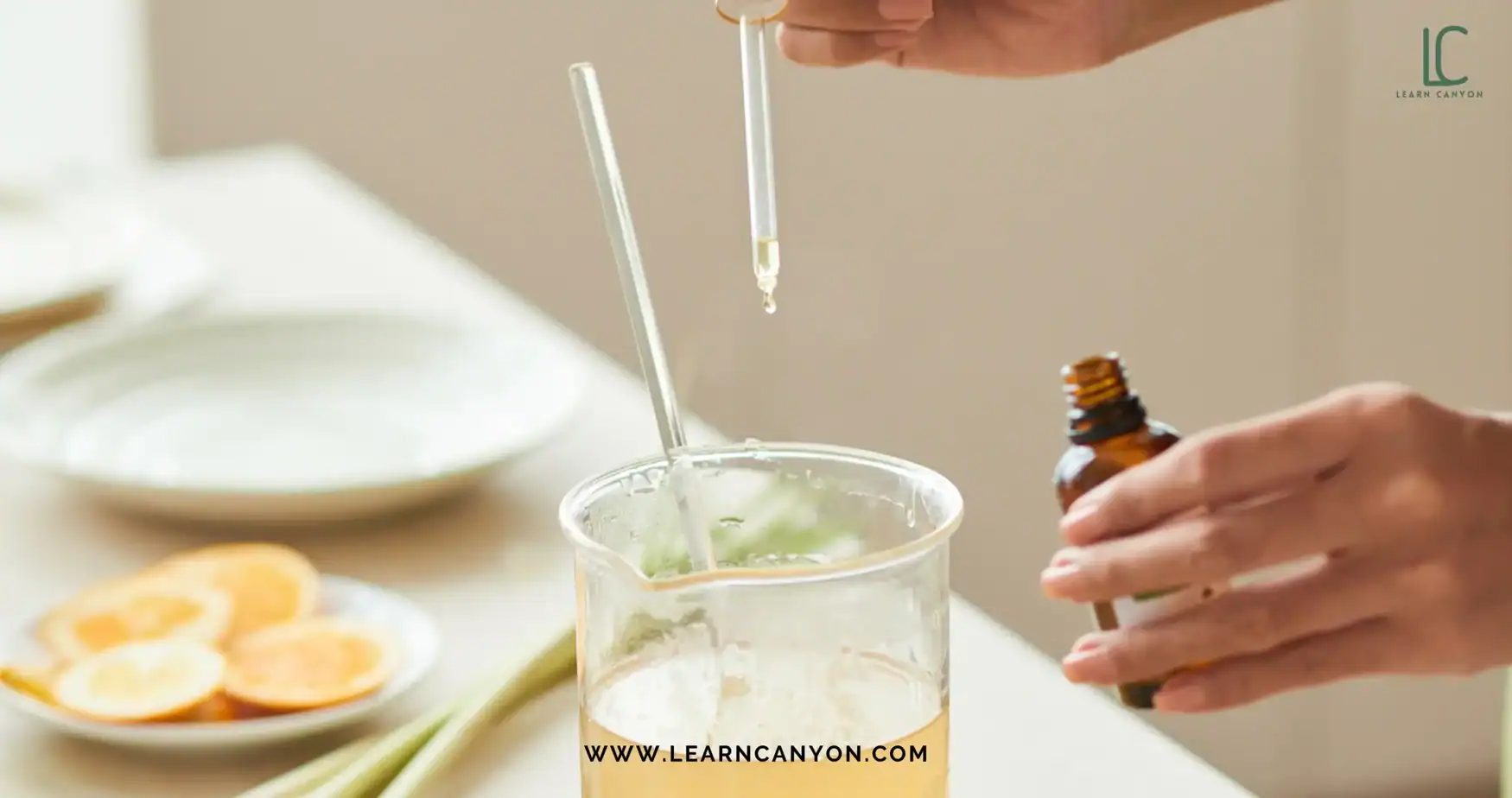
Stability Testing: What to Monitor and Why
Stability testing is not optional, it is a professional and ethical obligation. Before you sell a product, teach it as a finished formula, or launch it as a brand, you need evidence that the product remains safe, effective, and consistent over time.
For a botanical serum like this one, key parameters to monitor include:
- Appearance — any change in clarity or the development of haze, particles, or separation
- Colour — botanical extracts naturally affect colour; monitor for unexpected darkening or fading
- Odour — off-notes can indicate oxidation or microbial activity
- pH — a shift outside the 5.0–5.5 range may affect preservative performance
- Viscosity — thinning can indicate gum breakdown
- Preservative efficacy — challenge testing (PET) should be conducted by an accredited lab before commercialisation
- Packaging compatibility — the formula should be tested in its actual intended packaging
- Temperature stability — typically tested at 4°C (refrigerator), 25°C (ambient), 40°C (accelerated), and sometimes freeze-thaw cycles
Storing samples at 40°C for 4–8 weeks is a commonly used accelerated stability protocol. Results at 40°C do not perfectly predict real-world shelf life, but they give you early warning of potential stability issues before you invest in long-term room-temperature testing. Always conduct both.
Common Formulation Mistakes — And How to Avoid Them
This is the most serious mistake a beginner can make. There is a persistent myth in natural beauty communities that organic or botanical products do not need preservatives. This is not just incorrect — it is genuinely dangerous.
Any product containing water, aloe juice, hydrosols, or botanical extracts has the potential to support microbial growth. Contaminated product can cause eye infections, skin infections, and in severe cases, systemic illness in vulnerable users.
Vitamin E (tocopherol), rosemary antioxidant, and grapefruit seed extract are antioxidants, not preservatives. They protect oils from going rancid. They do not protect water-based formulas from bacteria, yeast, and mould.
More is not better. Botanical extracts are complex mixtures of hundreds of compounds. Adding too many different extracts into one formula means:
- More potential for unexpected interactions between extract components
- Increased colour and odour challenges
- Higher risk of compromising preservative efficacy
- Stability becomes harder to predict and manage
Choose your extracts with intention. Each one should serve a defined functional purpose in the formula.
pH affects skin compatibility, preservative function, and formula stability. It must be measured with a calibrated pH meter, not litmus strips or pH paper. Paper gives an approximate reading that is not precise enough for skincare formulation.
Calibrate your meter before each use with two pH buffer solutions (pH 4.0 and pH 7.0 are standard for skincare). Clean the electrode between uses. Replace the electrode when readings become inconsistent.
Clear glass or plastic bottles are aesthetically appealing, but they expose the formula to UV and visible light, which accelerates the degradation of plant-derived pigments and photoactive compounds. Your green tea extract will turn brown. Your licorice extract colour will shift. The formula will not look or perform the same after a few weeks on a bright bathroom shelf.
Always test your final formula in its intended packaging, stored under the conditions your customer is likely to keep it.
Regulatory language matters. In most markets, a cosmetic product can claim to improve the appearance of skin. It cannot claim to treat, cure, or permanently alter a medical condition.
This means you need to choose your words carefully. See the claims section below for specific guidance.
Writing Claims: Getting the Language Right
Getting your claims right is not just about legal compliance — it is about building consumer trust. Overclaiming might drive a short-term sale, but it will cost you credibility and potentially regulatory trouble in the long term.
| ✔ You Can Say This | ✘ Avoid Saying This |
|---|---|
| “Supports a fresh, dewy-looking complexion” | “Removes pigmentation” |
| “Hydrates and comforts tired-looking skin” | “Treats dark spots or melasma” |
| “Rich in antioxidant botanicals” | “Whitens or lightens the skin” |
| “Supports the look of naturally radiant skin” | “Works like a clinical brightening treatment” |
| “Leaves skin feeling soft, calm, and refreshed” | “Reverses skin ageing” |
| “A lightweight botanical serum for everyday glow” | “Repairs damaged skin” |
| “Formulated with plant-derived humectants and soothing botanicals” | “Hibiscus: the botox plant” (a marketing claim, not a cosmetic claim) |
If you are selling in multiple markets, claims compliance will vary by jurisdiction. Canada (CCPSA), the European Union (EC 1223/2009), the United States (FTC Act and FDA guidance), and the United Kingdom (UK Cosmetics Regulation) all have different language standards. Always work with a regulatory consultant when commercialising across borders.
Packaging Recommendations for This Serum
Packaging is a formulation decision, not just a branding decision. The wrong packaging can undermine a well-made formula.
Best packaging choices for this formula:
- Amber or dark blue glass dropper bottle — classic, sustainable, UV-protective, and ideal for premium positioning
- Opaque airless pump — excellent for minimising oxidation and contamination, very professional finish
- Frosted serum pump — aesthetically appealing while offering some light protection
- Dark glass treatment bottle — works well for hero-ingredient-led positioning
Avoid these packaging options:
- Clear glass or plastic bottles — expose the formula to light degradation
- Open jars — risk of contamination from repeated finger contact
- Packaging with poor-fitting closures — allows air ingress and increases oxidation risk
- Any packaging that has not been tested with the actual formula — compatibility must be confirmed
Suggested Usage Instructions
How a product is used affects how it performs — and how it performs affects how customers feel about it. Well-written usage instructions are part of the product experience.
- Apply 2 to 4 drops to clean, dry skin
- Press gently into the skin — do not rub vigorously
- Follow with your regular moisturiser
- Use once or twice daily, morning and evening
- In the morning, always follow with a broad-spectrum sunscreen
For sensitive skin, we recommend patch testing before first use and starting with once-daily application.
Formulation Is Not About Following a Recipe
A beautifully formulated organic serum is not about following a recipe. It is about understanding the skin, understanding your ingredients at a functional level, making deliberate decisions, and then testing and refining your work.
Every ingredient in the Botanical Dew Glow Serum is there because it serves a defined purpose. The aqueous base is not just water — it is a carefully selected combination of aloe and hydrosols. The texture is not just added for aesthetics — xanthan gum at the right level creates a product that feels luxurious without being heavy. The extracts are not random botanicals thrown together because they sound nice — each one addresses one or more of the five pillars of a professionally designed glow formula.
This is the depth of thinking we bring to every module inside the Diploma in Organic Skincare and Haircare Formulation at Learn Canyon.
You will not just learn what to mix. You will learn why each ingredient belongs, how the formula behaves under different conditions, how to test and validate your work, how to write claims responsibly, how to design for different markets, and how to build products that you are genuinely proud of.
Because once you understand formulation at this level, you do not need to copy recipes. You can create originals.
Ready to Go Deeper? Join students from over 60 countries inside the Diploma in Organic Skincare & Haircare Formulation at Learn Canyon — and learn to formulate with the confidence and depth of a professional.