
A complete professional reference on lip balms, lipsticks, glosses & lacquers from structure to stability
A lipstick is not just wax, oil, and pigment. A balm is not just butter and beeswax. A gloss is not just shiny oil in a tube. And a lip lacquer is definitely not just a thicker gloss. Each of these products has its own structure, its own physics, its own failure modes and its own very specific formulation logic. When you understand that logic, you stop copying recipes and start designing products with intention.
Why Lip Products Demand a Different Formulation Mindset
Before we get into ingredients, I want to address something that doesn’t get said often enough: lip products are genuinely one of the more technically demanding categories in cosmetic formulation. Not because they’re complex to make at small scale most lip balms come together in under an hour but because so many things can quietly go wrong, and those problems don’t always surface until weeks later, or when the product meets a different climate.
The skin on the lips is thinner than skin elsewhere on the face. It has no hair follicles, very few sebaceous glands, and almost no melanin for UV protection. It’s constantly exposed to environmental stress wind, cold, dry air, temperature changes and it’s in near-constant motion. Products applied here need to meet a genuinely demanding performance brief:
- Comfortable to wear repeatedly, not just for the first 20 minutes
- Stable across a wide range of climates and temperatures
- Smooth and even during application no dragging, patchiness, or grittiness
- Safe for a mucous-membrane-adjacent area flavor, EO choice, and pigment safety all matter here
- Resistant to sweating, graininess, separation, and surface bloom
- Shelf-stable in its packaging, not just in a sample jar on your desk
That last point is where a lot of beautiful homemade formulas fall apart. Your balm might feel wonderful on day three. But what happens after it’s been in a car in July, shipped across the country, or stored near a sunny window? Structure is what determines whether your lipstick breaks, your balm sweats, your gloss leaks, or your lacquer becomes a pigment-settled mess.
| THE FORMULATOR’S CORE PRINCIPLE Every ingredient in a lip formula has a function. When you understand those functions and how they interact you stop making formulas by feel and start making them by design. That shift is the difference between a product that works today and one that performs consistently. |
The Four Main Lip Product Types and What Each One Actually Is
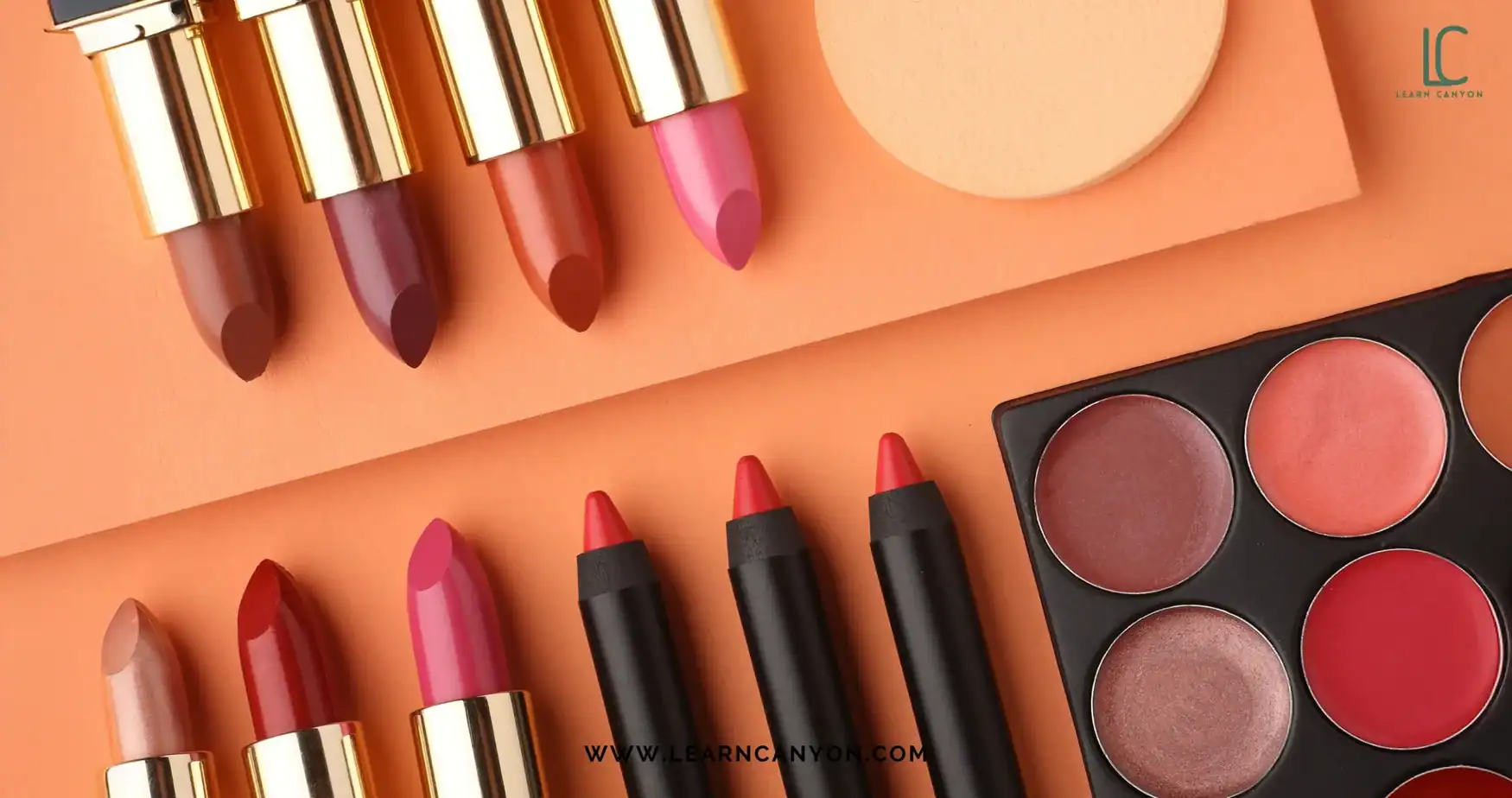
This seems obvious until you try to formulate. The mistake most beginners make is treating these as versions of the same thing with different pigment levels. They’re not. Each product has a different primary goal, a different structural requirement, and a different failure mode.
| Product | Primary Goal | Pigment Load | Structure Type | Core Challenge |
| Lip Balm | Care & protection | Low / optional | Softest of the four | Glide without greasiness or waxiness |
| Lipstick | Color payoff | High 8 to 25% | Firm bullet shape | Structure + creaminess in balance |
| Lip Gloss | Shine & juicy look | Low / shimmer | Fluid viscosity control | Stay on lips without running |
| Lip Lacquer | Color + high shine | Medium to high | Fluid but suspending | Pigment suspension + shine together |
Notice that each product type has a tension built into it. A balm needs to be soft enough to glide comfortably but structured enough not to melt. A lipstick needs to hold shape but feel creamy. A gloss needs enough viscosity to stay on the lips but not so much that it feels heavy and uncomfortable. A lacquer needs to be fluid but also suspend pigments evenly.
| That tension between competing properties is what formulation is all about. Holding them in balance is the skill. |
The Anhydrous Base What It Means and Why It Matters
The vast majority of lip products balms, lipsticks, glosses, lacquers are anhydrous, meaning they contain no water phase. This is one of those terms that gets used a lot, but understanding what it actually implies for your formulation practice changes how you work.
When there’s no water, you’re working in a single-phase system composed entirely of oils, waxes, butters, esters, pigments, micas, antioxidants, and flavor or essential oil. There’s no emulsification to manage, no HLB to calculate, no emulsifier compatibility to worry about. In that sense, anhydrous formulation can feel simpler and in many ways it is.
| COMMON MISCONCEPTION: “NO WATER = NO PRESERVATION NEEDED” This is partly true and partly misleading. Anhydrous systems don’t support microbial growth the way water-based systems do, so you don’t typically need a broad-spectrum preservative. But that doesn’t mean you can be careless.Water can be introduced during manufacturing (steam, humidity, wet equipment), during use especially in pots and jars where fingers repeatedly dip in or through condensation in packaging. Any water introduction opens the door to contamination.What you always need: antioxidant protection for your oils, clean manufacturing practices, appropriate packaging, and stability testing. |
Working anhydrous also means your entire sensory profile the feel, glide, cushion, and finish comes from your wax, butter, and oil selection alone. There’s no water phase to dilute heaviness or add slip. Every ingredient choice is amplified. This is why building your anhydrous base thoughtfully, ingredient by ingredient, is so important.
Building a Wax System the Backbone of Every Lip Product
Waxes are the structural backbone of most lip formulations. They contribute hardness, melting resistance, protective film, shape retention, and pay-off control. But here is what beginners often miss: no single wax does everything well. Professional lip formulation almost always involves a wax system a combination of waxes that together achieve what no individual wax can alone.
| ROLE 1: SOFT / FLEXIBLE WAX Provides cushion and glide. Prevents the product from feeling hard or draggy. Examples: beeswax, berry wax at lower percentages. | ROLE 2: STRUCTURE WAX Gives the product its body and bullet integrity. Prevents soft deformation. Examples: candelilla wax, rice bran wax. | ROLE 3: HIGH-MELT WAX Adds heat resistance so the product doesn’t melt at 35–40°C. Critical for warm-climate stability. Examples: carnauba wax, sunflower wax. |
Wax by Wax: What Each One Actually Does
| Ingredient | Formulator’s Notes |
| BeeswaxANIMAL / NON-VEGAN | Soft, flexible, creates a protective barrier feel. Beautiful in balms. Not vegan. Can make products feel pleasantly cushioned rather than hard. A true multi-tasker for non-vegan formulas. |
| Candelilla WaxVEGAN | Harder and more brittle than beeswax. The standard vegan substitute. Provides firmness but can create drag if overused. Critical rule: use candelilla at roughly half the level of beeswax to achieve similar hardness in vegan conversions. |
| Carnauba WaxHIGH-MELT / VEGAN | Very hard, very high melting point. Small additions typically 1–5% meaningfully improve heat resistance. Too much creates a stiff, unpleasant texture. Use sparingly, treat it as a heat-stability tool rather than a base wax. |
| Rice Bran WaxVEGAN | Good firmness with a relatively smooth payoff compared to candelilla. Works well in natural stick products. Useful in balms where you want structure without the brittleness that candelilla can introduce. |
| Sunflower WaxVEGAN | Fine crystalline structure. Can produce elegant, smooth textures when balanced well. Commonly used in natural formulations where vegan certification matters. Pairs well with softer emollients. |
| Berry / Myrica WaxVEGAN | Firm, natural, good structure. Gives a slightly dry feel compared to beeswax. Works well combined with softer waxes or butters to round out the texture. Worth exploring in natural stick products. |
| FORMULATOR’S NOTE: VEGAN WAX CONVERSIONCandelilla wax is the most common beeswax substitute, but it is harder by weight. A useful starting point: if a formula calls for 20% beeswax, try 10–12% candelilla and make up the difference with a softer oil or butter. Always retest melting point, hardness, and payoff after substitution the results will not be identical to the original. |
Butters & Oils Function First, Always
This is where I see the most formulation decisions made on instinct rather than logic. Beginners often choose butters and oils because they sound nourishing, they’ve heard good things about them, or they happen to have them on hand. That’s understandable, but it’s not how a professional formulator approaches selection.
Every butter and oil decision should start with a functional question. Before adding anything, ask: what do I need this ingredient to do in my formula?
Butters Creaminess, Structure & Nourishment
| Ingredient | Formulator’s Notes |
| Shea ButterBUTTER | Soft, nourishing, widely loved but prone to graininess if not handled carefully. Slow cooling or temperature fluctuations during manufacturing or storage can cause polymorphic shifts that show up as grittiness. Temperature-control your processing. |
| Cocoa ButterBUTTER | Adds firmness and a beautiful creamy feel. Useful in balms and sticks. Can make a formula brittle or overly hard if overused. Also prone to bloom a waxy white surface layer with repeated temperature cycling. Monitor carefully in stability testing. |
| Mango ButterBUTTER | Lighter than shea, smoother payoff. Excellent when you want nourishment without the richness or heaviness of shea or cocoa. A reliable all-rounder for lip formulation that doesn’t introduce major stability risks. |
| Kokum ButterBUTTER | Hard, dry-feeling, high melting point. Useful when you want to add structure without adding greasiness. Pairs well with softer oils to create a balanced texture. Good for summer formulas needing extra firmness. |
| Cupuaçu ButterBUTTER | Rich, cushiony, and genuinely luxurious. High water-absorption capacity. Particularly lovely in lip masks, overnight treatments, and nourishing balms where comfort and indulgence are the priority. |
| Murumuru / IllipeBUTTER | Firmer butters with high melting points. Useful in stick products that need better heat resistance alongside nourishing properties. Worth exploring in summer-focused formulations or in products intended for warm-climate markets. |
| THE GRAININESS PROBLEMShea, cocoa, and mango butter can all become grainy after formulation not because they’re poor ingredients, but because they undergo polymorphic transitions. This happens most often when the product cools too slowly, when it experiences repeated heating and cooling cycles (common in transport and storage), or when incompatible waxes or oils are present.Fast, controlled cooling during manufacturing, and stability testing under temperature-cycling conditions, are your best tools for catching and preventing this issue before it reaches your customer. |
Oils & Emollients Glide, Shine & Pigment Wetting
Oils give your lip products their glide, slip, spreadability, and shine. In color products, they also play a critical role in pigment wetting how evenly pigments disperse and how well they transfer to the lips. Choosing the wrong oil for a pigmented formula can mean the difference between a smooth, even payoff and a streaky, patchy result.
| Ingredient | Formulator’s Notes |
| Castor OilOIL COLOR ESSENTIAL | The most important oil in lip color formulation. Thick, glossy, and one of the best pigment-wetting oils available. Helps pigments disperse evenly and contributes significant shine. Present in almost every professional lipstick and gloss formula for good reason. Also contributes natural viscosity to gloss formulas. |
| Jojoba OilOIL WAX ESTER | Technically a wax ester, which gives it excellent oxidative stability. Smooth, elegant glide. Works across all lip product types a reliable, stable base oil for balms, glosses, and lipsticks alike. |
| Meadowfoam Seed OilOIL PREMIUM | Premium feel, cushiony slip, exceptional stability. One of the most oxidatively stable natural oils you can use. Elevates the sensory profile of any formula particularly lovely in high-end balms and lip oils. |
| Olive SqualaneOIL LIGHTWEIGHT | Lightweight, silky, and elegant. Reduces heaviness in rich formulas. Adds a refined, non-greasy afterfeel. Particularly useful in lipsticks and lacquers where you want comfort without drag. |
| Coconut OilOIL USE WITH CAUTION | Good slip and a pleasant melting sensation on the lips. But it softens formulas significantly, especially in warm climates. Use carefully in stick products it can be a stability liability in summer or in products destined for warm-climate markets. |
| Apricot / Sweet AlmondOIL ACCESSIBLE | Light, pleasant feel, good spreadability. Work well as base oils in balms and softer lip products. Less glossy than castor, less exceptional than meadowfoam, but reliable and widely accessible for most formulators. |
| ASK BEFORE YOU CHOOSE AN OIL→ Do I need shine?→ Do I need pigment wetting?→ Do I need cushion and slip?→ Do I need lightweight elegance?→ Do I need better oxidative stability?→ Will this oil soften the formula too much?→ Will this oil affect the melting point?→ Is this oil compatible with my pigment system? |
Pigments, Micas & Color Payoff the Most Technical Part
Color formulation in lip products is an area where technical knowledge genuinely pays off and where a lack of it shows up immediately in the finished product. Let me break down what you’re actually working with.
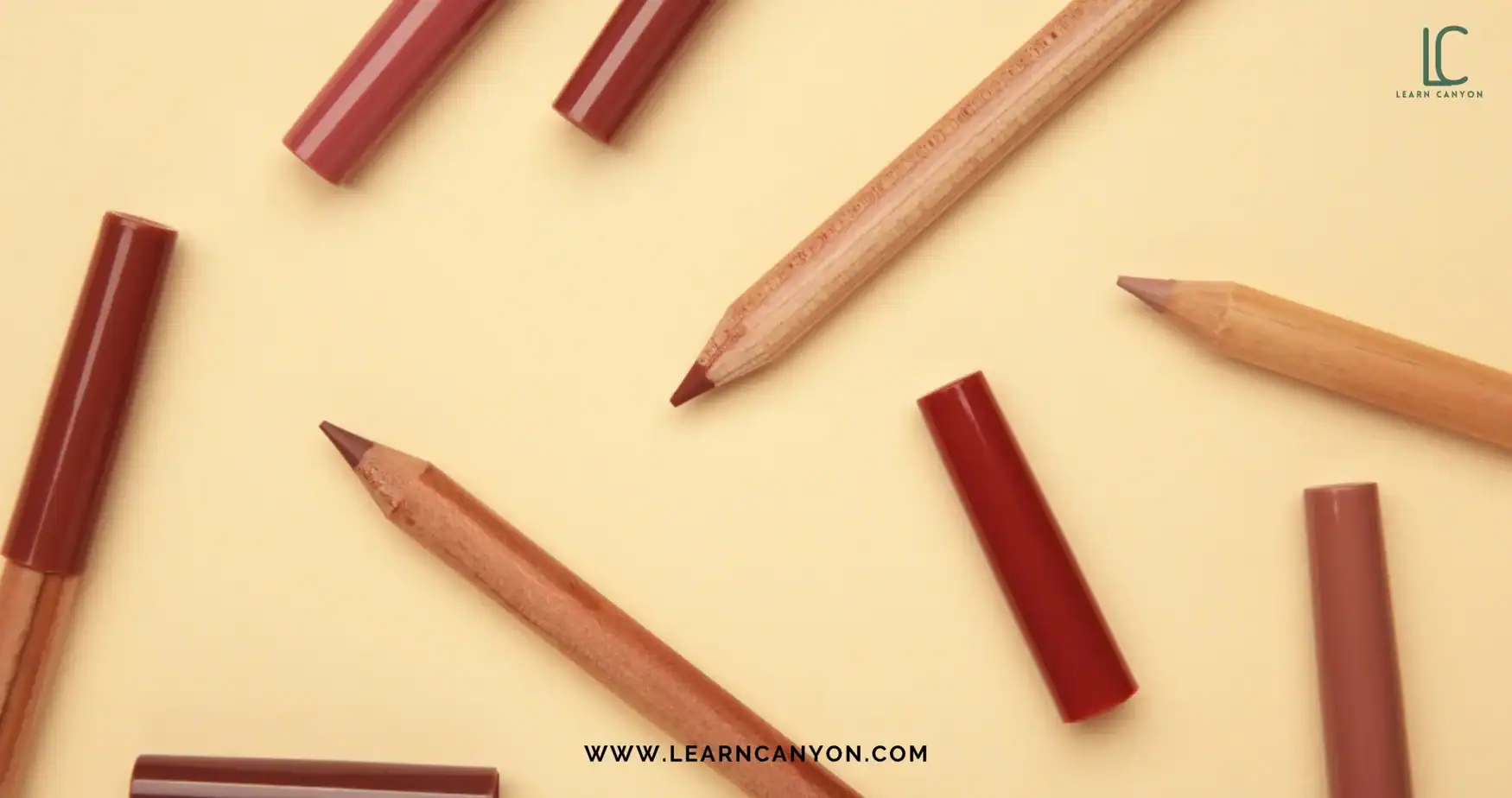
Your Color Toolkit
| Ingredient | Formulator’s Notes |
| MicasCOLORANT SHIMMER | Give shimmer, pearl, and soft color. Easier to disperse than most pigments. Excellent in glosses, balms, and shimmer products. Don’t give strong opaque coverage on their own combine with iron oxides or titanium dioxide for stronger payoff. |
| Iron OxidesCOLORANT OPAQUE | The workhorses of natural lip color. Reds, browns, blacks, nudes, corals iron oxides cover most of the natural lip color palette. Better opacity than micas. Need proper dispersion to avoid streaking and grittiness. |
| Titanium DioxideCOLORANT OPACITY | Adds opacity and brightness. Essential for pastels, nudes, and lighter shades. Must be dispersed extremely well it clumps easily and creates chalky, streaky patches if not properly ground into the oil phase before adding to the melt. |
| Ultramarines & Chromium OxidesCOLORANT COMPLEX SHADES | For cooler, more complex shades mauves, purples, greens. Subject to specific regulatory approvals depending on your market. Always verify approved use in cosmetics for your region and certification standard before using. |
Pigment Dispersion the Skill That Separates Good from Great
This is probably the most underestimated technical skill in lip color formulation. Two formulas can have identical pigment percentages and produce completely different results one smooth and even, one streaky and gritty based solely on how those pigments were dispersed.
| Pigments are not soluble in oil. They are suspended. And the quality of that suspension how completely and evenly the pigment particles are wetted and distributed determines everything about your color payoff. |
Professional practice involves pre-dispersing pigments into a suitable wetting medium usually castor oil, which is excellent for this before incorporating them into the main melt. This is done by grinding the pigments into the oil until a smooth, uniform paste is achieved, with no dry pigment particles remaining. A triple roller mill gives the best results at professional scale; at small scale, extended grinding with a palette knife or spatula is the minimum acceptable approach.
Poor dispersion causes: streaky or uneven color, gritty feel on the lips, inconsistent shade from batch to batch, speckled or patchy application, and poor color intensity despite a high pigment load. Every single one of these problems is avoidable with proper dispersion.
| DISPERSION TESTDraw out a thin layer of your pigment-in-oil dispersion on a white tile or glass slab. Look for any visible pigment specks, clumps, or uneven color. If you can see them there, you’ll feel them on your lips. Keep grinding until the swatch looks completely smooth and uniform. |
| FORMULATOR’S NOTE: THE PIGMENT LOAD PARADOXIt’s a common misconception that adding more pigment always improves color payoff. Above a certain load which varies by pigment type and dispersion quality increasing pigment actually begins to worsen application. It makes the formula drier, harder, and more prone to drag. The solution isn’t always more pigment; it’s better-dispersed pigment, with oils that wet it effectively. |
Lip Balm Structure Ranges, Rationale & Troubleshooting
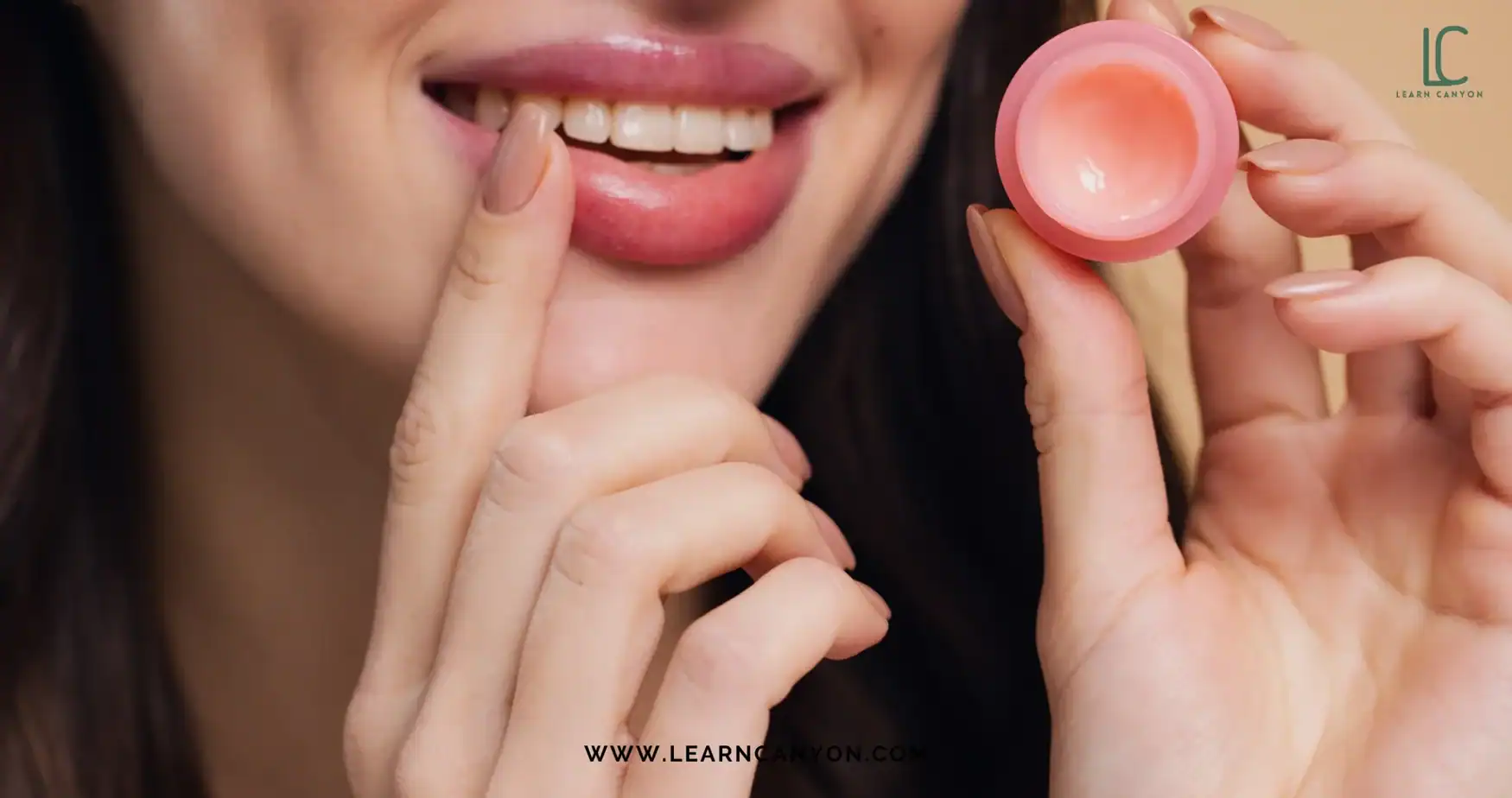
A lip balm is structurally the most forgiving of the four product types, but that doesn’t mean it’s simple. The challenge is achieving a texture that’s smooth and gliding not waxy or draggy protective without being heavy, and stable across a temperature range that might span from a Canadian winter to a tropical summer, depending on where it’s sold.
| Component | Typical Range | Formulator’s Notes |
| Waxes | 15 – 30% | Higher end for tube balms; lower for jar balms. Always build a wax blend never rely on a single wax for all structural properties. |
| Butters | 10 – 35% | Use firmer butters (kokum, illipe) for better summer stability; softer butters for a richer, more indulgent feel. Watch for graininess risk. |
| Liquid Oils | 35 – 70% | The largest phase. Drives glide, emollience, and overall skin feel. Include castor oil if shine or improved pigment wetting is desired. |
| Antioxidant | 0.2 – 1% | Tocopherol is the most common choice. This is not a preservative it protects oils from oxidative rancidity, not from microbial contamination. |
| Flavor / EO | 0.1 – 1.5% | Always safety-check for lip use specifically. Check supplier-recommended lip-safe usage rates and IFRA guidance if applicable. |
| Mica / Pigment | 0 – 5% | Optional for tinted balms. Pre-disperse in castor oil before adding to the melt. Never add dry pigments directly. |
Troubleshooting Common Lip Balm Problems
| PROBLEM | FIX |
| The balm is too hard and drags on application | Reduce your hard waxes or increase liquid oils. Check if carnauba or candelilla is too high. Try adding a softer butter like mango or cupuaçu. |
| The balm melts too easily or collapses at room temperature | Add a higher-melting wax such as carnauba or sunflower wax. Reduce coconut oil or any low-melting butters. Retest with heated stability conditions. |
| The balm feels waxy rather than smooth | The wax-to-oil ratio is off. Reduce total wax percentage, increase liquid oils, or add a cushiony emollient like meadowfoam seed oil. Re-evaluate the wax blend composition. |
| The balm has developed a grainy texture over time | Butter polymorphism check your shea, cocoa, or mango butter. Fast-cool your pours during manufacturing. Conduct freeze-thaw stability testing before launch. |
| The balm has little to no glide on the lips | Increase liquid oils, especially castor for shine and glide. Reduce wax percentage. Try a small addition of squalane for a silkier afterfeel. |
| Tinted balm has uneven or streaky color | Pigment dispersion issue. Pre-grind pigments in castor oil before adding to the melt. Never add dry pigments to a melted base and attempt to stir them in. |
Lipstick Formulation the Balance Between Structure and Payoff
Lipstick formulation is, in my view, one of the most genuinely satisfying areas of cosmetic science. It’s technical, requires real precision, and the failure modes are unforgiving. But when you get it right when a lipstick glides perfectly, deposits color evenly in one swipe, holds its bullet shape, and still feels comfortable to wear the result is a genuinely excellent product.
The core challenge: a lipstick must simultaneously hold a precise shape (strong enough to survive molding, unmolding, and repeated twisting), transfer color to the lips with one to two passes, and feel creamy and comfortable rather than waxy or draggy. Those are genuinely competing properties, and the formula has to hold all of them in balance.
| Component | Typical Range | Formulator’s Notes |
| Waxes | 15 – 30% | Build a system. Need both structure and flexibility. Higher carnauba percentage for heat-resistant summer versions. |
| Butters | 5 – 20% | Keep lower than in balms. Too much butter and the bullet softens, sweats, or breaks under pressure. |
| Oils & Esters | 30 – 60% | Castor oil is essential for pigment wetting and shine. Balance with lighter emollients for elegance and comfort. |
| Pigments | 8 – 25% | Higher pigment load requires more focus on dispersion, glide, and payoff feel. See the Pigment Dispersion Paradox note. |
| Micas / Pearls | 0 – 8% | Optional. Adds dimension and luminosity. Pre-disperse as with pigments before adding to the melt phase. |
| Antioxidant | 0.2 – 1% | Non-negotiable. Lipstick has a high oil content and oxidation is one of the primary shelf-life concerns. |
The Sweating Problem Why Lipsticks Weep Oil
If you’ve ever seen tiny oil droplets form on the surface of a lipstick especially after it’s been stored in a warm place that’s called sweating or exudation. It happens when the oil phase exceeds the absorption capacity of the wax structure. Essentially, there’s more oil in the formula than the wax network can hold in suspension at that temperature.
The causes: too much liquid oil relative to the wax system; waxes with incompatible melting behaviors; or a formula that performs well at room temperature but begins to separate when warmed during storage or transport. The fix is usually reducing liquid oils, adjusting the wax blend, or introducing a wax or ester with better oil-binding capacity.
| FORMULATOR’S NOTE: THE PIGMENT LOAD EFFECTIt is a common misconception that adding more pigment always improves color payoff. Above a certain load which varies by pigment type and dispersion quality increasing pigment actually begins to worsen application. It makes the formula drier, harder, and more prone to drag.The solution isn’t always more pigment; it’s better-dispersed pigment, paired with oils that wet it effectively. Castor oil is your most important tool here. |
Lip Gloss & Lip Lacquer Shine, Flow & the Art of Suspension
Lip Gloss
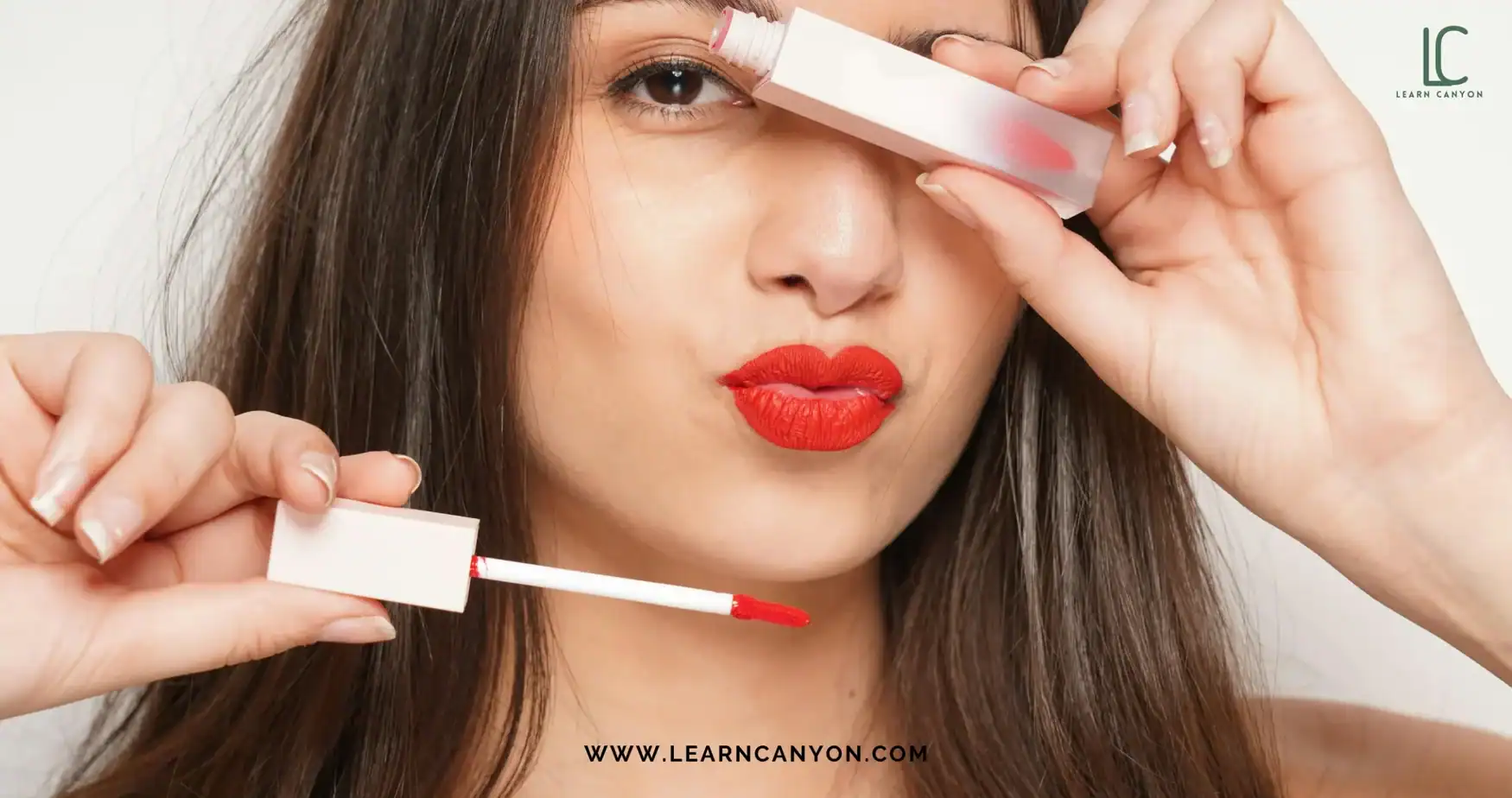
Gloss formulation is essentially viscosity management. You need a product that’s fluid enough to dispense easily from a wand and apply smoothly, but thick enough to stay on the lips rather than immediately running into fine lines. You want enough tack to support wear time, but not so much that the product feels sticky and uncomfortable.
| Component | Typical Range | Formulator’s Notes |
| Glossy Oils (castor-led) | 40 – 80% | Castor oil provides both shine AND viscosity it is the most important single ingredient in most gloss formulas. |
| Viscous Oils / Thickeners | 10 – 40% | Hydrogenated castor oil, natural waxes at low percentages, oil gelling agents. Builds body without adding significant shine. |
| Gel Structuring Agents | 1 – 10% | Used at low levels to build texture without making the product feel heavy or paste-like on the lips. |
| Mica / Pigment | 0.5 – 10% | Dispersion is critical settled pigment is immediately visible in a transparent wand applicator. Test for settling. |
| Antioxidant | 0.2 – 1% | Essential. High oil content equals significant oxidation risk over the product’s shelf life. |
A note on tack: a small amount of natural stickiness is not only acceptable in a gloss it’s part of what gives it wear. Castor oil is naturally tacky, and that’s a feature, not a flaw. The problem is when the tack becomes uncomfortable, when you can feel it pulling when you open your mouth. That’s usually a sign of too much high-viscosity or resinous content without enough slippery counterbalance from lighter oils.
Lip Lacquer the Most Technically Demanding of the Four
A lip lacquer asks the formula to do two things that are genuinely in tension: carry strong color payoff like a lipstick, and deliver the shine and fluid application of a gloss. This is why lacquers require more development iterations than the other product types, and why pigment management is so critical.
The two biggest technical challenges in lip lacquer formulation are pigment suspension and viscosity calibration. If the viscosity is too low, pigments settle in the tube and visible pigment separation in a display product is a serious quality problem. If the viscosity is too high, the product becomes heavy, sticky, or difficult to apply evenly.
| SUSPENSION STRATEGY FOR LACQUERSPigment particle size and density affect settling rate finer, lighter pigments settle more slowly. Pre-dispersing pigments thoroughly in castor oil creates a more stable suspension from the start.Increasing the overall viscosity of the base helps. Some natural formulators also use hydrogenated castor oil or wax at very low levels to create a loose gel structure that physically holds pigments in place.Test settling by letting a filled tube stand upright, undisturbed, for 2 weeks then check the wand for pigment concentration versus the bottom of the tube. Any visible difference signals a suspension problem. |
Flavor, Antioxidants, Stability & Common Mistakes
Flavor & Aroma in Lip Products More Regulated Than You Think
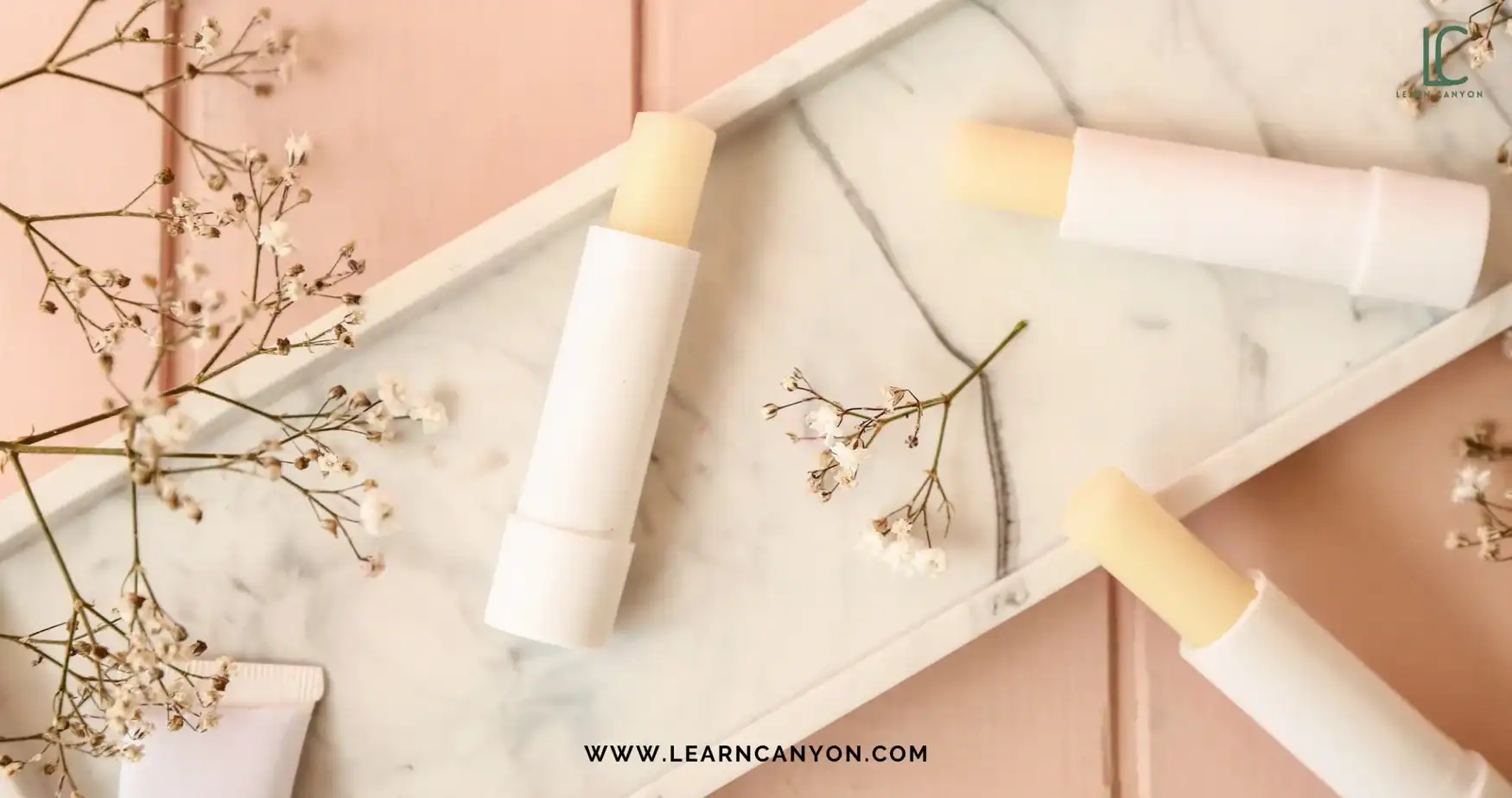
Because lip products are applied so close to the mouth and inevitably ingested in small amounts during use, flavor and essential oil selection requires significantly more care than in any other leave-on product. You cannot simply add a nice-smelling essential oil at a rate that works in a face cream and assume it’s safe on lips.
| ESSENTIAL OILS THAT REQUIRE EXTRA CAUTION IN LIP PRODUCTSCitrus oils carry photosensitization risk. Peppermint and spearmint can cause sensitization at higher levels. Cinnamon, clove, and spice oils are mucous membrane irritants. Any oil with a high allergen burden needs careful assessment.Always check IFRA guidance, your supplier’s lip-safe recommendations, and your regional cosmetic regulations before finalizing your flavor system. A beautiful lip product should never create tingling, burning, or irritation. |
For natural lip formulation, good options include: cosmetic-grade natural flavor oils specifically approved for lip use, CO2 extracts at verified lip-safe levels, vanilla oleoresin at appropriate concentrations, and fruit-inspired natural flavor blends from reputable cosmetic ingredient suppliers. Always verify usage rates with your supplier documentation.
Antioxidants Not a Preservative
Tocopherol (vitamin E) is the most commonly used antioxidant in lip products. It helps protect your oils from oxidative rancidity, which is the primary shelf-life threat in anhydrous formulations. It does not protect against bacteria, yeast, or mold. These are completely different mechanisms and they are not interchangeable confusing them is a serious formulation error.
For maximum antioxidant protection: use oxidatively stable oils where possible jojoba, meadowfoam, and squalane are excellent add tocopherol or rosemary antioxidant extract, avoid overheating delicate oils during manufacturing, and choose packaging that protects the product from light and air exposure.
Stability Testing Not Optional if You’re Selling
Even anhydrous products require stability testing. For lip products, you are looking for:
- Melting or softening does the product lose shape under heat?
- Oil sweating do droplets form on the surface?
- Graininess does texture degrade over time or through temperature cycling?
- Pigment settling does color concentrate at the bottom of gloss or lacquer packaging?
- Color change does the shade shift over time?
- Odor change does the product smell rancid or off?
- Surface bloom does a white waxy layer appear on lipstick or balm surfaces?
- Bullet breakage does the lipstick fracture at the mold line or during use?
- Packaging integrity does the tube seal hold, does the cap click properly, does the wand pick up the right amount?
| MINIMUM STABILITY PROTOCOL FOR LIP PRODUCTSHeated stability: 40–45°C for 4–8 weeks. Cool storage: refrigerator or 5°C for the same period. Freeze-thaw cycling: 3–5 cycles of -10°C to room temperature. Real-time ambient aging. Packaging compatibility. Light exposure if packaging is transparent.A lipstick that looks perfect on day one may start sweating after two weeks in a warm climate. A balm that feels smooth initially may become grainy after repeated temperature changes. You will not catch these problems without testing. |
The Most Common Mistakes in Lip Product Formulation
| MISTAKE 01 USING TOO MUCH WAXA classic overcorrection for stability. Excess wax makes a product hard and draggy. The solution to a soft formula is almost never ‘add more wax.’ It is usually a better wax system plus smarter oil choices. |
| MISTAKE 02 USING TOO MUCH BUTTEREspecially shea butter, which beginners often reach for as a nourishing ingredient without considering its effect on texture, stability, and graininess risk. Butter levels in lipstick should generally stay below 20%, and often much lower. |
| MISTAKE 03 ADDING PIGMENTS WITHOUT DISPERSING THEMThe single most common cause of gritty, streaky, uneven color in homemade lip products. Pre-disperse every pigment in castor oil before it goes near your melted base. No exceptions. |
| MISTAKE 04 USING UNSAFE FLAVOR OR ESSENTIAL OIL LEVELSOr using essential oils not suitable for lip application at all. Because lip products are used near the mouth, this is not just a comfort issue it is a safety issue. Always verify lip safety with your supplier. |
| MISTAKE 05 IGNORING CLIMATE COMPATIBILITYA formula designed and tested in a temperate kitchen may fail completely at 35°C in summer or melt in a car. Always test your products under conditions that reflect where they will actually be used and sold. |
| MISTAKE 06 COPYING PERCENTAGES WITHOUT UNDERSTANDING FUNCTIONA formula is a system. Every percentage is in relationship to every other. Changing one number without understanding what it does cascades through the whole product. Learn the ‘why’ before you adjust the ‘what.’ |
| MISTAKE 07 NOT TESTING PACKAGING COMPATIBILITYPackaging is part of the formula. The same formula can behave completely differently in different tubes, depending on material, diameter, cap seal, and wand type. Always test your formula in its actual intended packaging. |
The Pre-Formulation Checklist
Before you design any lip product, be able to answer all of these questions:
| DESIGN BRIEF CHECKLIST→ What product type am I making balm, gloss, lipstick, lacquer?→ What finish do I want matte, satin, glossy, shimmer?→ What color payoff level sheer, medium, or full coverage?→ What climate will it be sold in does it need heat resistance?→ What packaging will it use tube, pot, bullet, wand?→ What natural or certification standard applies COSMOS, vegan?→ Who is the target user their needs, preferences, sensitivities?→ What is the price point and how does that shape raw material choices?→ What is my stability testing plan before launch?→ Have I safety-assessed my flavor and essential oil choices for lip use? |
Lip formulation is one of the most creative areas of natural cosmetic science. You can design a soft healing balm, a juicy gloss, a creamy lipstick, a tinted lip oil, a high-shine lacquer, a lip mask, or even a hybrid skincare-makeup product. The category is wide open.
But the difference between a homemade recipe and a professional formula is understanding. When you understand waxes, oils, butters, pigments, melting points, texture, payoff, packaging, and stability, you are no longer guessing. You are formulating. And that is exactly what we teach at Learn Canyon.
Our Diploma in Organic Skincare & Haircare Formulation is built around one central principle: understand why every ingredient is there, how it behaves, and how it changes the final product experience. Then formulate with intention. Because a good lip product is not just pretty. It should feel beautiful, perform beautifully, and be formulated with purpose.
Diploma in Natural Makeup and Advanced Colour cosmetics