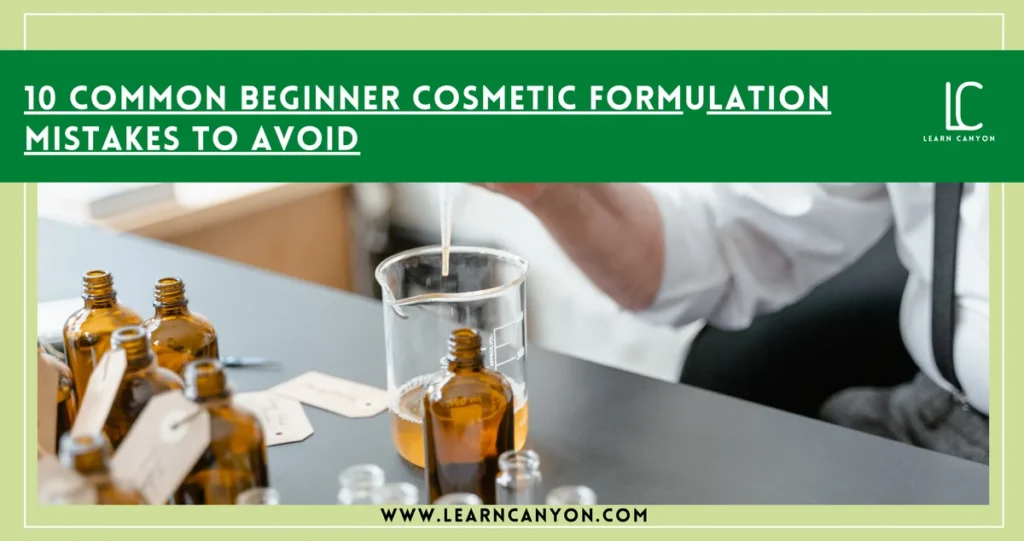
You’ve bought your ingredients, set up your workspace, and finally decided to make your first cosmetic product.
Everything seems straightforward until you actually start mixing.
Your cream separates. Your body butter develops a grainy texture. Your serum feels sticky, or your lotion turns out much thicker than you expected.
You go back to the recipe, check the quantities, and wonder what went wrong.
Perhaps you followed every instruction carefully. Maybe you even watched the tutorial twice.
So why didn’t your product turn out the way it was supposed to?
Here’s something every aspiring cosmetic formulator should understand.
Making mistakes is a normal part of learning cosmetic formulation. But understanding why those mistakes happen is what helps you become a better formulator.
Cosmetic formulation is much more than combining oils, butters, extracts, and active ingredients. It’s about understanding ingredient functionality, compatibility, manufacturing processes, preservation, and product stability.
And while it’s exciting to experiment with new ingredients, overlooking some of these fundamentals can lead to disappointing results, wasted raw materials, and potentially unsafe products.
The good news is that many beginner formulation mistakes are preventable.
Let’s explore ten of the most common mistakes beginners make, why they happen, and how you can develop better formulation habits from the very beginning.
1. Starting Without Understanding What You’re Trying to Formulate
Let’s imagine you’ve decided to make a facial moisturiser.
You open a supplier’s website, purchase a few botanical oils, an emulsifier, some glycerin, and a preservative.
Then you start wondering how much of each ingredient you should combine.
This is where the first problem begins.
You’ve selected your ingredients before deciding what kind of product you actually want to create.
A lightweight gel cream and a rich overnight moisturiser might both contain water, oils, and emulsifiers, but they require different formulation approaches.
Their textures, oil phase compositions, and structural requirements may be completely different.
Start With a Clear Product Concept
Before selecting ingredients, take a moment to define your product.
Think about its intended use, target consumer, texture, sensory characteristics, and performance expectations.
For example, instead of simply deciding to formulate a moisturiser, your objective might be to study the development of a lightweight oil-in-water facial lotion with a non-greasy finish.
This gives you a clearer direction when researching ingredients and formulation systems.
Once you have that clarity, ingredient selection becomes much more purposeful.
2. Following Cosmetic Recipes Without Understanding the Ingredients
There’s nothing wrong with learning from cosmetic recipes.
In fact, a carefully developed educational formula can be a useful way to understand manufacturing techniques and become familiar with raw materials.
The problem begins when you follow instructions without understanding why each ingredient is included.
Let’s say you’ve found a cream formulation containing glycerin, cetearyl alcohol, an emulsifier, and several botanical oils.
You follow the procedure, and the product turns out beautifully.
But what happens when you want to change its texture?
Which ingredient should you adjust?
Would increasing the oil phase make the cream richer? Would changing the emulsifier affect stability? Is the thickener responsible for the texture you’re experiencing?
Without understanding ingredient functions, these questions become difficult to answer.
Learn the Purpose of Every Ingredient
The next time you study a formulation, don’t immediately begin manufacturing it.
First, look at the ingredient list and identify what each component contributes.
- Glycerin, for example, acts primarily as a humectant.
- Cetearyl Alcohol is a fatty alcohol that can contribute to viscosity, consistency, and emulsion structure.
- An emulsifier helps create and maintain an appropriate emulsion system.
- Botanical oils may contribute emollience, skin feel, and other characteristics depending on their composition.
When you understand these functions, the formula begins to make much more sense.
And instead of memorising instructions, you start developing the knowledge needed to evaluate and eventually modify formulations responsibly.
3. Using Too Many Ingredients in Your First Formulations
This is a mistake that’s incredibly easy to make, especially when you’re passionate about skincare.
You want to create a nourishing facial cream, so you add shea butter, mango butter, argan oil, jojoba oil, aloe vera, hyaluronic acid, niacinamide, several botanical extracts, and perhaps a few essential oils.
After all, more beneficial ingredients should mean a better product, right?
Not necessarily.
Every additional ingredient introduces another variable into your formulation.
It may influence viscosity, solubility, pH, stability, preservation, or sensory properties.
And when something goes wrong, identifying the cause becomes more difficult.
A Simple Formula Can Teach You More Than a Complicated One
When you’re starting out, focus on understanding a relatively simple formulation system before adding unnecessary complexity.
For example, if you’re studying emulsification, work with an appropriate, technically reviewed basic emulsion rather than immediately introducing numerous extracts and active ingredients.
Once you understand the structure and performance of the original system, you can study how carefully selected additions influence it.
This approach makes it easier to recognise ingredient interactions and understand what each change contributes.
Remember, a formulation with twenty ingredients isn’t automatically better than one containing ten.
What matters is whether the ingredients have been selected for a clear purpose and work appropriately within the complete formulation.
4. Substituting Cosmetic Ingredients Without Checking Compatibility
Imagine you’re making a lotion and discover that you’ve run out of your usual emulsifier.
You find another product described as a natural emulsifier and decide to use it at exactly the same percentage.
The result?
Your lotion becomes too thick, develops an unusual texture, or separates during storage.
You might wonder why this happened when both ingredients perform the same general function.
But cosmetic ingredients aren’t always interchangeable.
Similar Functions Don’t Mean Identical Properties
Two emulsifiers can differ in chemical structure, composition, processing requirements, and suitability for different emulsion systems.
The same applies to surfactants, thickeners, preservatives, and botanical ingredients.
Even two botanical oils can behave differently because of variations in their fatty acid composition, viscosity, and oxidative stability.
Before substituting an ingredient, review its technical information.
Look at its recommended usage, solubility, processing conditions, compatibility, and intended function.
For commercial raw materials, also check whether you’re working with a pure substance or a supplied blend containing several components.
Stop Assuming Every Natural Ingredient Is Automatically Suitable
If you’re interested in natural and organic cosmetic formulation, remember that natural-origin ingredients still have technical limitations.
Botanical extracts may introduce electrolytes or other components that affect the behaviour of a formulation.
Certain oils may oxidise more readily than others.
And some essential oil constituents can cause sensitisation at relevant exposures.
Selecting natural ingredients should involve the same level of scientific evaluation as selecting other cosmetic materials.
The goal isn’t simply to replace an ingredient with something that sounds more natural.
It’s to ensure that the replacement is suitable for the product you’re developing.
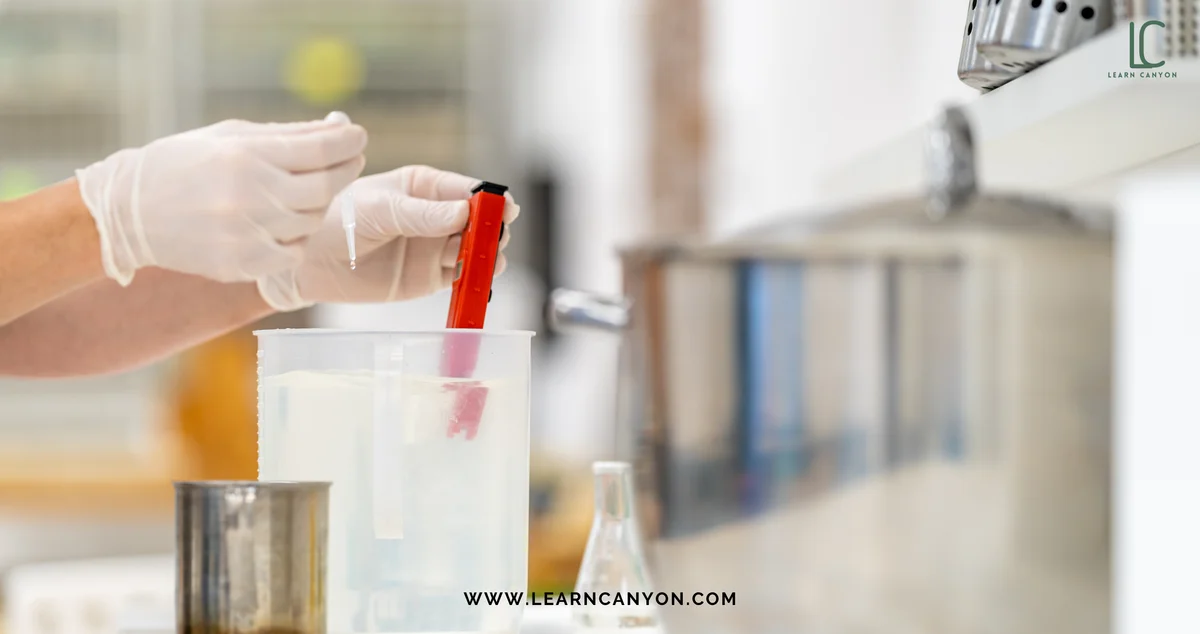
5. Making Mistakes With Cosmetic Formulation Percentages and Measurements
Let’s talk about formulation mathematics.
You might understand that glycerin is used at 3% in a formula.
But when it’s time to prepare a 250 g batch, you’re not entirely sure how much to weigh.
Or perhaps you’re still measuring ingredients using teaspoons, tablespoons, or approximate drops.
These habits can create inconsistencies, especially when working with ingredients that require precise concentrations.
Learn to Work With Weight-Based Percentages
Professional cosmetic formulations are generally expressed using percentages by weight.
The basic calculation is:
Ingredient weight (g) = Ingredient percentage ÷ 100 × Total batch weight (g)
For example, if a formula contains 3% glycerin and you’re preparing 250 g:
3 ÷ 100 × 250 = 7.5 g
You would need 7.5 g of glycerin.
It’s also important to confirm that your complete formulation totals 100%.
But percentages aren’t the only thing you need to understand.
Some cosmetic raw materials are supplied as diluted solutions or blends, so the amount you add may differ from the actual concentration of a particular active component.
This is why checking supplier documentation is so important.
Why Accurate Weighing Matters
Not every weighing balance is suitable for every ingredient quantity.
A balance displaying two decimal places doesn’t automatically mean it can accurately weigh extremely small amounts.
Choose equipment with appropriate accuracy and a suitable minimum sample weight for your work.
And remember, grams and millilitres are not interchangeable because materials have different densities.
Developing accurate weighing habits early will make your experiments easier to reproduce and your records more reliable.
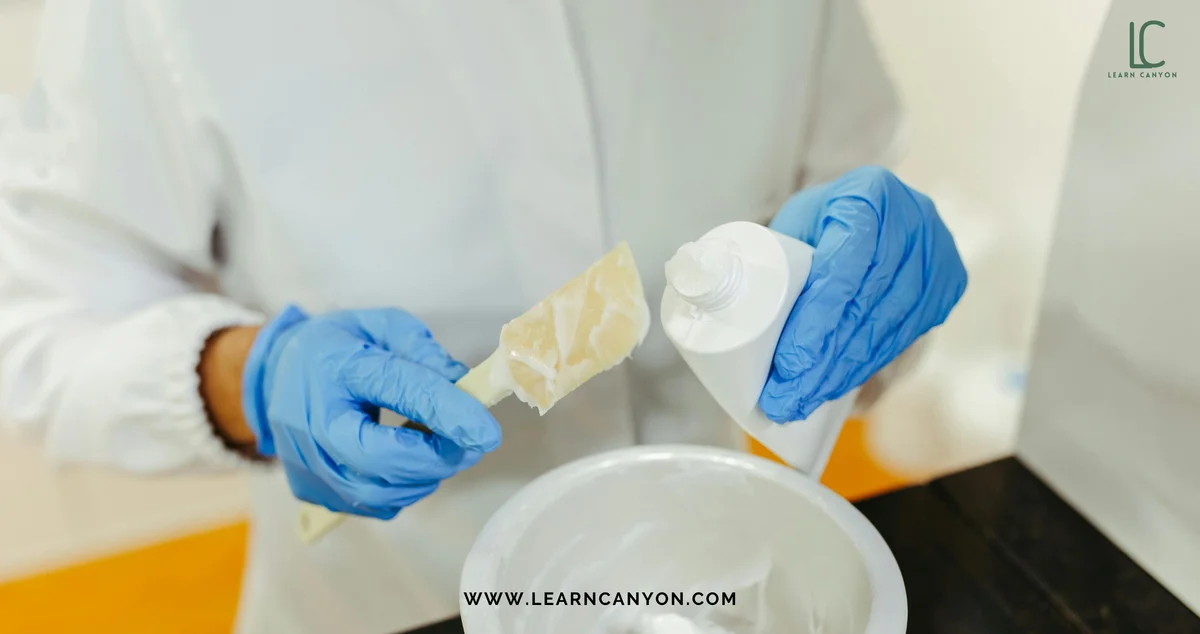
6. Ignoring Manufacturing Procedures and Working Conditions
You’ve probably seen videos where someone places ingredients into a beaker, mixes everything together, and produces a beautiful cream in just a few seconds.
But professional cosmetic manufacturing involves more than combining ingredients.
The way ingredients are heated, dispersed, mixed, cooled, and incorporated can significantly influence the finished product.
Manufacturing Conditions Can Change Your Formula
Imagine you’re working with an emulsifying system that requires specific heating and mixing conditions.
If the materials aren’t processed appropriately, the finished emulsion may not develop the intended structure.
Similarly, certain polymers require suitable dispersion or hydration procedures.
Adding them incorrectly may cause clumping, uneven thickening, or undesirable texture.
This is why you should never assume that all creams follow the same manufacturing procedure.
Follow the processing guidance appropriate to the raw materials and formulation system you’re studying.
Record temperatures, mixing conditions, ingredient addition order, and relevant observations.
Clean Equipment Is Part of Good Formulation Practice
Another important area is workspace hygiene.
Your equipment may look clean, but that doesn’t automatically mean it’s suitable for manufacturing.
Use appropriate cleaning and sanitisation procedures, handle raw materials carefully, protect ingredients from contamination, and maintain an organised workspace.
You should also pay attention to the quality of the water used in your formulation and the cleanliness of your packaging materials.
These habits are particularly important when developing water-containing cosmetics.
7. Assuming Natural Skincare Products Don’t Need Preservatives
This is one of the most important mistakes to avoid.
You create a beautiful botanical moisturiser containing water, aloe vera, glycerin, and plant extracts.
Because you’ve chosen natural-origin ingredients, you assume the product will remain safe without a preservative.
But natural ingredients aren’t automatically protected against microbial contamination.
Water-containing cosmetic products can support the growth of bacteria, yeasts, and moulds.
And microbial contamination isn’t always visible.
A product can look and smell normal while still having microbiological problems.
Understanding the Difference Between Preservatives and Antioxidants
Beginners sometimes assume that adding vitamin E is enough to preserve a cosmetic product.
However, vitamin E, commonly included as Tocopherol, is primarily used for its antioxidant properties.
It can help limit certain oxidation reactions, but it doesn’t replace an appropriate antimicrobial preservation system in a susceptible water-containing formulation.
Likewise, adding an essential oil doesn’t automatically provide reliable broad-spectrum preservation.
Preservation Must Be Evaluated in the Complete Formula
Choosing a preservative requires an understanding of the complete formulation.
Factors such as pH, ingredient interactions, packaging, and intended product use can influence preservation effectiveness.
A preservative’s recommended usage range is a starting point for evaluation, not proof that it will perform adequately in every product.
Where appropriate, preservative efficacy testing is used to assess the effectiveness of the finished system.
Anhydrous products may present different microbiological risks, particularly if water can be introduced during consumer use.
This is why preservation requirements should be assessed according to the product rather than assumed from its natural or water-free description.
8. Overlooking pH When Developing Skincare Formulations
You’ve probably heard that skincare products should be pH balanced.
But what does that mean when you’re actually formulating?
For water-based products, pH can influence ingredient compatibility, preservative effectiveness, and suitability for the intended application.
Some cosmetic ingredients have specific pH requirements.
If you overlook those conditions, you may unintentionally affect the performance or stability of your formulation.
pH Isn’t Just a Number You Adjust at the End
Imagine you’re formulating a water-based serum containing an ingredient that performs best within a defined pH range.
You might successfully disperse or dissolve the ingredient, but that doesn’t necessarily mean the finished formulation has an appropriate pH.
You need to understand the requirements of the individual ingredients and determine a suitable target for the complete product.
You should also use an appropriate measurement method and a calibrated pH meter.
For products that require pH adjustment, the adjustment process itself should be controlled and documented.
And remember, there isn’t one ideal pH for every skincare product.
The suitable range depends on the product category, formulation system, ingredients, and intended use.
Completely anhydrous oils and balms also don’t have a directly measurable pH in the same way aqueous products do.
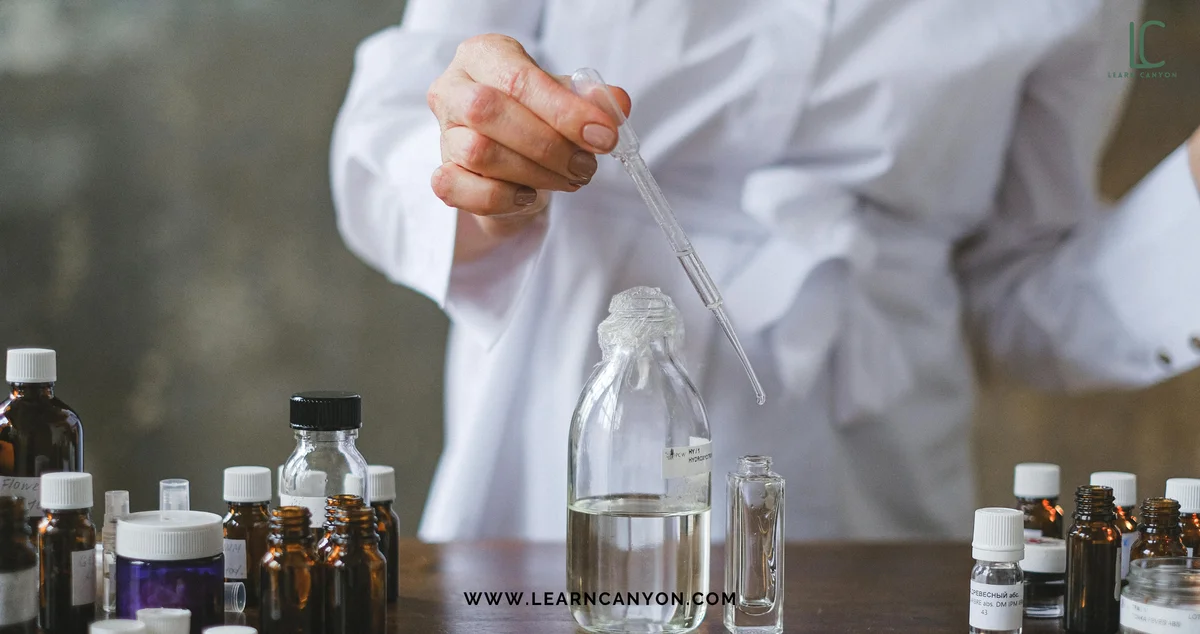
9. Assuming a Product Is Successful Because It Looks Good
Let’s say you’ve finally made a cream you’re proud of.
The texture is smooth. The colour looks perfect. It spreads beautifully and feels wonderful on your skin.
You might be tempted to believe that you’ve successfully developed your formulation.
But here’s an important question.
What happens to that cream after a month?
Will it maintain its viscosity? Will the emulsion remain stable? Could the colour, odour, or texture change during storage?
And is the preservation system suitable?
These are questions that cannot be answered simply by examining a freshly manufactured sample.
Understanding Why Cosmetic Stability Testing Matters
Cosmetic products can experience physical, chemical, or microbiological changes over time.
An emulsion may separate. A balm might develop an undesirable grainy texture. An oil-based formulation may undergo oxidation, while some products may experience changes in pH, colour, or viscosity.
Professional formulation development involves evaluating these possibilities using appropriate testing procedures.
Depending on the product, this may include stability studies under different storage conditions, microbiological quality testing, preservative efficacy testing, packaging compatibility, and other evaluations.
A Successful Laboratory Trial Isn’t the Same as a Market-Ready Product
This distinction becomes especially important if you’re planning to sell cosmetics.
A promising experimental sample hasn’t necessarily demonstrated that it’s safe, stable, compliant, or suitable for commercial manufacturing.
Before launching a product, you need to address the testing, safety substantiation, documentation, labelling, and regulatory requirements relevant to your market.
The purpose of testing isn’t simply to confirm that a product looks beautiful.
10. Changing Too Many Things at Once and Not Recording Your Experiments
Imagine you’ve made a moisturiser, but it feels too greasy.
So you reduce the oil phase, increase the water content, change the emulsifier, add a thickener, and adjust the manufacturing temperature.
The next batch feels much better.
But which change actually made the difference?
Was it the lower oil content? The different emulsifier? The thickener? Or the processing conditions?
You don’t really know.
And that makes it difficult to repeat the improvement confidently.
Learn to Troubleshoot Formulations Systematically
One of the most valuable habits you can develop is changing variables in a controlled, scientifically justified way.
When practical, investigate one relevant variable at a time while keeping other conditions consistent.
For example, if you’re studying how a particular thickener influences viscosity, avoid changing several unrelated ingredients during the same trial.
Sometimes formulation variables are interdependent, so more than one change may be necessary. In those situations, use a structured experimental plan rather than making random adjustments.
The goal is to understand the relationship between your changes and the results.
Keep a Formulation Journal From Your First Batch
Every time you manufacture a sample, document the important details.
This should include ingredient identities, percentages, batch quantities, raw material information, processing steps, temperatures, and observations.
Record the pH where applicable, identify each batch clearly, and document any changes made between versions.
Your records should help you understand what was manufactured, how it was made, and what happened during subsequent evaluation.
Over time, these observations become extremely valuable.
They help you recognise formulation patterns, investigate failures, and improve reproducibility.
A failed batch can teach you something useful. But without proper documentation, you may struggle to understand what it taught you.
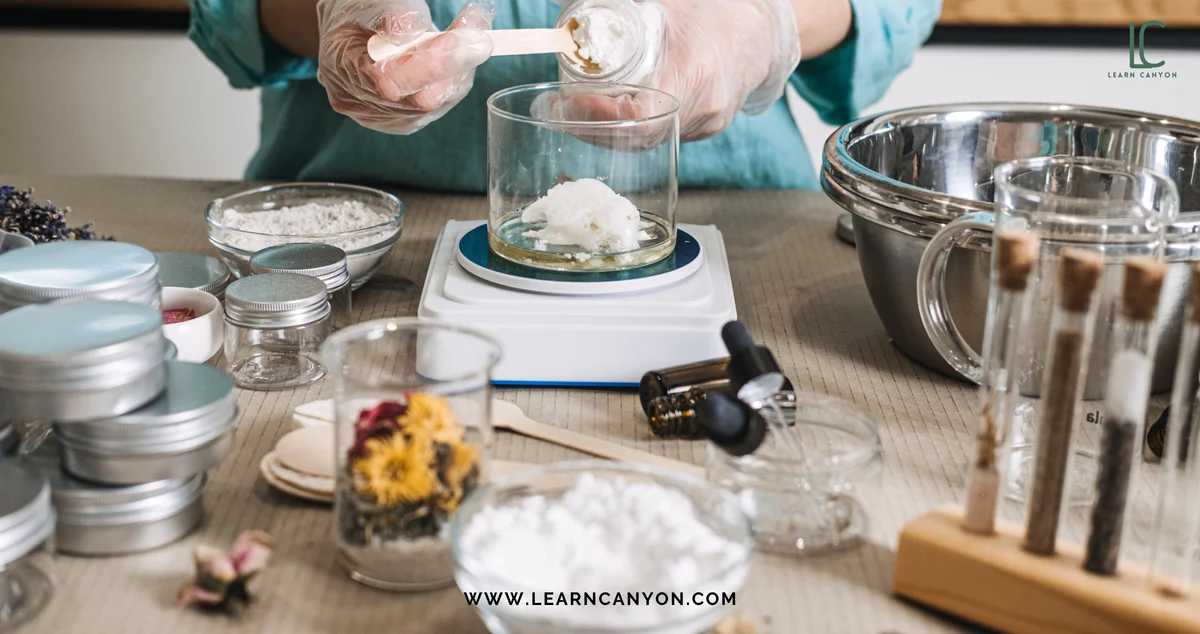
How to Become More Confident in Cosmetic Formulation
By now, you might be thinking that cosmetic formulation involves quite a lot more than you initially expected.
And that’s true.
There’s ingredient science, cosmetic chemistry, formulation mathematics, manufacturing, preservation, stability, and documentation.
But you don’t need to master everything immediately.
The key is to develop your knowledge gradually and practise with a clear purpose.
- Start by learning the functions of common cosmetic ingredients.
- Become comfortable with percentages and formulation calculations.
- Study basic formulation systems, including anhydrous products, emulsions, and cleansing systems.
- Understand the importance of preservation, pH, compatibility, and appropriate testing.
And most importantly, don’t treat formulation failures as reasons to abandon your learning.
Use them as opportunities to identify what you still need to understand.

Learn Professional Cosmetic Formulation With Learn Canyon
One of the reasons beginners struggle is that they’re often learning from disconnected information.
A recipe from one website, an ingredient recommendation from another, and a short tutorial showing how to make a cream.
While these resources can introduce useful concepts, they don’t always explain how everything fits together.
At Learn Canyon, we believe cosmetic formulation education should go beyond teaching learners to recreate products.
Our professional formulation courses focus on developing ingredient knowledge, cosmetic chemistry, formulation principles, practical manufacturing understanding, and the technical considerations involved in skincare and haircare product development.
Whether you’re completely new to cosmetic formulation or working towards developing your own brand, building a strong scientific foundation can help you approach your experiments with greater clarity.
Because the goal isn’t to make hundreds of products without understanding them.
It’s to develop the knowledge to understand what you’re creating, why it works, and how to evaluate it properly.
Common Questions About Beginner Formulation Mistakes
Do natural skincare products need preservatives?
Water-containing cosmetic products can support the growth of bacteria, yeasts, and moulds, and natural ingredients aren’t automatically protected against microbial contamination. A product can look and smell normal while still having microbiological problems.
Is vitamin E a preservative in cosmetics?
No. Vitamin E, commonly included as Tocopherol, is primarily used for its antioxidant properties. It can help limit certain oxidation reactions, but it doesn’t replace an appropriate antimicrobial preservation system in a susceptible water-containing formulation.
Can I substitute one emulsifier for another at the same percentage?
Not automatically. Two emulsifiers can differ in chemical structure, composition, processing requirements, and suitability for different emulsion systems. Before substituting an ingredient, review its recommended usage, solubility, processing conditions, compatibility, and intended function.
Why should beginners keep a formulation journal?
Recording ingredient identities, percentages, batch quantities, processing steps, temperatures, pH where applicable, and observations helps you recognise formulation patterns, investigate failures, and improve reproducibility.
Final Thoughts: Better Formulations Begin With Better Understanding
If your first moisturiser separated or your body butter didn’t turn out as expected, don’t assume you’re incapable of learning cosmetic formulation.
Nearly every formulator encounters technical challenges during product development.
The important thing is how you approach them.
Instead of immediately adding another ingredient, investigate the possible cause.
Instead of assuming a product is stable because it looks good, understand what needs to be tested.
And instead of collecting more recipes, spend time learning the science behind the ingredients and formulation systems you’re working with.
Start with simple, appropriate projects. Learn your ingredients. Document your experiments. Take formulation safety seriously.
Over time, you’ll begin to see cosmetic products differently.
You’ll understand why certain ingredients are included, how processing affects the finished product, and what it takes to develop formulations more professionally.
And that’s when formulation starts becoming more than simply following instructions.
It becomes a skill built on scientific knowledge, practical experience, and continuous learning.
Ready to Develop Your Cosmetic Formulation Skills?
If you’re passionate about skincare, haircare, or cosmetic product development and want to move beyond trial-and-error learning, explore the professional educational programmes available at Learn Canyon.
Explore Professional Cosmetic Formulation Courses at Learn Canyon
Because every successful formulation begins with something more important than a list of ingredients: an understanding of the science behind them.
Keep learning: Related reading: How to Develop a Beauty Product That Customers Actually Want to Buy · Must-Know Skills for Beginner Cosmetic Formulators. Want to learn this properly? Explore our Free 4-Day Beginner Formulator Experience.